
Have you ever opened your downloads folder only to be shocked by its size? You’re not alone. Many laptop users grapple with oversized downloads folders, leading to confusion and potential storage issues. As a seasoned tech expert, I’ve seen how easily files accumulate, often without users realizing it. In this article, we will explore the common reasons why your laptop’s downloads folder may be so large, practical tips for managing it, and strategies for efficient file organization. By the end, you’ll have the knowledge to tackle your downloads folder and reclaim valuable storage space.
Understanding the Downloads Folder
The Downloads folder on a laptop is typically where files obtained from the internet are stored. Over time, this folder can grow significantly in size due to various factors. Understanding what types of files accumulate here is essential in managing your storage effectively. Common file types include documents, images, videos, and installers. Each of these can take up substantial space, especially if large files are frequently downloaded. Regular monitoring and organization can help mitigate excessive growth and keep your files manageable.
Common File Types
The Downloads folder often contains a variety of file types, such as PDFs, ZIP files, images, and software installers. Each of these can vary in size, with videos and software installers often being the largest. Understanding the types of files you download can help prioritize which ones to delete or move to free up space.
Automatic Downloads
Many applications and web browsers automatically download files to the Downloads folder without user intervention. This can include updates, media files, or temporary files from web pages. If not regularly cleared, these automatic downloads can lead to a bloated folder, contributing to storage issues.
Key Points:
- The Downloads folder accumulates various file types over time
- Automatic downloads can significantly add to folder size
Impact of Large Downloads Folder
A large Downloads folder can have several impacts on your laptop’s performance and usability. It can slow down file search processes, create clutter, and make it challenging to find important files. Additionally, if the Downloads folder consumes too much disk space, it can lead to performance degradation across applications and the operating system. Regular cleaning and organization of this folder are crucial to maintaining optimal laptop functionality and ensuring easy access to necessary files.
Performance Issues
When the Downloads folder becomes excessively large, it can slow down file navigation and system performance. This is particularly noticeable when searching for files or when multiple applications attempt to access the folder simultaneously. Maintaining a lean Downloads folder can help enhance overall system responsiveness.
File Organization Challenges
A cluttered Downloads folder makes it difficult to locate important files quickly. This disorganization can lead to wasted time and frustration. Implementing a file management strategy, such as creating subfolders or regularly deleting unnecessary files, can streamline access and improve productivity.
Key Points:
- Large Downloads folders can hinder laptop performance
- Regular organization prevents file retrieval issues
Understanding the Size of Your Downloads Folder
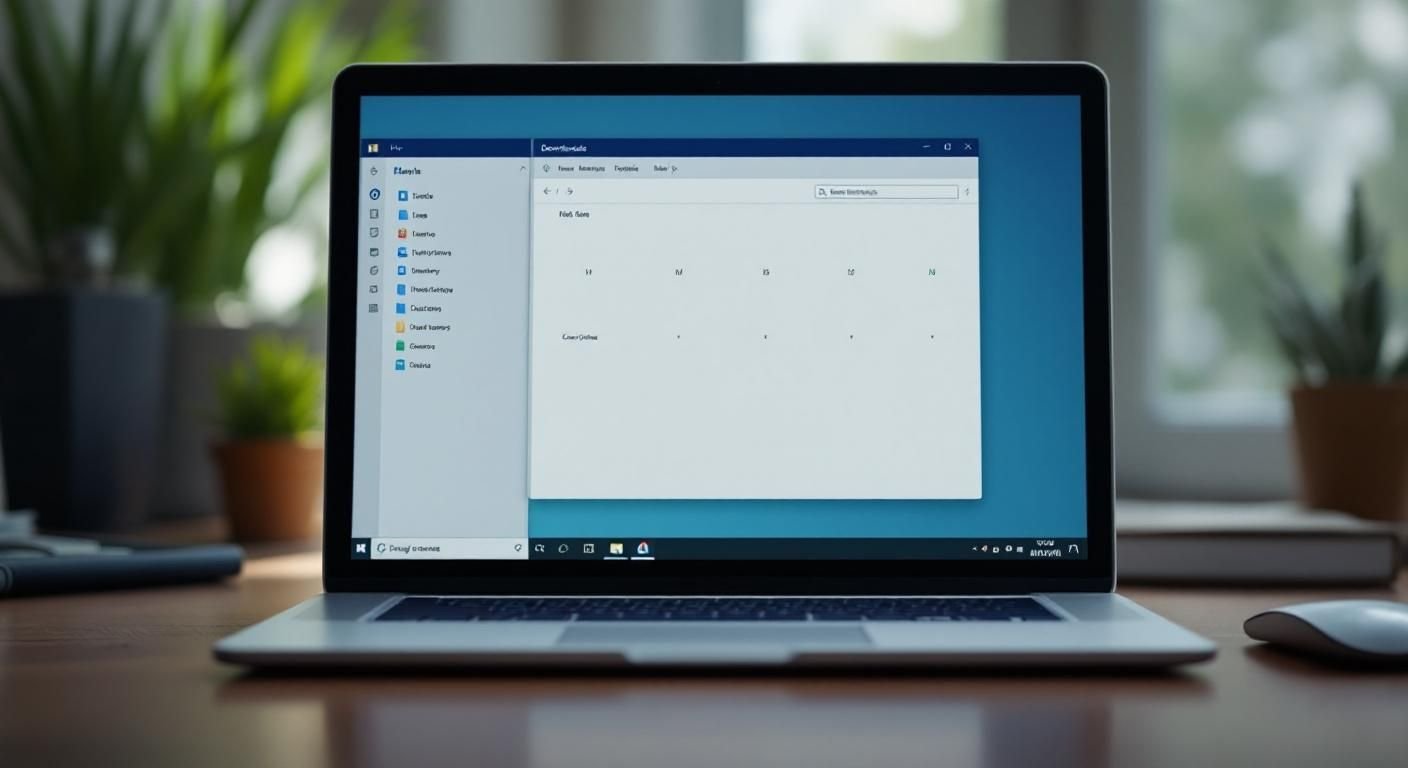
The Downloads folder can accumulate a significant amount of data over time, leading to its large size. This folder typically stores files downloaded from the internet, including documents, images, videos, and installations. Frequent downloads without organized management can quickly inflate the folder’s size. Regularly checking and cleaning out this folder is essential to maintain optimal performance and storage space on your laptop. Understanding what types of files are downloaded most frequently can help you manage storage more effectively.
Common File Types in Downloads
The Downloads folder often contains various file types, including PDFs, ZIP files, images, and software installers. Recognizing these can help prioritize which files to keep and which to delete. For instance, installation files are often no longer needed after the software is installed, while PDFs may be worth storing for future reference.
Impact of Automatic Downloads
Many applications and web browsers have settings that automatically download files, leading to an uncontrolled increase in folder size. Check your browser’s settings and application preferences to manage automatic downloads. This can help limit the accumulation of unnecessary files and reduce clutter.
Key Points:
- Frequent downloads without management lead to a large Downloads folder.
- Automatic downloads can significantly increase folder size.
💡 Regularly review your Downloads folder to identify and delete files you no longer need. This prevents storage issues and keeps your laptop running smoothly.
💡 Organize files into subfolders based on categories such as ‘Images,’ ‘Documents,’ or ‘Software’ to make future retrieval easier and maintain order.
Strategies for Managing a Large Downloads Folder
To effectively manage your Downloads folder, consider implementing systematic strategies that help keep file sizes in check. Establishing a routine for file organization and cleanup can prevent the folder from becoming overwhelming. Additionally, utilizing cloud storage solutions for important files can help free up space on your laptop while keeping essential documents accessible.
Setting Up a Cleanup Schedule
Establish a regular schedule for cleaning your Downloads folder, such as weekly or monthly. This habit ensures that you consistently review and remove files that are no longer necessary, preventing clutter from building up. You can create reminders on your calendar to help maintain this routine.
Using Cloud Storage Solutions
Storing important files in cloud storage instead of keeping them on your laptop can significantly free up space. This approach not only reduces the size of your Downloads folder but also provides backup for important documents. Many cloud services offer easy access from any device, ensuring you can retrieve files when needed.
Key Points:
- Regular cleanup prevents overwhelming accumulation of files.
- Using cloud storage can alleviate space issues on your local device.
💡 Consider using file compression techniques to reduce the size of large files before downloading, helping to manage space more effectively.
💡 Use search functions to quickly locate and delete large files within the Downloads folder, streamlining the cleanup process.
EXPERT TIPS Pro Advice
Utilize file categorization techniques.
Organizing files into categories reduces clutter and makes it easier to locate important documents when needed.
Review download settings in your browser.
Adjusting settings can prevent unnecessary automatic downloads, helping to manage the size of your Downloads folder efficiently.
Consider file version control.
Keep only the latest version of files to prevent duplicates and unnecessary accumulation in your Downloads folder.
Leverage external storage devices.
Using USB drives or external hard drives for large files can help offload storage from your laptop while keeping files accessible.
Regularly empty your Recycle Bin.
Files deleted from your Downloads folder may still occupy space if not removed from the Recycle Bin, impacting overall storage.
Frequently Asked Questions
Conclusion
Managing the size of your laptop’s downloads folder is essential for optimal performance. By regularly reviewing and organizing files, you can prevent clutter and ensure easy access to important documents. Staying proactive about file management will enhance your overall computing experience.
🎯 Key Takeaways:
- Regularly clean your downloads folder to prevent clutter.
- Organize files into subfolders for easy access.
- Remove duplicate files to save space.
- Schedule monthly reviews of your downloads folder.
Expert Advice: Prioritize file management to maintain an organized system. Establish a routine for checking your downloads folder, and implement strategies to keep it clutter-free for better performance and efficiency.
Take a moment today to clean and organize your downloads folder for a smoother laptop experience.





Leave a Reply