Have you ever noticed that some drives seem to run hotter than others? This common issue can lead to performance problems and even drive failure if not addressed. Understanding why some drives heat up more than others is crucial for maintaining optimal performance and longevity. In this article, we will explore the primary factors that contribute to drive heating, including design differences, usage patterns, and environmental influences. With over 15 years of experience in data storage solutions, we will provide you with expert insights into effective heat management strategies. By the end of this article, you’ll not only know why some drives heat up more than others but also how to mitigate the risks associated with overheating.
Understanding Drive Heat Generation
The generation of heat in drives, whether they are HDDs or SSDs, is influenced by several factors. When data is read or written, electrical currents flow through the components, leading to energy dissipation in the form of heat. The design, materials, and technology used in the drive heavily dictate how much heat is generated during operation. Additionally, environmental factors such as airflow and ambient temperature can exacerbate or mitigate this heat generation. Understanding these factors is crucial to effectively manage drive temperatures and ensure longevity.
Electrical Resistance and Heat
Every electronic component has some level of electrical resistance, which converts electrical energy into heat. Drives with higher resistance tend to produce more heat, especially during intensive read/write operations. This resistance is influenced by the material properties and design of the components, making it essential to consider when evaluating why some drives heat up more than others.
Drive Technology and Heat Production
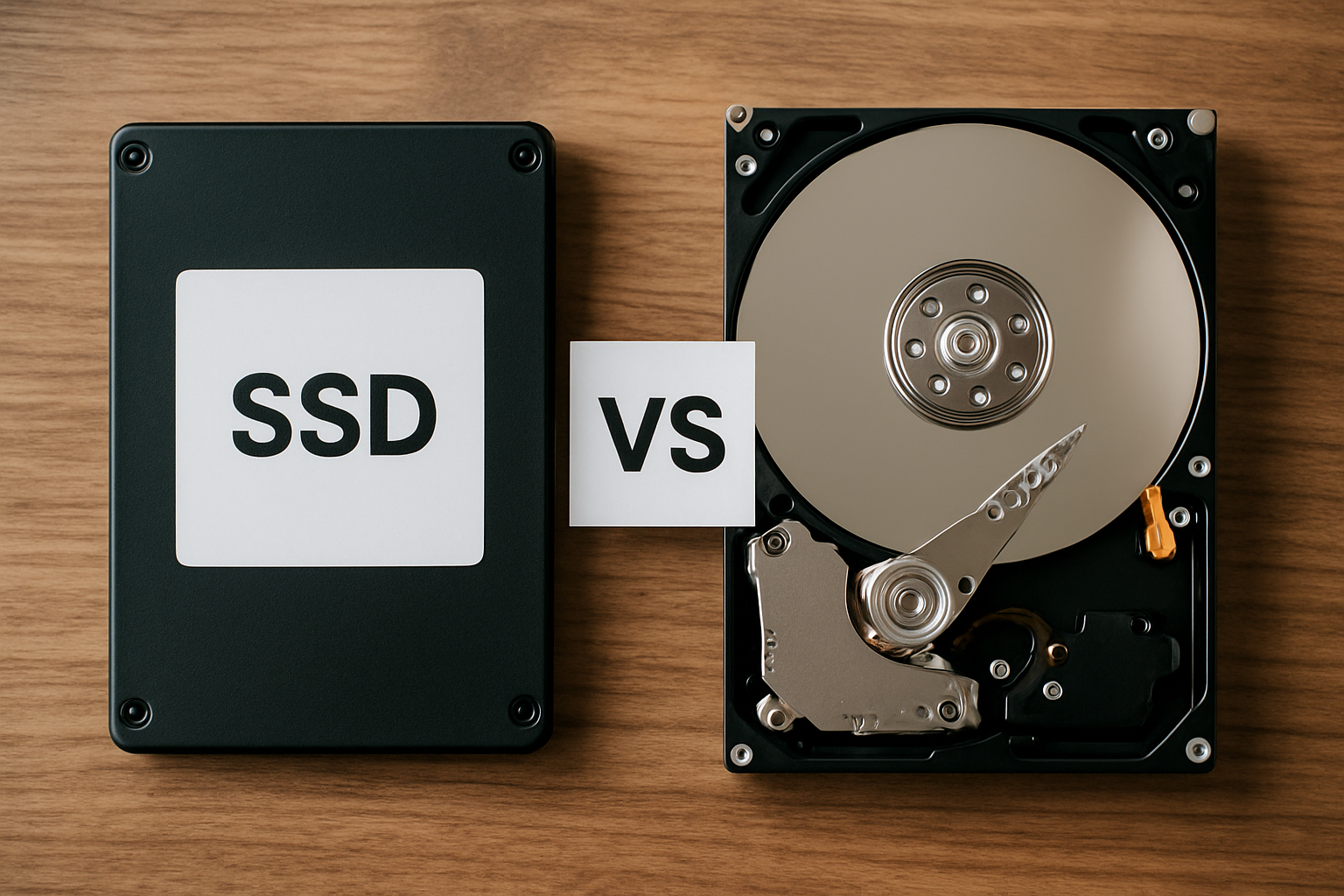
The type of drive technology—HDD or SSD—also plays a significant role in heat generation. HDDs utilize spinning disks and moving read/write heads, leading to mechanical friction and heat. In contrast, SSDs, which rely on flash memory, generate less heat due to the absence of moving parts. Understanding these differences is key to predicting heat levels in various drive types.
Impact of Workload on Temperature
The workload placed on a drive significantly affects its temperature. Intensive tasks, such as video editing or large database queries, can cause drives to heat up more than lighter tasks like document editing. Monitoring workloads can help in managing drive temperatures, ensuring they remain within safe operational limits.
Key Points:
- Heat generation is inherent in drive operation
- Drive type significantly influences heat levels
Factors Influencing Drive Cooling
Effective cooling is critical to maintaining optimal drive temperatures. Various factors influence how drives dissipate heat, including airflow, enclosure design, and ambient temperature. Good ventilation and heat sinks can significantly improve heat dissipation, while poor airflow can lead to overheating and potential drive failure. Understanding these factors helps in creating an environment that supports drive longevity and performance.
Airflow and Ventilation
Airflow is essential for cooling electronic components, including drives. Enclosures with good ventilation allow heat to escape efficiently, reducing the risk of overheating. Ensuring that drives are not obstructed by dust or poorly designed enclosures can significantly enhance cooling and prolong drive lifespan.
Ambient Temperature Considerations
The temperature of the environment where drives operate also affects their heat levels. High ambient temperatures can reduce the effectiveness of cooling mechanisms, leading to elevated drive temperatures. Maintaining a controlled environment can help mitigate this risk, ensuring drives operate within safe temperature ranges.
Use of Heat Sinks and Cooling Solutions
Incorporating heat sinks or dedicated cooling solutions can further assist in managing drive temperatures. These components increase the surface area for heat dissipation, helping to lower the overall temperature of the drive. Implementing these solutions can be particularly beneficial in high-performance or densely packed systems.
Key Points:
- Effective cooling extends drive lifespan
- Ambient conditions play a crucial role in heat management
Understanding Drive Components and Their Heat Generation
Different types of drives, such as HDDs and SSDs, have varying components that generate heat. Hard Disk Drives (HDDs) contain spinning disks and moving read/write heads, which create friction and resistance. In contrast, Solid State Drives (SSDs) use flash memory with no moving parts, leading to less heat generation. However, SSDs can still heat up significantly during intensive operations due to their high-speed data processing capabilities. Understanding these differences is crucial for effective thermal management in computing environments.
Mechanical vs. Solid State Drives
Mechanical drives, like HDDs, generate heat from the mechanical movement of parts. This heat can lead to thermal throttling if not managed properly. SSDs, while faster and more efficient, can also heat up under heavy workloads, necessitating proper cooling solutions to maintain performance.
Factors Influencing Heat Generation
Heat generation in drives can be influenced by factors such as workload intensity, ambient temperature, and airflow within the system. Higher workloads, particularly during data-intensive tasks, increase heat output, while inadequate cooling can exacerbate the issue.
Key Points:
- HDDs generate more heat due to mechanical parts.
- SSDs can heat up significantly during high workloads.
💡 Ensure proper airflow in your system to effectively dissipate heat from drives.
💡 Consider using thermal pads or heatsinks for drives that tend to heat up excessively.
💡 Monitor drive temperatures regularly to identify potential cooling issues early.
Thermal Management Strategies for Drives
Effective thermal management is essential to prolong the lifespan and performance of drives. Implementing strategies such as active cooling, proper placement within the system, and utilizing heat-resistant materials can significantly mitigate heat issues. Ensuring that drives operate within their optimal temperature range can prevent thermal throttling and potential data loss.
Active vs. Passive Cooling Solutions
Active cooling solutions, like fans or liquid cooling systems, provide direct airflow and can significantly reduce drive temperatures. Passive cooling methods, such as heat sinks or heat spreaders, rely on material properties to dissipate heat without the need for additional energy, making them effective for less intensive applications.
Drive Placement and System Design
The placement of drives within a system can greatly influence their temperature. Drives should be positioned to maximize airflow and minimize heat buildup from adjacent components. Additionally, designing systems with adequate ventilation pathways helps maintain optimal operating temperatures for all hardware.
Key Points:
- Active cooling is more effective but may require more power.
- Proper placement can significantly reduce thermal issues.
💡 Implement active cooling systems for high-performance environments to keep temperatures down.
💡 Optimize the layout within your PC case to ensure proper airflow around drives.
💡 Utilize drive monitoring software to track temperature changes and adjust cooling strategies accordingly.
EXPERT TIPS Pro Advice
Regularly clean dust from your system.
Dust accumulation can obstruct airflow and trap heat, leading to increased drive temperatures. Regular cleaning ensures optimal cooling performance.
Use thermal monitoring tools.
Monitoring drive temperatures can help you catch overheating issues early, allowing for timely interventions to prevent damage.
Choose drives with better thermal specifications.
Understanding the thermal limits of different drive types can inform your choices, especially for high-performance applications.
Implement redundancy in cooling.
Using multiple cooling methods (active and passive) can create a more robust thermal management system, ensuring drives remain within safe temperature ranges.
Consider drive enclosures with built-in cooling.
Enclosures designed for optimal heat dissipation can enhance drive longevity and performance, especially in environments prone to high temperatures.
Frequently Asked Questions
Conclusion
Understanding why some drives heat up more than others is essential for maintaining performance and longevity. Factors such as drive type, workload, and environmental conditions all play a role. Taking preventive measures can help keep drives functioning optimally.
🎯 Key Takeaways:
- Drive type affects heat generation significantly.
- Overheating can lead to data loss and reduced lifespan.
- Proper airflow and cooling solutions are essential.
- Regular monitoring helps identify potential overheating issues.
Expert Advice: Stay proactive about drive maintenance by regularly checking temperatures and ensuring proper ventilation, which will help extend the life of your drives and protect your data.
Consider implementing these practices today to keep your drives cooler and more reliable.





Leave a Reply