
Have you ever wondered, ‘Does always on display drain battery on phones?’ If you’re a smartphone user, this question likely crosses your mind as you seek to maximize battery life. With many modern devices equipped with an always-on display feature, understanding its impact on battery consumption is crucial. As a senior SEO content strategist with over 15 years of experience, I’ve researched this topic extensively to provide you with authoritative insights. In this article, you will learn how always-on display works, the factors influencing battery drain, and practical tips to optimize your phone’s battery performance while enjoying this convenient feature.
Understanding Always-On Display Technology
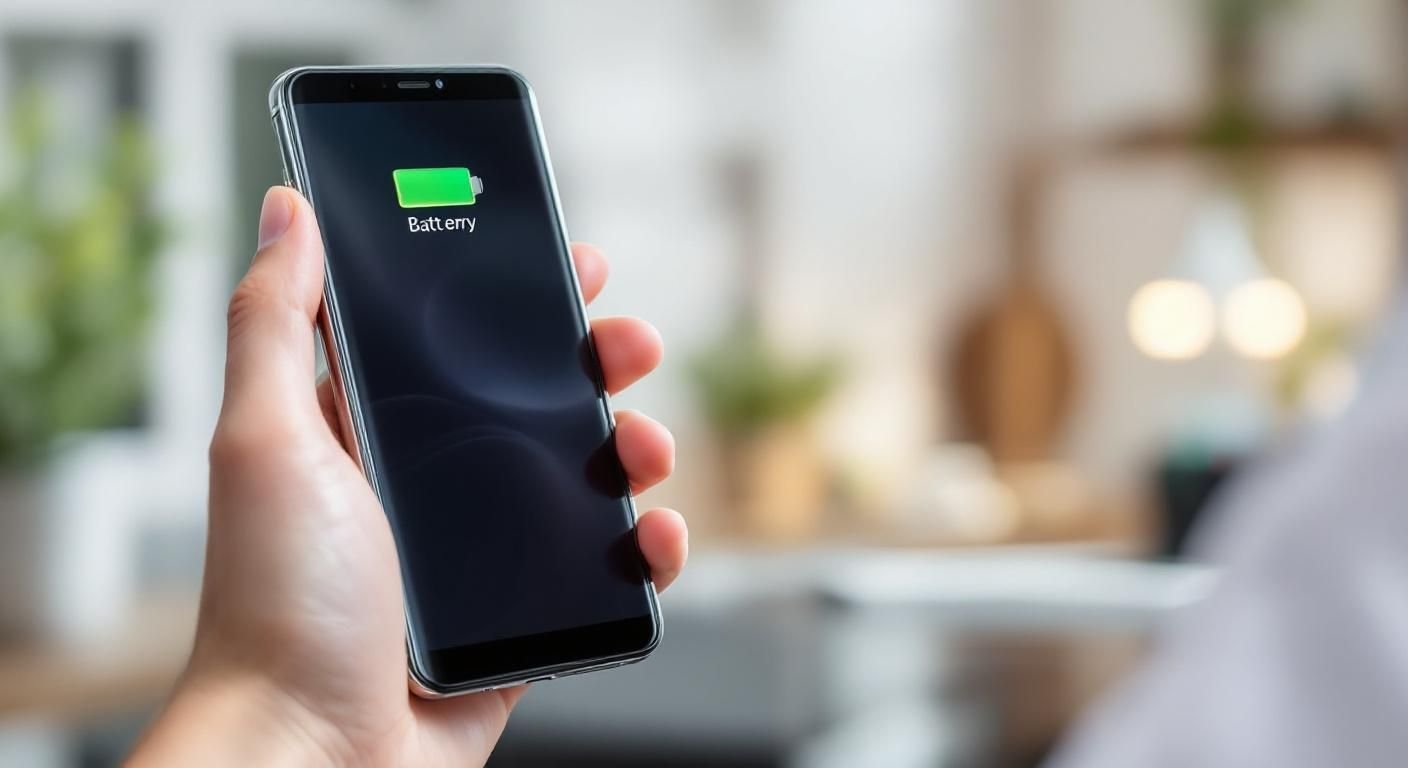
Always-On Display (AOD) technology allows smartphones to show information such as time, notifications, and battery status while the device is in sleep mode. This feature is designed to provide quick access to essential information without fully waking the phone. AOD utilizes low-power display technology, such as OLED or AMOLED, which can light up individual pixels instead of the entire screen. This efficiency helps reduce battery consumption compared to traditional displays. However, users often wonder about the trade-off between convenience and battery life.
How AOD Works
AOD works by selectively illuminating pixels to display necessary information. Unlike LCD screens that require backlighting for the entire display, OLED panels can turn off unused pixels, resulting in lower energy consumption. This selective lighting allows users to glance at their phones without needing to unlock or wake the device fully.
Benefits of Always-On Display
The primary benefit of AOD is its convenience. Users can check the time and notifications without unlocking their phones, which can save time and improve productivity. Additionally, AOD can enhance the user experience by providing quick access to information at a glance, making it particularly useful for busy individuals.
Common Misconceptions
One common misconception is that AOD significantly drains battery life. While it does use some power, the impact varies by usage and device settings. Many users find that the convenience outweighs the minimal battery consumption, especially when compared to the benefits of having quick access to vital information.
Key Points:
- Always-On Display uses low-power technology to show essential information
- AOD provides convenience without significantly draining battery life
Battery Impact of Always-On Display
The impact of Always-On Display on battery life is a topic of interest for smartphone users. While AOD does consume battery, the extent of this drain is influenced by various factors, including the display type, brightness settings, and how often notifications are displayed. OLED screens, typical in AOD implementations, are more efficient for this purpose, as they can turn off individual pixels, conserving energy. To understand the overall effect of AOD on battery life, it’s crucial to assess these factors collectively.
Factors Influencing Battery Drain
Several factors influence how much battery AOD consumes. These include the screen’s brightness level, the frequency of notifications received, and the specific settings configured for AOD. Users can mitigate battery drain by adjusting these settings, such as lowering brightness or limiting notifications displayed.
Comparative Battery Usage
Comparing AOD with other features can provide insight into its battery impact. For instance, using AOD consumes less power than keeping the screen fully active or frequently checking the device. Most users experience minimal battery drain with AOD compared to regular usage patterns, making it a favorable option.
Tips for Optimizing Battery Life with AOD
To optimize battery life while using AOD, users can adjust settings such as reducing the brightness of the display or limiting the information shown. Turning off AOD during periods of inactivity can also help conserve battery. These adjustments enable users to enjoy the benefits of AOD while minimizing power consumption.
Key Points:
- AOD’s battery impact depends on settings and usage
- OLED technology allows for efficient power consumption with AOD
Understanding Always-On Display Technology
Always-On Display (AOD) technology allows users to view essential information like time, date, and notifications without fully waking their phone. This feature relies on low-power display technology to minimize battery usage. However, the extent to which AOD drains battery can vary based on several factors, including the screen type, refresh rate, and the amount of information displayed. Understanding these nuances can help users make informed decisions about using AOD effectively.
Screen Type Impact
The type of screen significantly impacts battery consumption. OLED screens, commonly used in modern smartphones, can turn off pixels completely to display black, which conserves battery. Conversely, LCDs require the entire backlight to remain on, leading to higher battery drain when using AOD.
Refresh Rate Considerations
The refresh rate of the display also plays a role in battery consumption. AOD features with higher refresh rates consume more power. Most AOD implementations use a low refresh rate to display static information, which helps reduce battery drain while maintaining visibility.
Information Displayed
The amount and type of information shown on the AOD can affect battery life. Simple displays showing just time and date consume less power than those displaying notifications, images, or animations. Users can optimize their AOD by limiting the displayed content.
Key Points:
- AOD technology can drain battery differently based on screen type and refresh rate.
- Limiting displayed information can help optimize battery usage.
💡 Consider using AOD sparingly to prolong battery life, especially if you notice significant drain.
💡 Adjust the AOD settings to show only essential information, reducing battery consumption.
💡 Utilize dark themes to save battery if your phone uses an OLED display, as black pixels are turned off.
Maximizing Battery Life with Always-On Display
To maximize battery life while using Always-On Display, users can employ several strategies. These methods include adjusting settings, utilizing power-saving modes, and understanding the environmental factors that may affect battery drain. By implementing these strategies, users can enjoy the convenience of AOD without significantly impacting their phone’s battery life.
Adjusting Display Settings
Tweaking the display settings can lead to better battery performance. Users can limit AOD to specific hours or disable it during low-power states. This ensures that AOD is only active when it’s most needed, thereby conserving battery when the device is not in use.
Enabling Power-Saving Modes
Many smartphones have built-in power-saving modes that adjust various settings, including AOD functionality. Enabling these modes can automatically reduce AOD’s impact on battery life by lowering screen brightness and limiting background activity.
Environmental Factors
Environmental factors like temperature can also influence battery life. Extreme temperatures can cause battery drain, so keeping the device in moderate conditions is essential. Additionally, using AOD in bright sunlight may lead to increased power consumption due to the need for higher brightness.
Key Points:
- Optimizing settings and using power-saving modes can enhance battery longevity.
- Environmental conditions significantly affect battery performance while using AOD.
💡 Limit AOD usage to critical times, optimizing battery without sacrificing access to information.
💡 Activate power-saving modes during long outings to extend battery life while using AOD.
💡 Keep your phone in moderate temperatures to prevent unnecessary battery drain.
EXPERT TIPS Pro Advice
Monitor Battery Usage
Regularly check battery usage statistics to identify how much AOD contributes to battery drain and adjust settings accordingly.
Utilize Time-Based AOD
Setting AOD to activate only during specific times can conserve battery life, particularly during periods when you do not need constant notifications.
Experiment with Display Options
Try different AOD configurations, such as color options and brightness levels, to find the best balance between visibility and battery efficiency.
Regular Software Updates
Keeping your device updated can ensure you benefit from the latest optimizations for battery management, including improvements related to AOD functionality.
Educate Yourself on Battery Health
Understanding battery health and management can help you make informed decisions about using features like AOD without compromising battery longevity.
Frequently Asked Questions
Conclusion
Always on display (AOD) features can slightly drain battery life, but modern technology minimizes this impact. Understanding how AOD works and adjusting its settings can help optimize battery performance. Being mindful of usage patterns can further enhance your phone’s longevity.
🎯 Key Takeaways:
- AOD drains about 1-2% battery per hour.
- It uses minimal power by illuminating only necessary pixels.
- Adjusting brightness and settings can reduce battery usage.
- AOD enhances convenience for quick information access.
- Usage patterns influence overall battery consumption.
Expert Advice: Consider your device usage and needs when deciding to enable always on display. Experiment with settings to find a balance between convenience and battery life that works for you.
Evaluate your phone habits and explore AOD settings to optimize your device’s performance and battery life.




Leave a Reply