Are you struggling to create the perfect atmosphere in your home or workspace? The difference between scene and routine in lighting can significantly influence the mood and functionality of any environment. As an expert in lighting design, I can guide you through these concepts to enhance your space efficiently. In this article, you will learn the fundamental distinctions between lighting scenes and routines, their respective benefits, and practical applications to optimize your lighting experience. Whether you’re a homeowner looking to improve your living space or a professional aiming for effective lighting control, understanding these differences is essential for achieving the right ambiance and energy efficiency.
Understanding Lighting Basics
Lighting plays a crucial role in setting the mood and functionality of a space. It can be categorized into two primary types: scenes and routines. Understanding the difference between scene and routine in lighting is essential for effective design. A ‘scene’ refers to a specific lighting setup tailored for a particular activity or ambiance, often involving multiple light sources and adjustments. In contrast, a ‘routine’ is a consistent lighting pattern applied in daily use, typically designed for practicality and efficiency. Recognizing these distinctions allows for better control over the lighting experience in various environments.
Defining Scenes in Lighting
Scenes are custom lighting arrangements created to enhance specific activities or moments. For example, a dinner scene may combine soft, warm lights with accent lighting for the table. Scenes can involve dimming, color changes, and varying intensities. They are usually programmable, allowing users to switch between different settings depending on the time of day or event, thus creating a tailored ambiance.
Defining Routines in Lighting
Routines refer to standard lighting configurations used regularly, such as in offices or homes during typical hours. These setups prioritize functionality over aesthetics, providing adequate illumination for everyday tasks. Routines are often designed for minimal adjustments, ensuring a consistent lighting level that supports productivity and comfort throughout the day.
Key Points:
- Scenes enhance specific experiences with customized lighting
- Routines provide consistent lighting for everyday tasks
Applications of Scene and Routine Lighting
Understanding the applications of scene and routine lighting can significantly enhance the effectiveness of any lighting strategy. Scenes are commonly used in entertainment venues, restaurants, and homes to create memorable experiences. They allow for flexibility and creativity, adapting to various social settings. Routines, on the other hand, are prevalent in workplaces and typical residential environments, where consistent lighting is essential for productivity and comfort. Knowing when to apply each type can optimize the use of lighting in any space.
When to Use Scene Lighting
Scene lighting is ideal for events such as parties, presentations, or intimate dinners. It is also effective in retail environments where mood can influence customer behavior. By creating specific scenes, you can evoke emotions, guide attention, and enhance the overall experience, making it a valuable tool for various applications.
When to Use Routine Lighting
Routine lighting is best suited for environments requiring stability and efficiency, such as offices, classrooms, and kitchens. This type of lighting ensures that spaces are adequately illuminated for day-to-day functions without the need for frequent adjustments. Establishing a reliable routine helps maintain focus and productivity, making it a practical choice for everyday living.
Key Points:
- Scene lighting is crucial for creating memorable experiences
- Routine lighting ensures efficiency and comfort in daily tasks
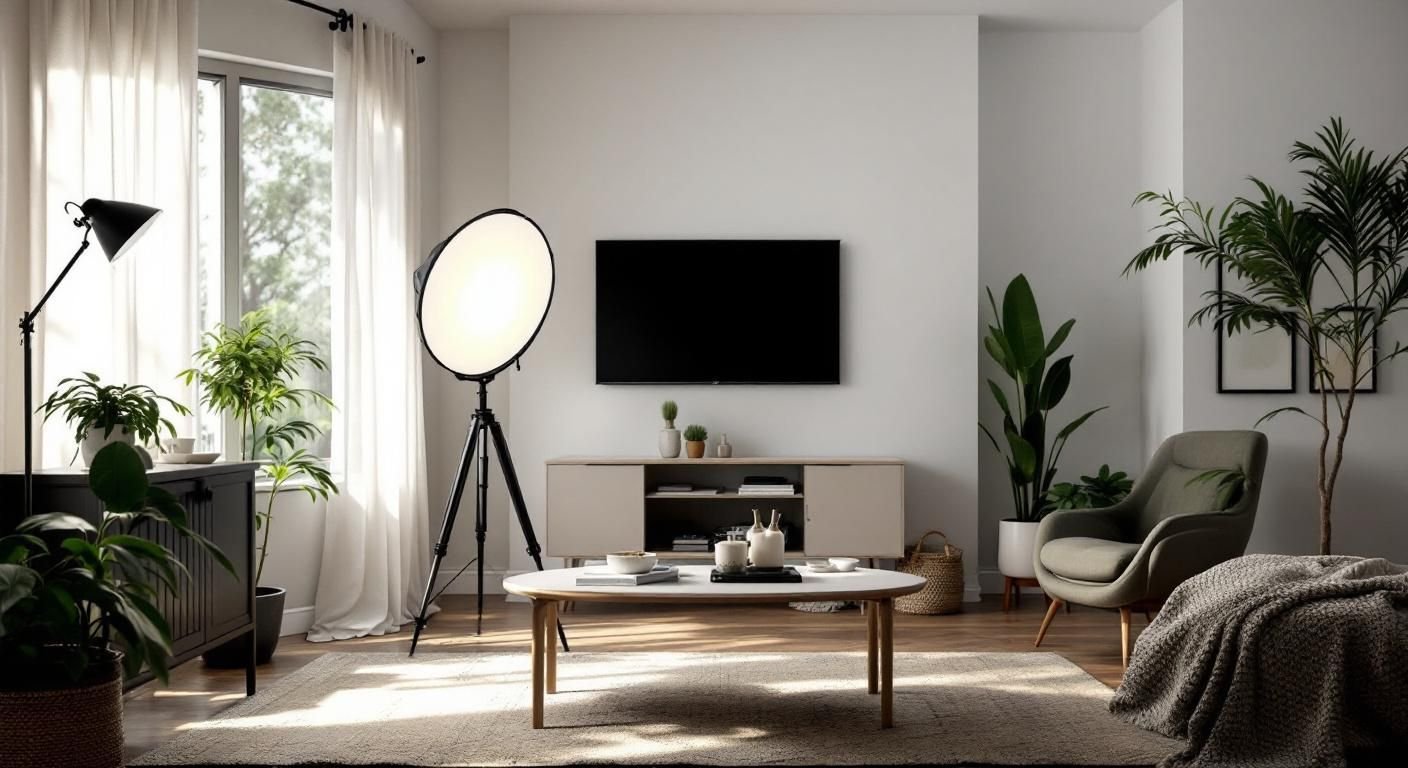
Understanding Scenes in Lighting Design
Scenes in lighting design refer to specific configurations of light that are tailored to create a particular ambiance or mood for an event or space. These can vary greatly depending on the occasion, such as a formal dinner, a casual gathering, or a theatrical performance. Each scene can encompass various elements, including intensity, color temperature, and direction of light, all carefully adjusted to enhance the setting and improve visual comfort. The goal of a scene is to evoke an emotional response or to highlight specific aspects of the environment or performance.
Creating Effective Lighting Scenes
To create an effective lighting scene, start by considering the purpose of the space and the emotions you wish to evoke. Use dimmers to adjust brightness and layer different types of lighting, such as ambient, task, and accent. Experiment with colors; warmer tones can create intimacy, while cooler tones can invigorate. Always test your scenes in the actual environment to see how they interact with the space.
Using Technology for Scene Management
Modern lighting systems often include smart technology that allows for easy scene creation and adjustment. Utilize control systems that enable preprogramming of various scenes, making it simple to switch between them as needed. Consider using apps or software that offer intuitive interfaces for controlling lighting scenes, which can save time and enhance efficiency during events.
Key Points:
- Scenes tailor lighting to specific moods and events.
- Technology can simplify scene management and enhance creativity.
💡 Focus on the mood you want to create with your lighting scene.
💡 Utilize layering of different light sources to achieve depth.
💡 Always test your scenes in the actual space for best results.
The Role of Routines in Lighting Control
Routines in lighting refer to repeated patterns or sequences of lighting changes designed to automate specific tasks or settings over time. These are particularly useful in environments where consistency is key, such as in offices or theaters, where lighting needs to transition smoothly between different states throughout the day or performance. Routines can help establish a sense of rhythm and predictability, ensuring that lighting supports daily activities or scheduled events effectively.
Establishing Lighting Routines
To establish effective lighting routines, identify the key activities that take place in a space throughout the day. Set specific lighting levels for each routine, adjusting luminance and color temperature as necessary. For example, brighter lighting may be ideal for work hours, while softer lighting could be suited for relaxation periods. Scheduling these adjustments to occur automatically can significantly enhance user experience and energy efficiency.
Integrating Routines with Smart Technology
Smart lighting systems allow for easy integration of routines with other home or building automation systems. Use programmable timers or motion sensors to trigger lighting changes based on occupancy or time of day. This not only enhances convenience but also contributes to energy savings by ensuring lights are only on when needed.
Key Points:
- Routines automate lighting changes for consistency and efficiency.
- Integration with smart technology enhances user convenience and energy savings.
💡 Identify key activities to determine lighting needs throughout the day.
💡 Use smart technology to automate lighting routines for efficiency.
💡 Regularly review and adjust routines to meet changing needs.
EXPERT TIPS Pro Advice
Experiment with different lighting scenarios.
Testing various scenes and routines helps you understand their impact on mood and functionality, leading to better design choices.
Document your lighting scenes and routines.
Keeping records allows for easier adjustments and refinements over time, ensuring your lighting remains effective and relevant.
Consider the natural light in your space.
Understanding how natural light interacts with your artificial lighting can enhance both scenes and routines, optimizing overall lighting effectiveness.
Engage users in the lighting design process.
Involving users ensures that the lighting meets their needs and preferences, resulting in a more enjoyable and functional environment.
Frequently Asked Questions
Conclusion
Understanding the difference between scenes and routines in lighting is essential for optimizing your environment. Scenes provide specific atmospheres for activities, while routines automate lighting adjustments for convenience. Combining them results in a more dynamic and user-friendly lighting setup.
🎯 Key Takeaways:
- Scenes are custom lighting settings for specific moods or activities.
- Routines automate lighting adjustments based on time or triggers.
- Both scenes and routines can work together for enhanced functionality.
- Variety in scenes can enhance different occasions and activities.
- Prioritize based on your lifestyle needs—ambiance or automation.
Expert Advice: Evaluate your daily activities and preferences to determine the best combination of scenes and routines. Tailoring your lighting setup can significantly enhance your living experience and overall comfort.
Take some time to assess your lighting needs and experiment with creating scenes and routines to find the perfect balance for your space.



Leave a Reply