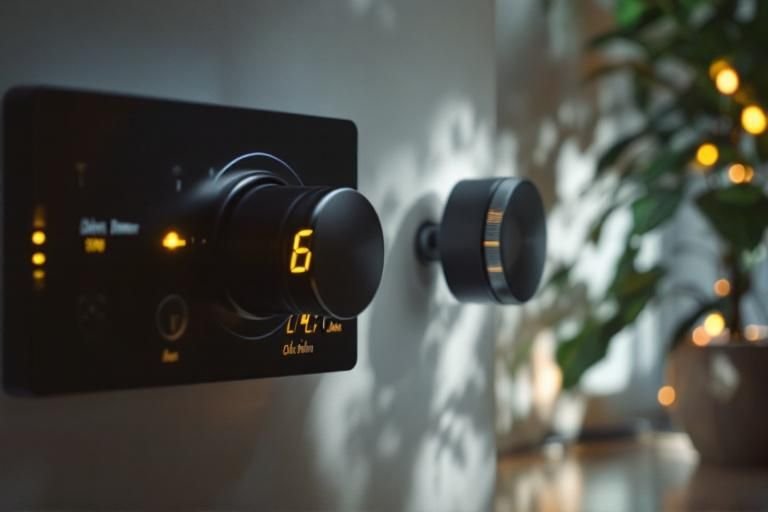
Are you confused about the difference between dimmer and smart dimmer? Many homeowners are making the switch to smart technology, but understanding how these options differ is crucial for enhancing your lighting experience. Traditional dimmers have been around for years, allowing users to adjust brightness manually, while smart dimmers offer advanced features like app control and automation. In this article, we will explore the key distinctions between these two types of dimmers, including their functionalities, benefits, and potential drawbacks. By the end, you’ll have a clear understanding of which option best suits your lighting needs.
Understanding Traditional Dimmers
Traditional dimmers are electrical devices used to adjust the brightness of light fixtures. They work by altering the voltage supplied to the bulb, allowing users to create the desired ambiance in a room. Generally, these dimmers are straightforward to install and operate, making them a popular choice for home lighting control. The simplicity of a traditional dimmer is a key advantage, as they typically require no complex setup. However, they lack features that enhance convenience and flexibility, such as remote control or integration with smart home systems.
How Traditional Dimmers Work
Traditional dimmers function by varying the electrical current supplied to the light bulb. This is accomplished through a resistive or capacitive method, which can lead to energy savings and extended bulb life. When the dimmer is adjusted, it effectively changes the voltage, which results in dimming the light output. Understanding this basic operation helps in choosing the right dimmer for your lighting needs.
Installation and Compatibility
Installing a traditional dimmer is generally a straightforward process, often involving replacing a standard light switch. However, compatibility with different types of bulbs, such as incandescent, CFL, or LED, must be considered. Not all dimmers work with every bulb type, so checking compatibility is crucial to ensure optimal performance and avoid flickering or buzzing.
Key Points:
- Traditional dimmers adjust voltage to control light brightness
- Compatibility with light types is essential for optimal performance
Exploring Smart Dimmers
Smart dimmers represent an evolution in lighting control, offering advanced functionalities beyond simple brightness adjustments. These devices can be integrated into smart home systems, allowing users to control lighting remotely via smartphones or voice commands. Smart dimmers not only provide dimming capabilities but also enable scheduling, energy monitoring, and integration with other smart devices, enhancing overall home automation. The convenience of managing lighting from anywhere significantly improves user experience and can lead to energy savings through better usage patterns.
Features of Smart Dimmers
Smart dimmers often come with a variety of features, such as customizable schedules, remote access, and integration with voice assistants. These features allow users to create specific lighting scenes for different times of the day or activities, enhancing both comfort and efficiency in home lighting. The ability to control lighting remotely can also enhance security by simulating occupancy when residents are away.
Energy Efficiency and Monitoring
Many smart dimmers include energy monitoring capabilities, providing insights into energy consumption patterns. This data can help users make informed decisions about their lighting usage, potentially leading to lower electricity bills. By optimizing when and how lights are used, smart dimmers contribute not only to convenience but also to environmental sustainability.
Key Points:
- Smart dimmers offer advanced features like remote control and scheduling
- Energy monitoring helps improve efficiency and reduce costs
Understanding Traditional Dimmers
Traditional dimmers are devices that allow users to adjust the brightness of their lighting fixtures manually. They work by varying the voltage supplied to the light bulb, which in turn changes the intensity of the light. Typically, these dimmers come with a simple slider or rotary knob. They are straightforward to install and use, making them a popular choice for homeowners looking to enhance ambiance without complex technology. However, traditional dimmers lack the additional smart features that modern lighting solutions offer, such as remote control or automation.
Functionality and Control
Traditional dimmers provide basic functionality, allowing users to manually adjust brightness levels. They do not offer advanced features like scheduling or integration with smart home systems. This simplicity can be a benefit for those who prefer straightforward controls without the need for apps or internet connectivity.
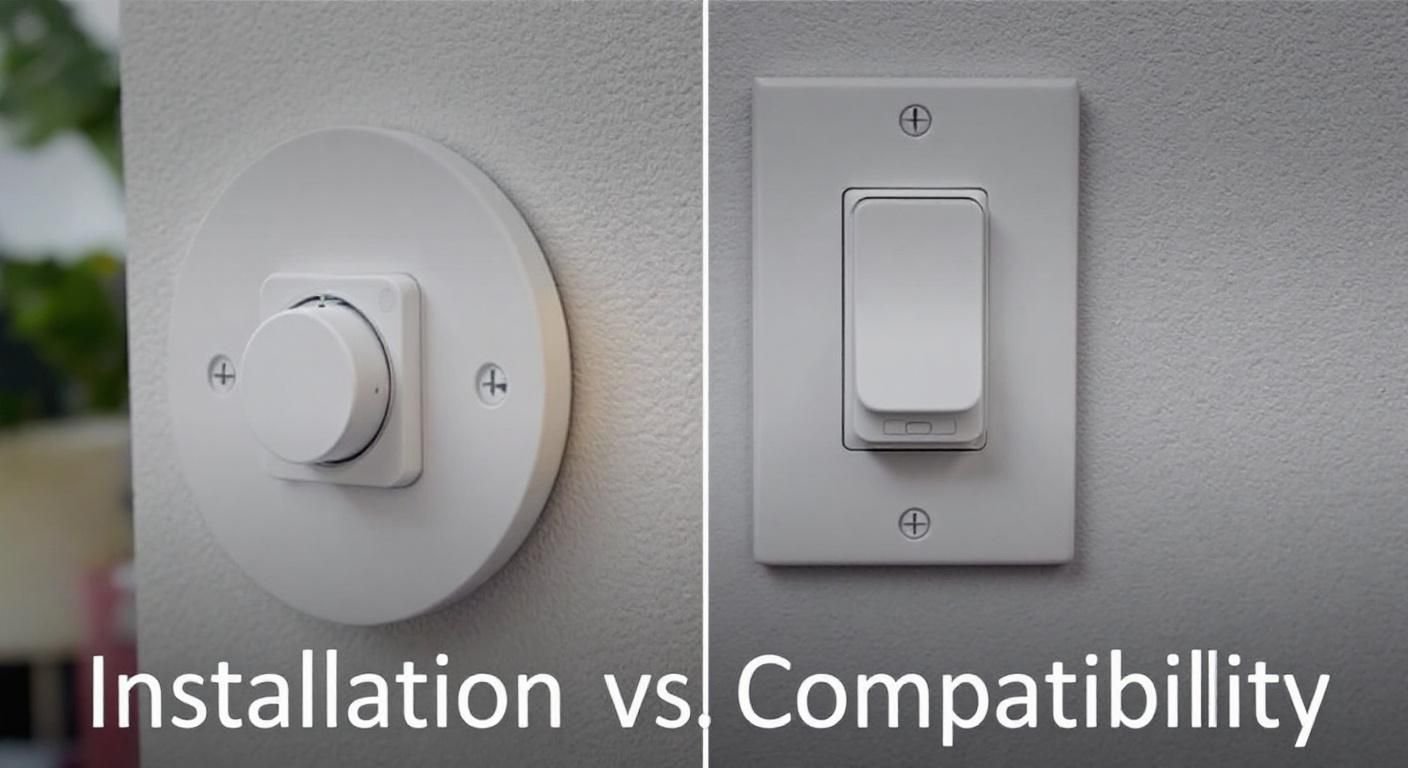
Installation and Compatibility
Installing traditional dimmers is generally easy and requires minimal tools. They are compatible with most incandescent and halogen bulbs. However, compatibility with newer LED bulbs can be tricky, often requiring specific dimmer types to avoid flickering or reduced lifespan.
Key Points:
- Traditional dimmers allow manual brightness control without complex features.
- Compatibility with light types is crucial for effective dimming.
💡 Consider using traditional dimmers in spaces where simplicity is key, such as bedrooms or reading areas.
💡 Always check the compatibility of your traditional dimmer with the type of light bulb to prevent issues.
💡 When installing, ensure the dimmer is rated for the total wattage of the lights to prevent overheating.
Exploring Smart Dimmers
Smart dimmers enhance the functionality of traditional dimmers by integrating advanced technology. They connect to home Wi-Fi networks and can be controlled remotely via smartphone apps or voice commands. This allows users to adjust lighting from anywhere and set schedules for when lights should turn on or off. Additionally, smart dimmers can often integrate with other smart home devices, providing a seamless user experience. Their installation may require more effort and sometimes professional assistance, especially for multi-way setups.
Advanced Features
Smart dimmers offer a range of features, including dimming capabilities, scheduling, and scene setting. Users can create specific lighting moods for different activities, such as movie nights or dinner parties, all controlled from a mobile device. Some models even allow for energy monitoring, providing insights into usage patterns.
Integration and Automation
Many smart dimmers are designed to work with various smart home ecosystems, such as voice assistants or home automation systems. This integration enables users to control lighting through voice commands or automate lighting based on time of day or occupancy, enhancing convenience and energy efficiency.
Key Points:
- Smart dimmers provide remote control and automation features.
- Integration with other devices enhances functionality and convenience.
💡 Leverage the scheduling feature to automate lighting for energy efficiency and security.
💡 Try out different lighting scenes for various activities to enhance your living space.
💡 Ensure your home Wi-Fi network is robust enough to support multiple smart devices for seamless connectivity.
EXPERT TIPS Pro Advice
Assess your needs before choosing between dimmers.
Understanding your lighting requirements will help you decide if a traditional dimmer suffices or if smart features are worth the investment.
Consider future-proofing your home with smart dimmers.
Investing in smart dimmers can save you from needing to upgrade later, as technology increasingly moves towards automation.
Test dimming capabilities with your light bulbs before full installation.
Some bulbs may not dim well with traditional dimmers, leading to flickering or reduced lifespan.
Consult an electrician for complex installations.
Professional installation can ensure that your smart dimmers are set up properly, especially in multi-way switch configurations.
Utilize energy monitoring features in smart dimmers.
Monitoring energy usage can help you identify areas for savings and optimize your lighting setup.
Frequently Asked Questions
Conclusion
Understanding the difference between standard and smart dimmers is crucial for effective home lighting management. While standard dimmers provide basic control, smart dimmers offer advanced features, such as remote access and automation. Choosing the right option depends on your lighting needs and lifestyle.
🎯 Key Takeaways:
- Standard dimmers allow manual brightness control.
- Smart dimmers connect to Wi-Fi for remote management.
- LED compatibility is essential for dimmers.
- Smart dimmers offer programmable and automation features.
- Upgrading to a smart dimmer enhances convenience.
Expert Advice: Evaluate your lighting needs and consider how often you use dimming features. If you desire convenience and energy efficiency, a smart dimmer is a worthwhile investment.
Research options and consider your requirements to make an informed decision about upgrading your dimmer switch.



Leave a Reply