
Have you ever wondered why does storage type affect boot time? In today’s fast-paced digital world, the speed at which your device boots can significantly impact your productivity and overall experience. With the rise of different storage technologies, such as SSDs and HDDs, understanding their influence on boot time is crucial for anyone looking to optimize their system performance. In this article, we will delve into the mechanics of storage types, explore how they affect boot times, and provide insights into choosing the right storage solution for your needs. By the end, you’ll have a clearer understanding of the relationship between storage type and boot time, empowering you to make informed decisions about your technology.
Understanding Storage Types and Their Impact on Boot Time
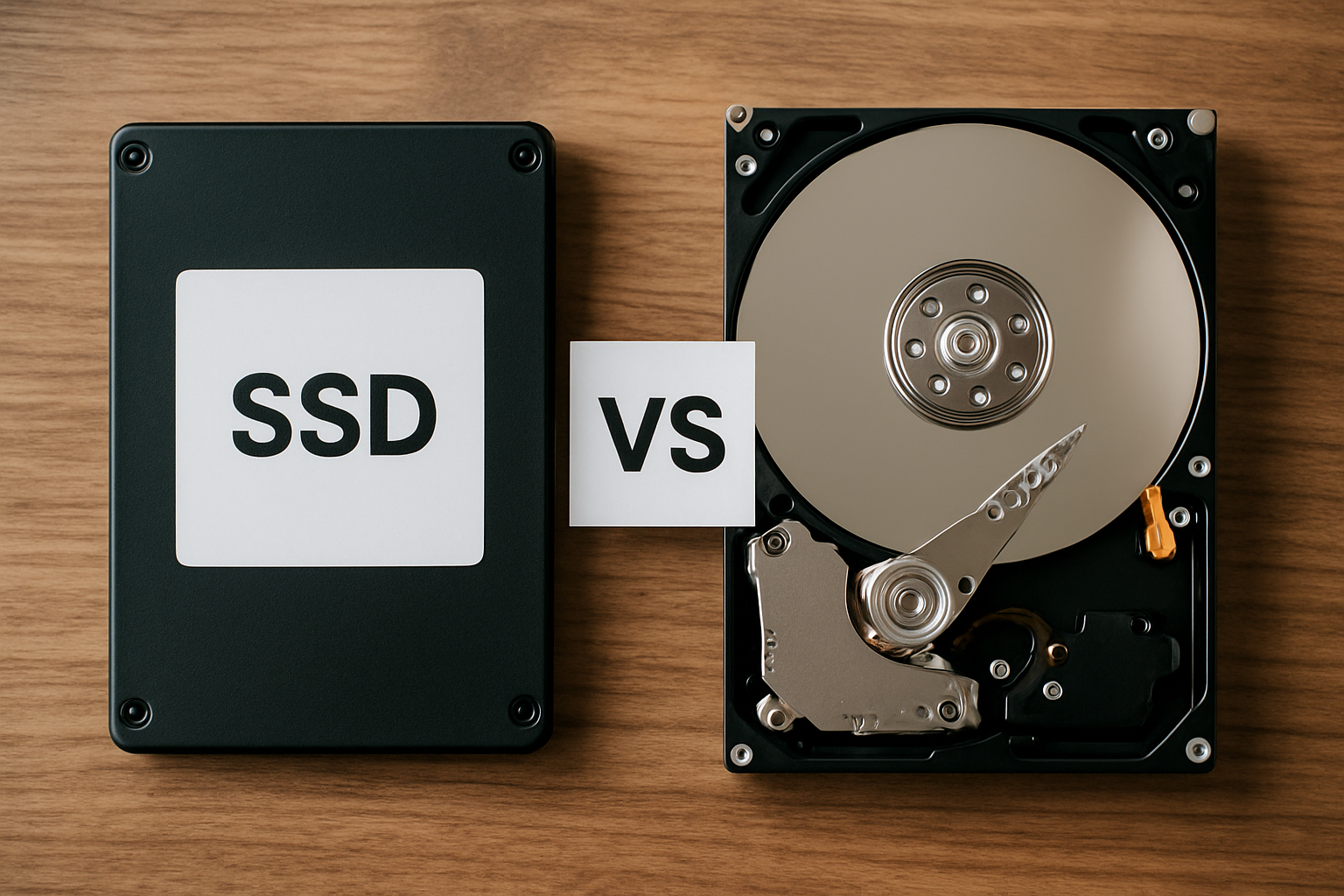
The type of storage used in a computer significantly influences its boot time. Different storage technologies, such as Hard Disk Drives (HDDs) and Solid State Drives (SSDs), offer varying speeds and performance characteristics. HDDs utilize spinning disks to access data, leading to longer boot times due to mechanical limitations. In contrast, SSDs store data on flash memory, allowing for quicker data retrieval and faster boot processes. Understanding these differences is essential for optimizing system performance and user experience.
Hard Disk Drives (HDDs)
HDDs have been the traditional storage solution for many years, relying on mechanical components to read and write data. The spinning platters and read/write heads introduce latency, which can significantly slow down boot times. For instance, a typical HDD may take 30 seconds or more to boot an operating system, depending on its speed and fragmentation levels.
Solid State Drives (SSDs)
SSDs, on the other hand, are built on flash memory technology, which allows for near-instantaneous data access. This technology eliminates moving parts, resulting in significantly lower latency and faster boot times. An SSD can reduce boot time to as little as 5-15 seconds, making it a popular choice for users seeking improved performance.
Key Points:
- Storage type plays a crucial role in boot speed
- SSDs provide significantly faster boot times than HDDs
Factors Influencing Boot Time Beyond Storage Type
While the storage type is a critical factor in boot time, other elements also contribute to the overall speed of the boot process. The operating system, BIOS settings, and hardware specifications can all play a role in how quickly a system boots. For example, an optimized operating system can streamline the boot process, while outdated BIOS settings may hinder performance. Examining these factors can help users make informed decisions about improving boot times.
Operating System Optimization
An operating system that is well-optimized can significantly enhance boot performance. Features like fast startup options, disabling unnecessary startup programs, and keeping the OS updated can reduce boot times. Users should regularly review their startup settings to ensure only essential applications load during booting.
Hardware Specifications
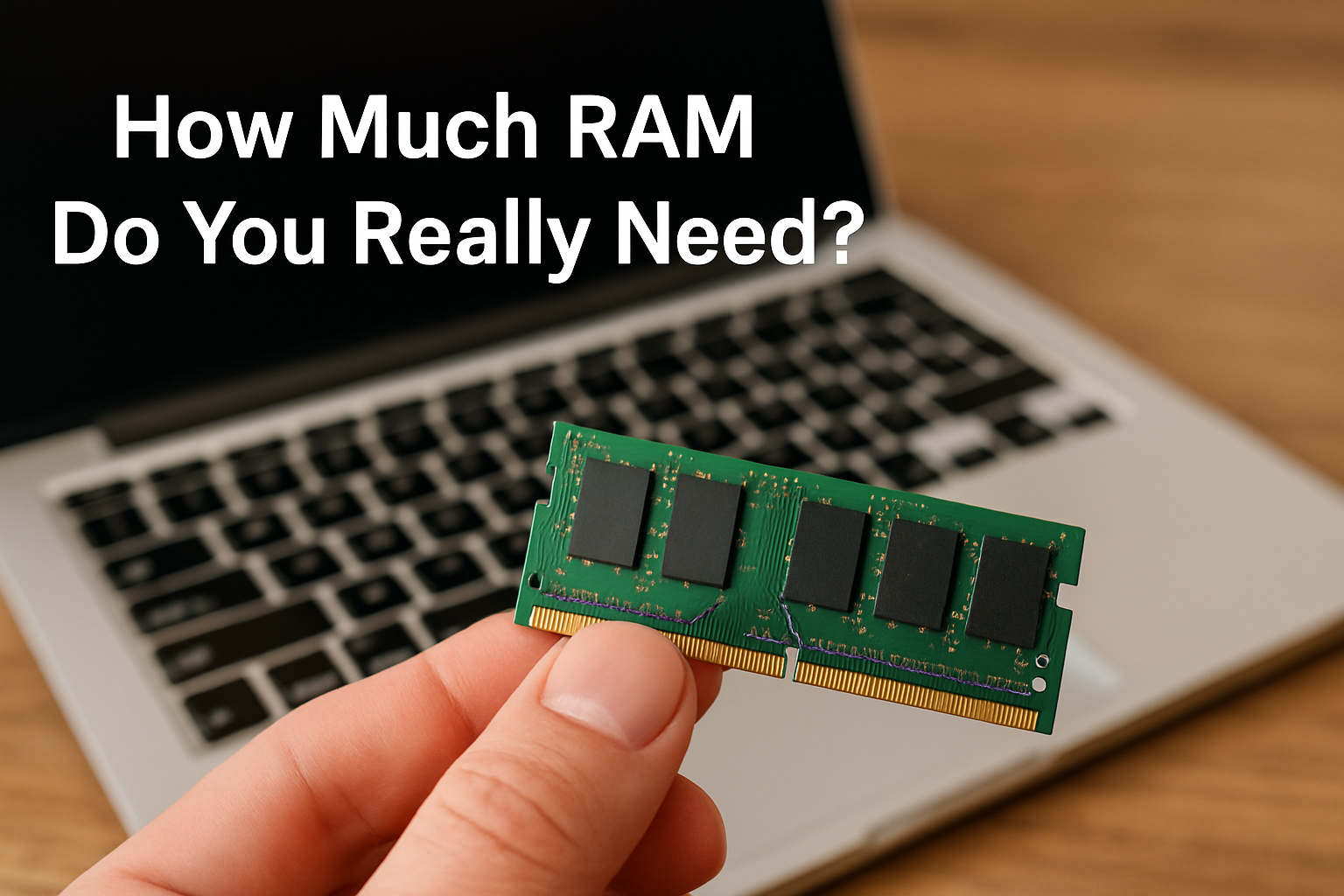
The overall hardware configuration, including the CPU, RAM, and motherboard, also affects boot time. A powerful CPU can process boot commands faster, while adequate RAM ensures smooth operation during the boot sequence. Users should consider upgrading these components to achieve better performance if boot time is a major concern.
Key Points:
- Boot time is influenced by multiple factors
- Operating system and hardware specs matter in boot performance

Understanding Storage Types and Their Impact
Storage type plays a crucial role in boot time due to the varying speeds and technologies used across different types of storage solutions. Common types include Hard Disk Drives (HDDs) and Solid State Drives (SSDs). HDDs use spinning disks to read and write data, resulting in slower access times. Conversely, SSDs utilize flash memory, allowing for quicker data retrieval and reduced boot times. The storage interface, such as SATA or NVMe, also contributes to performance differences, with NVMe offering significantly faster data transfer rates compared to SATA connections.
HDD vs. SSD Performance
HDDs are generally slower, taking several seconds to boot an operating system due to mechanical delays. In contrast, SSDs can boot systems in mere seconds or even milliseconds because they eliminate moving parts, allowing for near-instant access to data. This difference in architecture is a primary reason why storage type affects boot time significantly.
Impact of Storage Interfaces
The storage interface determines how data moves between the storage device and the motherboard. SATA interfaces, commonly used with HDDs, have bandwidth limitations compared to NVMe interfaces, which can handle far more data simultaneously. This increased bandwidth leads to faster boot times with NVMe SSDs, making the choice of interface as critical as the storage type itself.
Key Points:
- HDDs are slower due to mechanical parts.
- SSDs provide faster data access with no moving parts.
💡 Consider upgrading to an SSD for faster boot times.
💡 Use NVMe interfaces where possible for the best performance.
💡 Regularly defragment HDDs to optimize speed, although SSDs do not require this.
Optimizing Boot Times Through Storage Management
Optimizing boot times also involves effective storage management practices. Even the fastest storage types can suffer from slow boot times due to fragmentation, unnecessary files, or improper configurations. Keeping your system organized and ensuring that your storage type is suitable for your operating system can lead to improvements. Additionally, utilizing features like TRIM for SSDs can help maintain optimal performance over time, ensuring that the speed advantages are retained during regular use.
Defragmenting and Organizing Storage
For HDDs, regular defragmentation can help improve access times by rearranging fragmented data into contiguous sections. This minimizes the time the read/write head spends locating data. For SSDs, fragmentation is less of an issue, but keeping them organized and free of unnecessary files can prevent slowdowns in reading and writing, which indirectly affects boot time.
Using Optimization Tools
Many operating systems come with built-in tools to optimize storage. These can help clean up unnecessary files and manage storage space effectively. Regularly utilizing these tools can ensure that your storage device operates efficiently, leading to improved boot times and overall system responsiveness, regardless of the storage type.
Key Points:
- Effective storage management enhances performance.
- Regular maintenance can prevent slow boot times.
💡 Regularly clean your storage to free up space.
💡 Use built-in optimization tools to streamline performance.
💡 Monitor your storage health to catch issues early.
EXPERT TIPS Pro Advice
Prioritize SSDs for critical applications.
Using SSDs for operating systems and frequently used applications can drastically reduce boot and load times, enhancing overall productivity.
Regularly check for firmware updates.
Keeping your storage firmware updated ensures compatibility and maximizes performance, which can positively impact boot times.
Consider clean installations for OS upgrades.
A clean installation on a new storage device can eliminate legacy issues, providing a fresh start that often leads to faster boot performance.
Utilize storage health monitoring tools.
These tools can alert you to potential issues with your storage device before they impact performance, helping maintain optimal boot speeds.
Balance storage types for performance and cost.
Using a combination of SSDs for speed-critical applications and HDDs for bulk storage can provide a cost-effective solution without compromising performance.
Frequently Asked Questions
Conclusion
In summary, storage type significantly impacts boot time due to differences in read/write speeds and technology. Upgrading to an SSD, understanding disk fragmentation, and maintaining storage capacity are vital steps to enhance boot performance. The interface also plays a crucial role in speed.
🎯 Key Takeaways:
- SSDs offer faster boot times than HDDs due to superior technology.
- Disk fragmentation can negatively affect boot performance.
- Storage interface (SATA vs. NVMe) impacts data transfer speeds.
- Maintaining sufficient free space on your drive can improve boot speed.
Expert Advice: Consider your storage options carefully and prioritize SSDs for optimal boot performance. Regular maintenance, such as defragmentation for HDDs and monitoring storage capacity, will also contribute positively to your system’s boot time.
Evaluate your current storage solution and explore potential upgrades to enjoy faster boot times and improved system performance.



Leave a Reply