
Are you confused about the difference between sleep and hibernate battery usage on your laptop? Understanding these two power-saving modes is crucial for optimizing your device’s energy efficiency. Many users unknowingly drain their battery by choosing the wrong option, especially when on the go. With over 15 years of experience in technology and energy management, this article aims to clarify how sleep and hibernate modes function and their impact on battery life. You’ll learn about their key differences, when to use each mode, and tips for maximizing your laptop’s battery performance. By the end, you’ll be equipped to make informed decisions that can significantly extend your laptop’s usage time.
Understanding Sleep Mode
Sleep mode is a power-saving state that allows your laptop to quickly resume full power when you need to use it again. In this mode, your laptop enters a low-power state while keeping your session active in RAM. This means that while the screen is off and most components are inactive, the RAM continues to draw power to maintain the current session, which contributes to battery usage. Sleep mode is ideal for short breaks or when you need to step away from your laptop for a short time.
Power Consumption in Sleep Mode
When a laptop is in sleep mode, it typically consumes a small amount of power. This power usage varies based on the laptop’s configuration and settings, but it is usually significantly less than when the laptop is fully operational. Users can expect their battery to last for several hours in this mode, making it a convenient choice for short interruptions.
Ideal Use Cases for Sleep Mode
Sleep mode is best suited for situations where you plan to return to your laptop shortly. For instance, if you are stepping away for a meeting or a meal, sleep mode allows for a quick return without losing your work. It is also useful in scenarios where you want to pick up right where you left off without going through the boot-up process.
Key Points:
- Sleep mode conserves power while keeping your session active
- Ideal for short breaks or quick access
Exploring Hibernate Mode
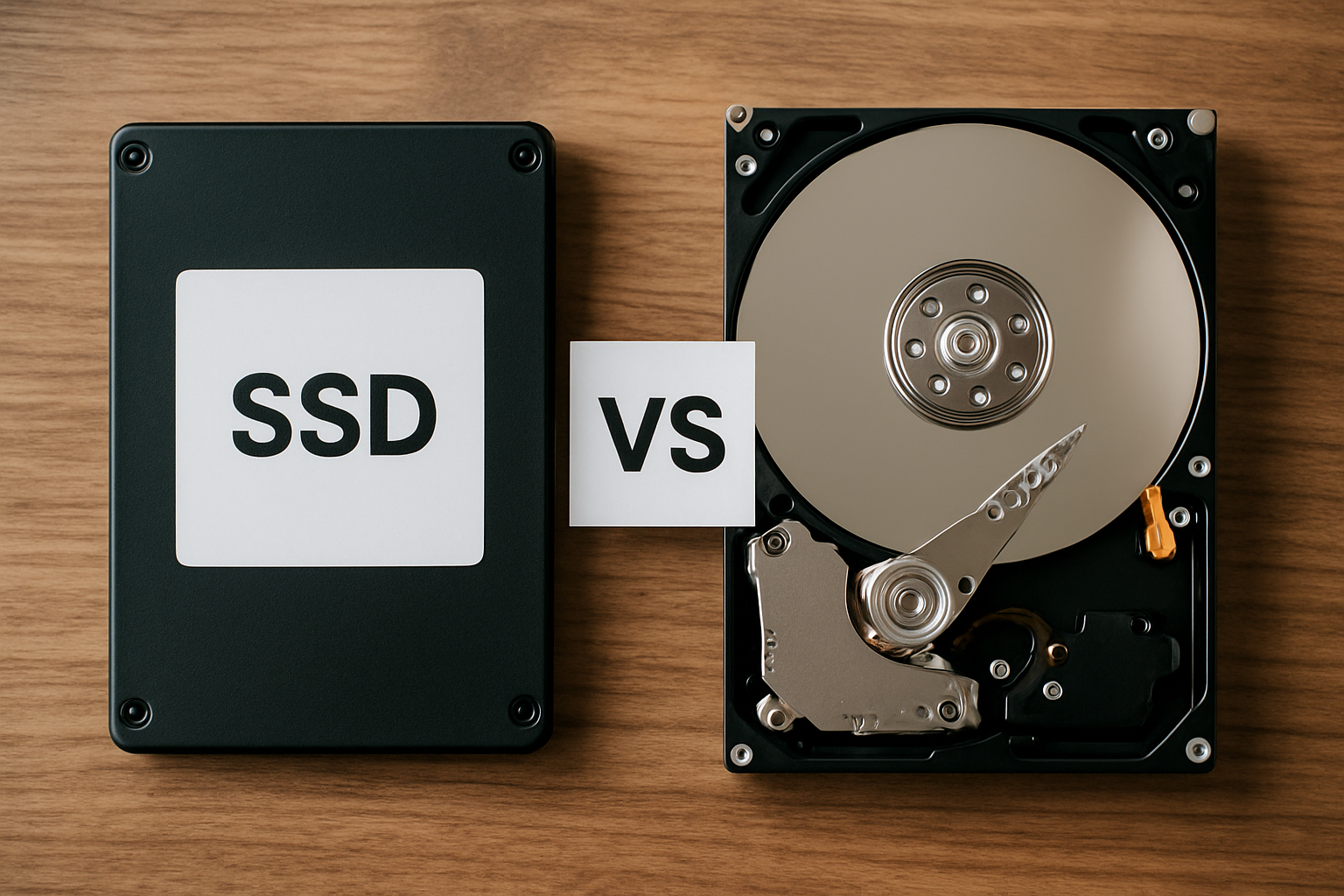
Hibernate mode is another power-saving option that completely powers down the laptop while saving the current session to the hard drive. Unlike sleep mode, hibernation does not use power, making it a more efficient choice for extended periods of inactivity. When you turn your laptop back on, the system restores your session just as you left it. This mode is particularly useful when you know you won’t be using your laptop for a while but still want to retain your open applications and documents.
Power Consumption in Hibernate Mode
In hibernate mode, your laptop consumes no battery power because it is turned off. The session data is stored on the hard drive, allowing for a complete power-off experience. This is especially beneficial for users who want to save their battery life during long periods away from their laptop, such as overnight or during travel.
Ideal Use Cases for Hibernate Mode
Hibernate mode is ideal for longer breaks or when traveling. If you won’t be using your laptop for several hours or overnight, hibernation allows you to conserve battery life while still being able to resume your work later without any data loss. It is also a good option for users with limited battery capacity who need to maximize usage time.
Key Points:
- Hibernate mode saves sessions without using battery power
- Best for long periods of inactivity or travel
Understanding Sleep Mode
Sleep mode is a low-power state for laptops where the system pauses your work and saves it in the RAM. This allows for quick access when waking the device, as the current session is stored temporarily. In sleep mode, the laptop uses a minimal amount of battery power, which can be ideal for short breaks or when you intend to resume work shortly. The main advantage lies in its speed; waking from sleep is almost instantaneous.
Battery Consumption in Sleep Mode
While in sleep mode, a laptop typically consumes around 1-5 watts of power, depending on the hardware configuration. This translates to a gradual battery drain, but the effect is minimal over a few hours. For users who frequently step away from their laptops, sleep mode is a practical choice as it balances power conservation with usability.
When to Use Sleep Mode
Sleep mode is best utilized during short breaks, meetings, or when you expect to return to your work within a few hours. It’s efficient for temporary pauses, allowing users to resume their tasks quickly without going through a full startup process.
Key Points:
- Sleep mode saves your session in RAM for fast access.
- It consumes minimal battery power, making it ideal for short pauses.
💡 Use sleep mode for quick breaks to save time and maintain your workflow.
Exploring Hibernate Mode
Hibernate mode is designed for longer periods of inactivity. Unlike sleep mode, which keeps your session in RAM, hibernate saves the entire session to the hard drive and powers down the laptop completely. This means that when you power the device back on, it restores everything to its previous state without consuming battery during the downtime. Hibernate is particularly useful for users who need to leave their laptops for an extended period, such as overnight or during long trips.
Battery Consumption in Hibernate Mode
In hibernate mode, the laptop uses virtually no battery power since it is completely turned off. The only battery usage comes from maintaining the RAM contents while the hard drive saves the session. This means that hibernating can preserve battery life significantly compared to sleep mode, especially over extended periods of inactivity.
When to Use Hibernate Mode
Hibernate mode is ideal for situations where you won’t be using your laptop for several hours or more, such as during travel or overnight. It allows you to save your session without the risk of draining your battery, making it a smart choice for long-term breaks.
Key Points:
- Hibernate saves your session to the hard drive, allowing for complete power off.
- It conserves battery effectively during long periods of inactivity.
💡 Use hibernate mode for extended breaks to conserve battery life effectively.
EXPERT TIPS Pro Advice
Know your usage patterns
Understanding how often you use your laptop can help you choose between sleep and hibernate modes effectively, optimizing battery life.
Combine modes strategically
Use sleep mode for short breaks and switch to hibernate for longer periods to maximize battery conservation without losing your work.
Adjust power settings
Tweak your laptop’s power settings to automatically switch to hibernate after a set period of inactivity to enhance battery longevity.
Regularly save your work
Regardless of the mode you choose, make it a habit to save your work often to prevent data loss in case of unexpected shutdowns.
Check battery health
Monitor your laptop’s battery health regularly to ensure it maintains optimal performance, especially when switching between sleep and hibernate modes.
Frequently Asked Questions
Conclusion
Understanding the difference between sleep and hibernate modes is essential for effective laptop usage. Sleep mode allows quick access and minimal battery drain, while hibernate saves all work and completely powers off. Choose based on your usage duration for optimal battery management.
🎯 Key Takeaways:
- Sleep mode keeps your session active but uses some battery.
- Hibernate mode saves everything to disk and shuts down, using no battery.
- Use sleep for short breaks and hibernate for extended downtime.
- Applications remain active in sleep mode, allowing for quick resumption.
- You can easily enable and switch between sleep and hibernate settings.
Expert Advice: Evaluate your usage patterns to determine the best power setting for your needs. Utilizing the appropriate mode can enhance your laptop’s battery life and overall efficiency.
Explore your laptop’s power settings today to optimize battery usage and improve your overall experience.




Leave a Reply