Have you ever wondered why storage speed matters in a PC? In today’s digital age, the speed of your storage can significantly impact system performance and user experience. According to recent studies, faster storage solutions can reduce application load times by up to 70%, enhancing productivity and overall satisfaction. As a seasoned expert in technology and performance optimization, I will guide you through the critical role storage speed plays in computing. In this article, you will learn about the differences between various storage types, how speed influences everyday tasks, and tips to optimize your PC’s performance. Let’s dive into the world of storage and discover why speed is not just a luxury but a necessity for every PC user.
Understanding Storage Speed
Storage speed refers to how quickly data can be read from and written to a device. In a PC, storage speed directly impacts system performance, affecting everything from boot times to application loading. Faster storage solutions allow for more efficient data access, which can significantly enhance the overall user experience. Traditional hard drives (HDDs) typically have slower read/write speeds compared to solid-state drives (SSDs), making the choice of storage device critical for performance optimization. Users should understand the implications of storage speed to make informed decisions when upgrading or building a PC.
Types of Storage Devices
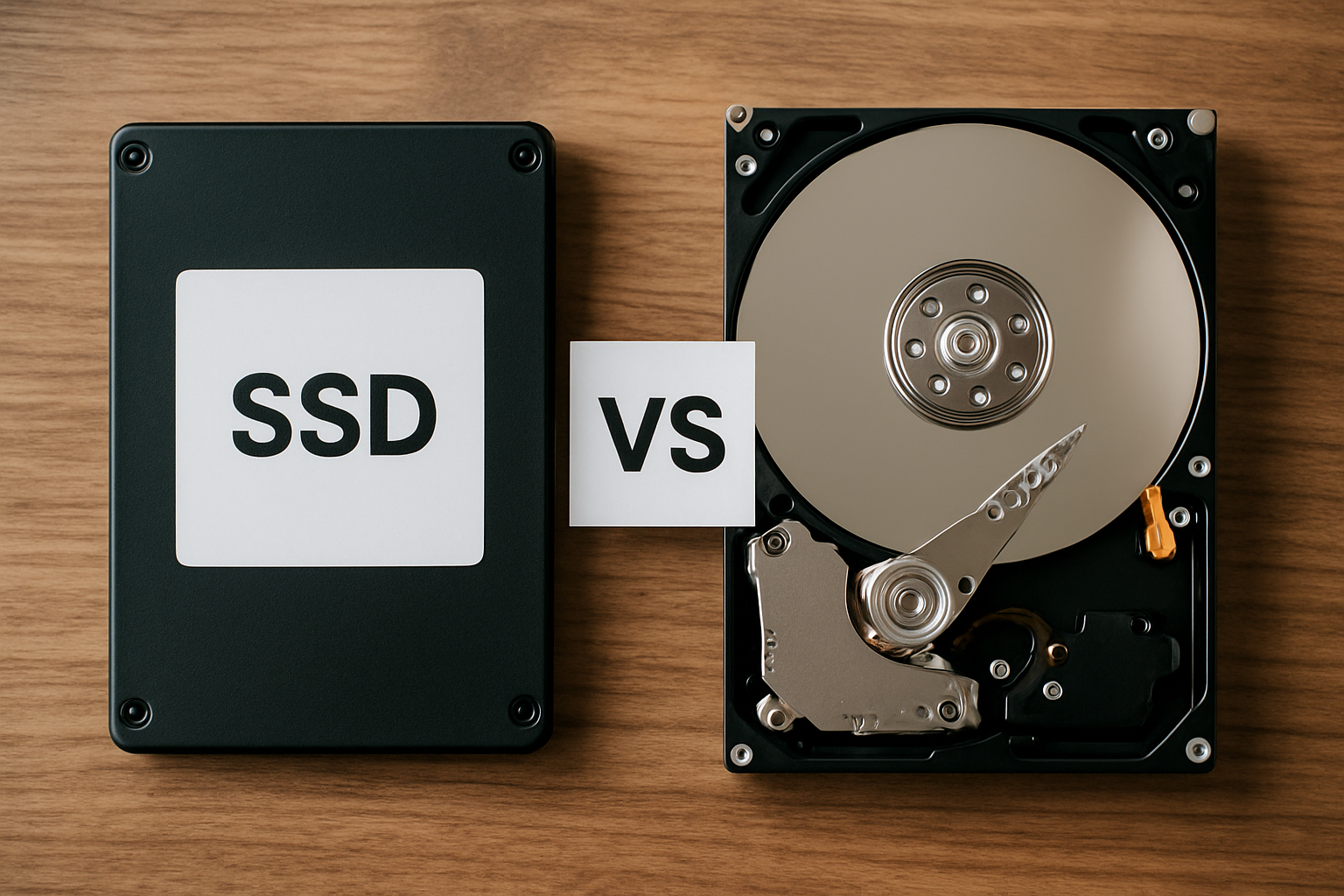
There are primarily two types of storage devices used in PCs: HDDs and SSDs. HDDs use spinning disks to read and write data, resulting in slower speeds, generally ranging from 80 to 160 MB/s. In contrast, SSDs utilize flash memory, providing significantly faster speeds, often exceeding 500 MB/s. Understanding these differences is essential for users looking to optimize their PC’s performance.
Impact on Boot and Load Times
Storage speed has a profound effect on boot times and application load times. A system with an SSD can boot in seconds, while an HDD may take several minutes. This difference can affect productivity and user satisfaction, especially in environments where time is critical. Faster load times also enhance gaming experiences and software responsiveness.
Key Points:
- Faster storage improves overall system performance
- SSD offers significant advantages over HDD in speed
How Storage Speed Affects Performance
The speed of storage directly influences how quickly a computer can perform tasks. This includes not only booting the operating system but also loading applications and accessing files. When storage speed is improved, it reduces the wait time for users, leading to a more efficient workflow. For tasks like video editing or gaming, where large files are frequently accessed, faster storage can drastically improve performance. Thus, understanding the impact of storage speed is crucial for users seeking optimal performance from their PCs.
Data Transfer Rates
Data transfer rates are a critical aspect of storage speed. They determine how quickly data can be moved in and out of storage. For instance, SSDs have much higher transfer rates, allowing for smoother multitasking and quicker file transfers. This is particularly important for users who work with large files or run multiple applications simultaneously.
Real-World Scenarios
In real-world scenarios, users with faster storage experience less lag when opening files, launching applications, or saving data. For example, a graphic designer working with large images can save significant time using an SSD compared to an HDD. This performance difference can enhance productivity and reduce frustration in everyday tasks.
Key Points:
- Storage speed impacts overall system responsiveness
- Real-world performance benefits are significant with faster storage
Understanding Storage Speed and Its Impact
Storage speed plays a crucial role in a PC’s overall performance. Faster storage devices lead to quicker data access, resulting in reduced loading times for applications, games, and files. The difference between HDDs (hard disk drives) and SSDs (solid-state drives) is a prime example. SSDs are significantly faster due to their lack of moving parts, allowing for read/write speeds that can be several times greater than traditional HDDs. This speed enhances user experience by minimizing wait times and streamlining workflows.
Types of Storage Solutions
Understanding the types of storage available is essential. HDDs are mechanical and generally slower, making them suitable for mass storage where speed isn’t critical. In contrast, SSDs utilize flash memory, providing rapid access to data. NVMe drives are even faster than traditional SSDs, leveraging the PCIe interface for superior performance. Choosing the right type depends on your specific needs, whether for gaming, content creation, or general use.
Quantifying Speed: Read/Write Speeds
Read and write speeds are key metrics that define storage performance. Measured in MB/s, these speeds indicate how quickly data can be accessed or written. For instance, SSDs can reach speeds over 500 MB/s, while HDDs often max out around 150 MB/s. For tasks like video editing or gaming, higher speeds can significantly reduce load times and improve efficiency, making the choice of storage critical for performance-oriented users.
Key Points:
- Faster storage improves application loading times.
- Different storage types serve varying performance needs.
💡 Evaluate your usage patterns to choose the right storage type.
💡 Prioritize upgrading to an SSD for noticeable performance gains.
💡 Consider NVMe drives for the fastest speed available.
The Role of Storage Speed in System Performance
Storage speed directly influences how a system performs under load. It affects everything from boot times to the responsiveness of applications. A slow storage solution can create bottlenecks, making even high-end CPUs and GPUs underperform. When the CPU waits for data to be retrieved from slower HDDs, it can lead to inefficiencies and lag. Therefore, optimizing storage speed is essential for maximizing the full potential of your PC’s hardware.
Impact on Boot and Load Times
Booting up a PC involves loading the operating system and essential files from storage. Faster storage can reduce boot times from several minutes to mere seconds. This rapid access not only enhances user convenience but also improves system readiness for tasks. Similarly, applications that rely on storage for data loading benefit from reduced load times, leading to a smoother and more efficient user experience overall.
Data Transfer and Multitasking Efficiency
When performing tasks that require data transfer, such as video editing or running virtual machines, storage speed becomes critical. Faster storage allows multiple processes to run concurrently without significant slowdowns. For users who multitask frequently, investing in high-speed storage can lead to a substantial increase in productivity, as tasks can be completed more rapidly and with less frustration.
Key Points:
- Storage speed affects boot and application load times.
- High-speed storage enhances multitasking capabilities.
💡 Regularly monitor storage performance to identify potential bottlenecks.
💡 Utilize disk optimization tools to maintain speed over time.
💡 Consider RAID configurations for improved speed and redundancy.
EXPERT TIPS Pro Advice
Assess your performance needs before upgrading storage.
Understanding whether you need speed for gaming, content creation, or general use helps in making informed decisions about storage upgrades.
Regularly back up data to avoid losses during storage upgrades.
Backing up ensures that your information remains safe and accessible, especially when transitioning to a new storage solution.
Keep your storage firmware updated.
Firmware updates can enhance performance and reliability, making it a simple yet effective way to ensure optimal storage speed.
Frequently Asked Questions
Conclusion
Understanding storage speed and its impact on PC performance is essential for optimizing user experience. Faster storage solutions enhance data access, improve gaming performance, and reduce boot times. By choosing the right storage type, you can significantly boost your system’s efficiency.
🎯 Key Takeaways:
- Storage speed affects overall system performance and user experience.
- Faster drives reduce load times for applications and games.
- Upgrading to SSDs can drastically improve boot times.
- Benchmarking tools can help assess storage speed.
- Prioritize storage based on your specific usage needs.
Expert Advice: Evaluate your computing needs and consider upgrading your storage solution accordingly. Faster storage can transform your PC experience, making tasks smoother and more efficient.
Explore your storage options today to enhance your PC’s performance!



Leave a Reply