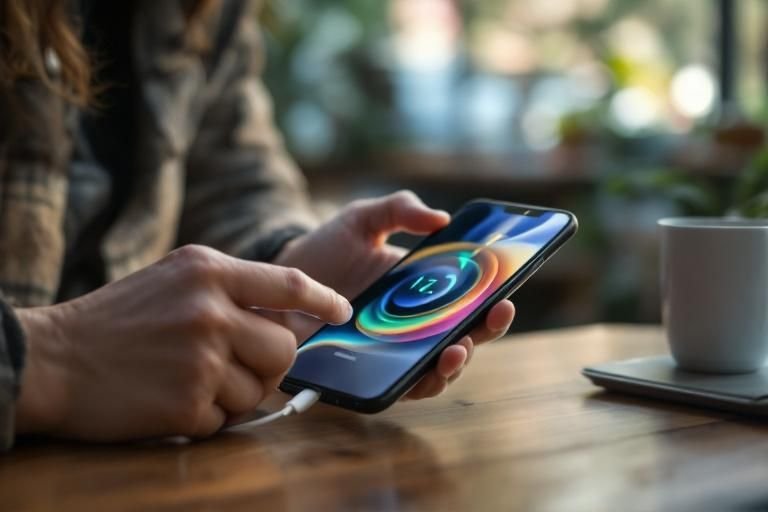
Have you ever wondered what is charging voltage in phone and how it impacts your device’s performance? With the increasing reliance on smartphones, understanding charging voltage is essential for optimizing battery life and ensuring efficient charging. In this article, we will explore the fundamentals of charging voltage, including its significance in the charging process and how it influences charging speed. As a senior SEO content strategist with extensive expertise in technology topics, I will break down complex concepts into digestible insights, helping you grasp the essentials of phone charging voltage. Whether you’re a tech enthusiast or just looking to better care for your device, you’ll learn everything you need to know about maintaining the health and efficiency of your smartphone’s battery.
Understanding Charging Voltage
Charging voltage refers to the electrical potential difference applied to a device’s battery during charging. In smartphones, this voltage is crucial for efficiently transferring energy from the charger to the battery. Typically, charging voltage can vary between 5V and 20V, depending on the charging technology used. Higher voltages allow for faster charging but must be managed to avoid overheating and potential battery damage. Understanding the role of charging voltage helps users choose compatible chargers and optimize their device’s battery health.
The Role of Voltage in Charging
Voltage is a key factor in the charging process, as it determines how quickly energy can move into the battery. A higher voltage typically means faster charging; however, the battery’s design and chemistry dictate the maximum safe voltage. For instance, lithium-ion batteries commonly found in smartphones usually charge efficiently at 4.2V per cell, while fast-charging technologies can increase this to 9V or more.
Standard Charging Voltage Levels
Most smartphones operate on standard charging voltages of 5V for regular charging and up to 9V or 12V for fast charging. These levels balance speed and safety, ensuring the battery charges quickly without overheating. Understanding these standards helps users avoid using incompatible chargers that could damage their devices.
Key Points:
- Charging voltage is essential for efficient energy transfer.
- Higher voltages can enable faster charging but require proper management.
Types of Charging Voltages
Different charging technologies utilize varying voltage levels to optimize performance. Understanding these types helps users select the right charger for their needs. The most common types include standard charging, fast charging, and wireless charging, each with its unique voltage specifications and benefits. Knowing these differences can lead to better battery management and longer device lifespan.
Standard Charging
Standard charging typically uses a voltage of 5V, suitable for most everyday charging needs. This method is slower but safer for the battery, reducing the risk of overheating and prolonging battery life. It is ideal for overnight charging when speed is not a priority.
Fast Charging Technologies
Fast charging technologies, such as Quick Charge or Power Delivery, leverage higher voltages, often between 9V and 20V. This allows batteries to charge much quicker without significantly increasing battery temperature. Users should ensure their devices support these technologies to maximize efficiency and safety.
Wireless Charging Voltage
Wireless charging typically operates at lower voltages, around 5V to 15V. While convenient, it is generally slower than wired charging. Understanding the voltage range can help users optimize their charging methods based on convenience and speed.
Key Points:
- Different charging technologies use various voltage levels.
- Standard charging is safer but slower, while fast charging offers speed with caution.
Understanding Charging Voltage in Phones
Charging voltage is a critical aspect of how smartphones receive power. Typically, the standard charging voltage for most smartphones is 5 volts. This voltage is essential for ensuring that the battery charges efficiently without overheating or damaging the device. When charging, the voltage needs to match the battery’s requirements to provide optimal performance. Over time, technologies such as Quick Charge and USB Power Delivery have introduced higher voltages, often ranging from 9 to 20 volts, to facilitate faster charging while maintaining safety standards.
Importance of Charging Voltage
Charging voltage determines how much power is delivered to the battery. A voltage that is too low may result in slow charging, while one that is excessively high can lead to overheating and potential battery damage. Understanding the specific voltage requirements of a phone can help prevent issues and prolong battery life.
Standard vs. Fast Charging
Standard charging typically uses a 5V output, while fast charging might utilize higher voltages such as 9V or 12V. This transition allows for quicker energy transfer, significantly reducing the time needed to charge a device. Fast charging technologies intelligently adjust voltage based on battery condition and temperature.
Key Points:
- Charging voltage is crucial for battery efficiency and safety.
- Higher voltages enable faster charging but require compatible devices.
💡 Always use a charger that matches your phone’s voltage requirements to avoid damage.
💡 Monitor your phone’s temperature while charging to prevent overheating.
💡 Consider using fast charging only when necessary to prolong battery lifespan.
Factors Affecting Charging Voltage
Several factors can influence the charging voltage of a phone. Environmental conditions, the condition of the charger, and the phone’s battery management system all play important roles. For instance, extreme temperatures can affect a battery’s ability to accept charge, leading to fluctuations in voltage. Additionally, using third-party chargers may not deliver the appropriate voltage, risking device integrity.
Charger Quality and Compatibility
Using chargers that are not designed for your specific phone model can lead to voltage inconsistencies. Quality chargers are built with safety mechanisms that help regulate voltage and prevent damage. Therefore, always check compatibility before charging your device with a new charger.
Battery Management Systems
Modern smartphones are equipped with sophisticated battery management systems that monitor voltage, temperature, and charging cycles. These systems ensure that the battery receives the correct voltage and adjusts it based on real-time conditions, enhancing safety and efficiency.
Key Points:
- Environmental and charger quality can affect charging voltage.
- Advanced battery management systems help optimize charging efficiency.
💡 Use the original charger for best results and safety.
💡 Check your phone’s battery health regularly to ensure optimal charging.
💡 Avoid charging in extreme temperatures to maintain battery performance.
EXPERT TIPS Pro Advice
Understand your device’s charging specifications
Knowing the exact voltage and amperage required for your device can help avoid using incompatible chargers, which can lead to damage or inefficient charging.
Charge your phone regularly
Keeping your battery level between 20% and 80% can prolong its lifespan and maintain optimal charging voltage levels.
Avoid using your phone while charging
Using your phone during charging can increase heat, affecting the charging voltage and potentially leading to battery degradation.
Keep charging ports clean
Dust and debris in charging ports can impede voltage delivery and lead to inefficient charging. Regularly clean the port for optimal performance.
Monitor charging habits
Using a consistent charging routine can help maintain battery health and ensure that the charging voltage remains within safe limits.
Frequently Asked Questions
Conclusion
Understanding charging voltage is vital for maintaining your phone’s battery health and longevity. Most smartphones charge at 5V, with fast charging capable of increasing this to higher voltages. Always use recommended chargers and be mindful of the effects of varying voltages on battery life.
🎯 Key Takeaways:
- Charging voltage typically ranges from 5V to 20V.
- Correct voltage ensures efficient and safe battery charging.
- Excessive voltage can damage the battery.
- Modern phones adapt to various charging voltages.
- Fast charging is convenient but may accelerate battery wear.
Expert Advice: Always prioritize using chargers that comply with your phone’s specifications. This practice will help maintain battery health and performance over time, extending the lifespan of your device.
Explore more about battery care and charging practices to optimize your device’s performance.






Leave a Reply