
Are you frustrated by how quickly your Android device’s battery drains? You’re not alone—many users face this common issue. Understanding how to stop apps draining battery Android is essential for maintaining your device’s performance and longevity. With over 15 years of experience in mobile technology, I’ve seen how small adjustments can lead to significant improvements in battery life. In this article, you’ll learn practical steps for identifying battery-draining apps, optimizing settings for efficiency, and implementing effective management techniques. By the end, you’ll be equipped with the knowledge to enhance your Android device’s battery performance and enjoy longer usage without interruptions.
Understanding Battery Drain on Android Devices
Battery drain is a common issue for Android users, often caused by background applications consuming resources. Understanding how apps interact with your device’s battery can help you manage usage effectively. Apps that run in the background can continuously use data, CPU, and other resources, leading to faster battery depletion. Identifying these apps is the first step in reducing their impact. Furthermore, certain features, such as location services and notifications, can exacerbate battery drain. By adjusting these settings, users can significantly enhance battery longevity without sacrificing essential functionality.
Common Causes of Battery Drain
Several factors contribute to battery drain on Android devices. These include poorly optimized apps that run continuously in the background, high screen brightness, location services, and constant data syncing. Identifying these culprits is crucial for effective management. Additionally, keeping your device updated can ensure that your operating system includes the latest battery-saving features.
How Background Apps Affect Battery Life
Background apps can use significant system resources, even when not in active use. They may continue to sync data, send notifications, or perform updates, all of which consume battery power. Monitoring these apps through your device settings can help you identify which ones are contributing to battery drain. Disabling background activity for non-essential apps can lead to substantial battery savings.
Key Points:
- Understanding the impact of background apps is crucial.
- Adjusting settings can significantly improve battery life.
Practical Steps to Reduce Battery Drain
Implementing practical measures to stop apps from draining battery life is essential for maximizing your Android device’s performance. Start by reviewing your device’s battery usage settings, which provide insights into which apps consume the most power. Limiting background data for these apps can significantly reduce their impact. Additionally, adjusting settings such as screen brightness and timeout duration can conserve battery life. Using power-saving modes available in your device can also optimize performance without compromising essential features. Regularly updating apps can ensure they run more efficiently and use less battery.
Managing App Permissions
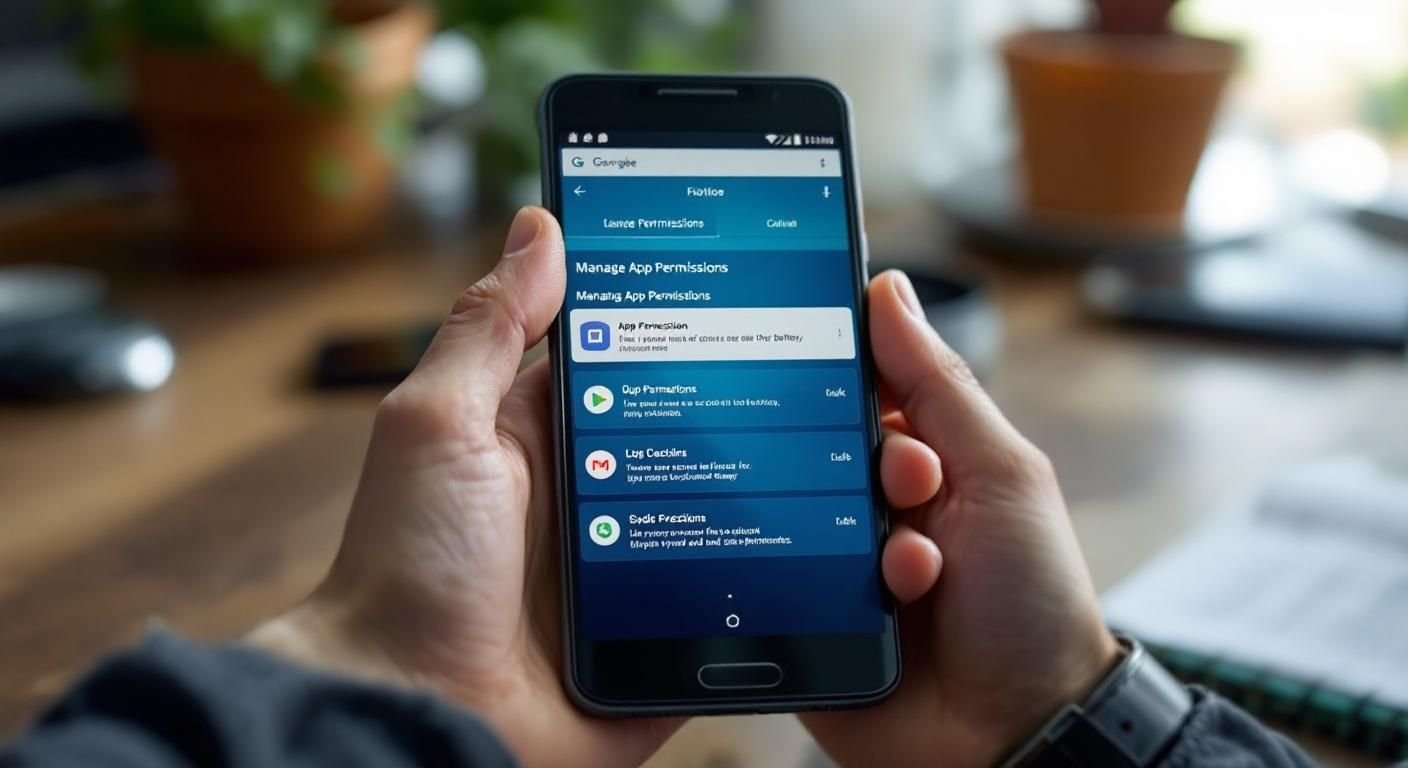
Managing app permissions can help control how apps use your device’s resources. For instance, restricting location access for apps that do not require it can reduce battery drain. Access the settings menu to adjust permissions for individual apps and disable unnecessary features that could contribute to battery depletion.
Utilizing Battery Optimization Features
Most Android devices come equipped with battery optimization features that automatically limit background activity for apps that you don’t frequently use. Enable these settings through your device’s battery menu to help prolong battery life. Regularly reviewing the list of optimized apps can ensure that your device is running efficiently.
Key Points:
- Review battery usage to identify high-drain apps.
- Utilize device settings to manage permissions and optimize battery life.
Understanding Battery Consumption by Apps
To effectively stop apps from draining your Android battery, it’s crucial to understand how different apps consume power. Some apps continuously run in the background, using resources even when they’re not actively in use. By identifying these power-hungry applications, you can take targeted actions to mitigate their impact on battery life. Android’s built-in battery usage tracker provides detailed insights into which apps are consuming the most battery, allowing you to prioritize your efforts accordingly.
Monitoring Battery Usage
Access the battery settings on your Android device to view a list of apps and their battery consumption. This feature helps you identify which apps are draining your battery the most. By focusing on these top offenders, you can make informed decisions about which apps to limit or uninstall.
Identifying Background Activity
Many apps run in the background, consuming battery without your knowledge. Look for options in app settings to restrict background activity. Disabling background data for less critical apps can significantly improve battery life, as it prevents them from using resources when not in use.
Key Points:
- Understanding which apps consume the most battery is the first step.
- Limiting background activity can lead to substantial battery savings.
💡 Regularly check battery usage statistics to stay aware of app consumption patterns.
💡 Consider uninstalling or disabling apps that consistently drain your battery without providing significant benefits.
Optimizing App Settings for Battery Efficiency
Beyond identifying battery-draining apps, optimizing their settings can lead to further enhancements in battery life. Many apps come with features that can be adjusted to reduce their resource consumption. This includes managing location services, notifications, and syncing options. By making small adjustments to these settings, you can improve overall battery performance without sacrificing functionality.
Adjusting Location Services
Many apps utilize GPS for location-based services, which can be a significant battery drain. Change location settings from ‘High Accuracy’ to ‘Battery Saving’ or ‘Device Only’ to limit GPS usage. This can greatly enhance battery longevity while still allowing essential functions to operate.
Managing Syncing and Notifications
Frequent syncing and notifications can consume battery life. Adjust sync settings to manual or reduce the frequency of updates for non-essential apps. Additionally, limit notifications for apps that are not critical to reduce background activity.
Key Points:
- Optimizing app settings can significantly enhance battery life.
- Managing location and sync features is key to reducing consumption.
💡 Review and adjust location settings for apps to minimize GPS consumption.
💡 Limit app syncing and notifications to essential items to reduce battery usage.
EXPERT TIPS Pro Advice
Enable Battery Saver Mode
Activating battery saver mode on your Android device can automatically restrict background activity and sync settings, extending battery life significantly during critical times.
Update Apps Regularly
Keeping apps updated ensures you benefit from the latest optimizations and bug fixes, which can improve their efficiency and battery usage.
Limit High-Resource Apps
Identify and limit usage of apps that are known to consume a lot of battery, especially games and streaming services, to preserve battery life.
Frequently Asked Questions
Conclusion
To effectively stop apps from draining your Android battery, identify high-consumption apps, restrict background data, and manage notifications. Enabling battery saver mode and adjusting brightness are additional steps. Regular maintenance of your app usage will ensure longer battery life.
🎯 Key Takeaways:
- Identify battery-draining apps in settings.
- Restrict background data to save power.
- Adjust screen brightness for efficiency.
- Enable battery saver mode when needed.
- Uninstall unused apps to reduce consumption.
- Manage app notifications to limit battery drain.
Expert Advice: Regularly monitor your app usage and settings to maintain optimal battery performance. Small adjustments in settings and app management can lead to significant improvements in battery life.
Take a few moments to review your app settings today for better battery health.







Leave a Reply