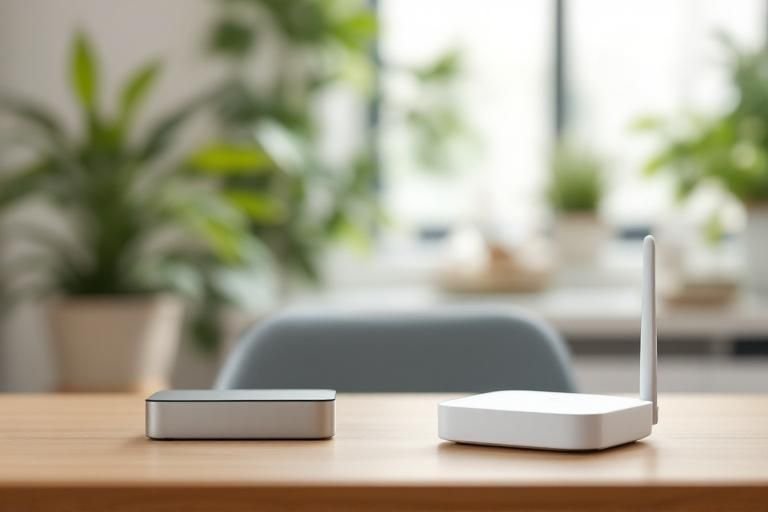
Are you confused about the difference between WiFi and hub based smart devices? You’re not alone. As smart home technology continues to evolve, understanding how these devices communicate is crucial for optimizing your home automation. WiFi devices connect directly to your home network, allowing for easy installation and control without additional hardware. In contrast, hub based devices rely on a central hub to communicate, providing enhanced compatibility for various protocols. In this article, we will explore the fundamental differences, advantages, and disadvantages of each system, helping you make informed decisions about your smart home setup.
Understanding Smart Devices: Wi-Fi vs Hub-Based
Smart devices have transformed how we interact with technology in our homes, primarily through Wi-Fi and hub-based systems. Wi-Fi-enabled devices connect directly to your home router, allowing them to communicate over the internet. In contrast, hub-based devices rely on a central hub to manage communication between devices. This key difference influences how these devices operate, their ease of use, and their overall functionality. Understanding these distinctions can aid consumers in making informed decisions about their smart home setups.
Wi-Fi-Enabled Smart Devices
Wi-Fi-enabled devices can directly connect to your home internet network without requiring additional equipment. They allow for seamless integration with smartphones and tablets, enabling remote control from anywhere with internet access. This direct connection offers flexibility and ease of setup, making it attractive for those who want immediate access to their devices without extra costs.
Hub-Based Smart Devices
Hub-based devices connect to a central hub, which acts as a bridge between different devices and the internet. This setup often enhances device compatibility, as many hubs support various communication protocols. While requiring an initial investment in the hub, this approach can improve reliability and reduce network congestion, especially in homes with numerous smart devices.
Key Points:
- Wi-Fi devices connect directly to the internet, offering simplicity.
- Hub-based devices enable better compatibility and management of multiple devices.
Comparative Advantages of Wi-Fi and Hub-Based Systems
Each system comes with its advantages and drawbacks, influencing user experience and functionality. Wi-Fi devices are typically easier to install and offer direct access without intermediary equipment. However, they may experience performance issues in larger homes due to signal interference. Conversely, hub-based systems can streamline communication and enhance device interoperability, but they require a greater initial commitment in terms of setup and investment. Understanding these pros and cons can help users choose the right system based on their specific needs.
Advantages of Wi-Fi Devices
Wi-Fi devices are often praised for their user-friendliness. They eliminate the need for additional hardware, making them ideal for users who prefer straightforward setups. They also allow easy integration with existing home networks and facilitate remote management via mobile applications, enhancing convenience for tech-savvy users.
Advantages of Hub-Based Devices
Hub-based devices often excel in scenarios where connectivity and reliability are paramount. By centralizing control, they minimize the risk of device interference and can manage devices across various protocols. This is particularly beneficial in larger homes with multiple smart devices, ensuring smoother operation and interoperability.
Key Points:
- Wi-Fi devices offer straightforward installation and remote access.
- Hub-based systems enhance reliability and compatibility for multiple devices.
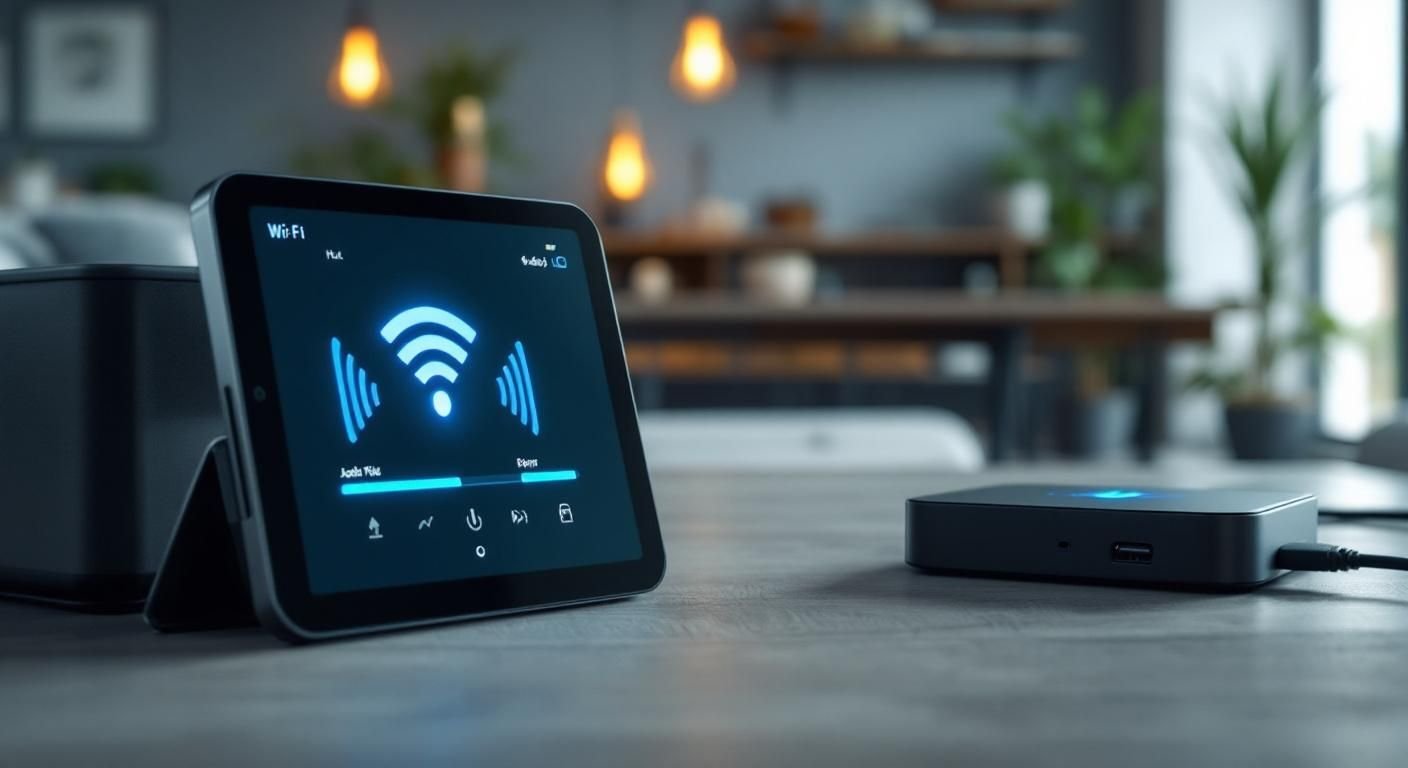
Understanding WiFi-Based Smart Devices
WiFi-based smart devices connect directly to your home network, allowing them to communicate over the internet without a central hub. This setup simplifies installation, as users typically need only to configure their devices through an app. WiFi devices tend to have higher bandwidth and can support more data-intensive functions like video streaming. However, they often require a stable internet connection and may reduce network performance if too many devices are connected simultaneously. This can lead to latency issues, especially in larger homes with multiple devices.
Installation and Setup
Setting up WiFi-based devices is usually straightforward. Users need to connect the device to their WiFi network using an app, often guided by step-by-step prompts. Ensure your router is positioned close to the device for optimal connectivity. Regular updates to device firmware can also enhance performance and security.
Performance and Range
WiFi devices operate over existing home internet infrastructure, which means performance can vary based on distance from the router and any obstacles in between. WiFi extenders can help boost signal strength in larger areas, but they may introduce latency. For seamless operation, consider the layout of your space and potential interference from walls or other electronic devices.
Key Points:
- WiFi devices connect directly to your network without needing a hub.
- They are easy to set up but can impact network performance if overloaded.
💡 Ensure your router is updated regularly to maintain security and performance.
💡 Use a WiFi analyzer app to identify the best placement for your smart devices.
Exploring Hub-Based Smart Devices
Hub-based smart devices utilize a central hub to manage communication between devices, allowing for more efficient coordination and control. Hubs can connect devices using various protocols, such as Zigbee or Z-Wave, which often consume less power and provide better network reliability. This architecture allows for automation and complex routines that might not be feasible with standalone WiFi devices. However, the initial setup can be more complex, requiring additional hardware, and may involve a steeper learning curve for users.
Advantages of Hub-Based Systems
Hub-based systems can handle many devices simultaneously without straining the home network. They often provide better security as they can use encrypted communication protocols. Additionally, hubs can facilitate interoperability between devices from different manufacturers, creating a unified smart home ecosystem that maximizes functionality and ease of use.
Integration and Automation
A significant advantage of using a hub is the ability to create complex automation routines. Users can set up actions that trigger multiple devices simultaneously or based on specific conditions, such as time of day or sensor input. This leads to a more cohesive smart home experience, allowing for personalized settings such as lighting, temperature, and security notifications.
Key Points:
- Hubs manage communication, improving reliability and automation capabilities.
- They enable integration of diverse devices, enhancing the overall smart home experience.
💡 Choose a hub that supports multiple communication protocols for better device compatibility.
💡 Regularly update the hub’s firmware to take advantage of new features and security improvements.
EXPERT TIPS Pro Advice
Consider your home layout when choosing between WiFi and hub-based systems.
Understanding your home’s size and design can help you determine which system will provide the best connectivity and coverage.
Evaluate the number of devices you plan to connect.
If you have many devices, a hub-based system may be more efficient, as it can manage multiple connections without degrading performance.
Research compatibility of devices before making a purchase.
Ensure devices you’re considering can work together, especially in hub-based systems where interoperability is crucial.
Invest in a good router if opting for WiFi devices.
A high-quality router can significantly enhance performance and range, especially in homes with multiple smart devices.
Stay informed about the latest technology standards.
Keeping up with advancements can help you choose the most future-proof devices and systems.
Frequently Asked Questions
Conclusion
Understanding the difference between WiFi and hub-based smart devices is essential for creating an efficient smart home. WiFi devices offer direct connectivity and ease of use, while hub-based devices provide centralized control and enhanced performance. Assess your needs to make informed choices.
🎯 Key Takeaways:
- WiFi devices connect directly to the internet, while hub-based devices use a central hub.
- Hub-based devices provide better performance and can operate without internet.
- WiFi devices are easier to set up and suitable for simpler systems.
- Both types can work together for a more integrated smart home.
- Choosing depends on the number of devices and desired features.
Expert Advice: Evaluate your smart home needs carefully. A combination of both WiFi and hub-based devices may offer the best solution, catering to your specific requirements and improving your overall experience.
Consider your smart home goals and explore options that align with your lifestyle.



Leave a Reply