Is your laptop running slow with full storage? This common issue can frustrate users and hinder productivity. A full storage drive can significantly impact your laptop’s performance, leading to slower load times and lagging applications. As an experienced SEO content strategist, I understand the technical underpinnings of computer performance. In this article, we’ll explore the reasons behind a slow laptop and provide practical solutions to free up storage and enhance speed. You’ll learn about the relationship between storage space and system performance, how to diagnose the problem, and effective strategies to optimize your laptop’s functionality.
Understanding Laptop Performance and Storage
Many users wonder why is my laptop running slow with full storage, and the answer often lies in the interplay between storage capacity and system performance. When a laptop’s storage is near capacity, it can significantly hinder the system’s ability to operate efficiently. The operating system requires a certain amount of free space to manage temporary files, swap space, and system updates. Without adequate free space, the laptop struggles to perform basic tasks, leading to noticeable slowdowns and lag in responsiveness.
The Role of Storage in Performance
Storage affects performance because operating systems need free space to manage data effectively. When storage is full, the system cannot allocate space for temporary files, which can cause applications to crash or run slowly. Additionally, many systems require a buffer zone of free space for updates and system cache, which further impacts performance.
Operating System and Disk Usage
Operating systems utilize storage for various processes, including virtual memory management. When storage is full, the system may use slower methods to access needed files, translating to slower performance. Regular disk usage monitoring can help identify when storage is approaching capacity and mitigate potential performance issues.
Symptoms of a Slow Laptop Due to Full Storage
Identifying whether your laptop is running slow due to full storage involves recognizing specific symptoms. Common signs include prolonged boot times, lag in application responsiveness, and difficulties in saving or opening files. These symptoms indicate that your laptop may be struggling to manage resources effectively. Additionally, frequent error messages related to insufficient storage can also signal that your laptop’s performance is being adversely affected by full storage.
Common Performance Issues
Performance issues can manifest as slow application launches, unresponsive programs, or stuttering during usage. These problems are often exacerbated when trying to run multiple applications simultaneously. Users may also notice that their system takes longer to boot up, indicating that the operating system is having trouble loading all necessary files.
Error Messages and Notifications
Error messages about low storage space are critical indicators of performance degradation. Users might encounter alerts prompting them to free up space, which is a clear sign that the laptop cannot perform optimally. Ignoring these notifications can lead to more severe performance issues and potentially cause data loss.
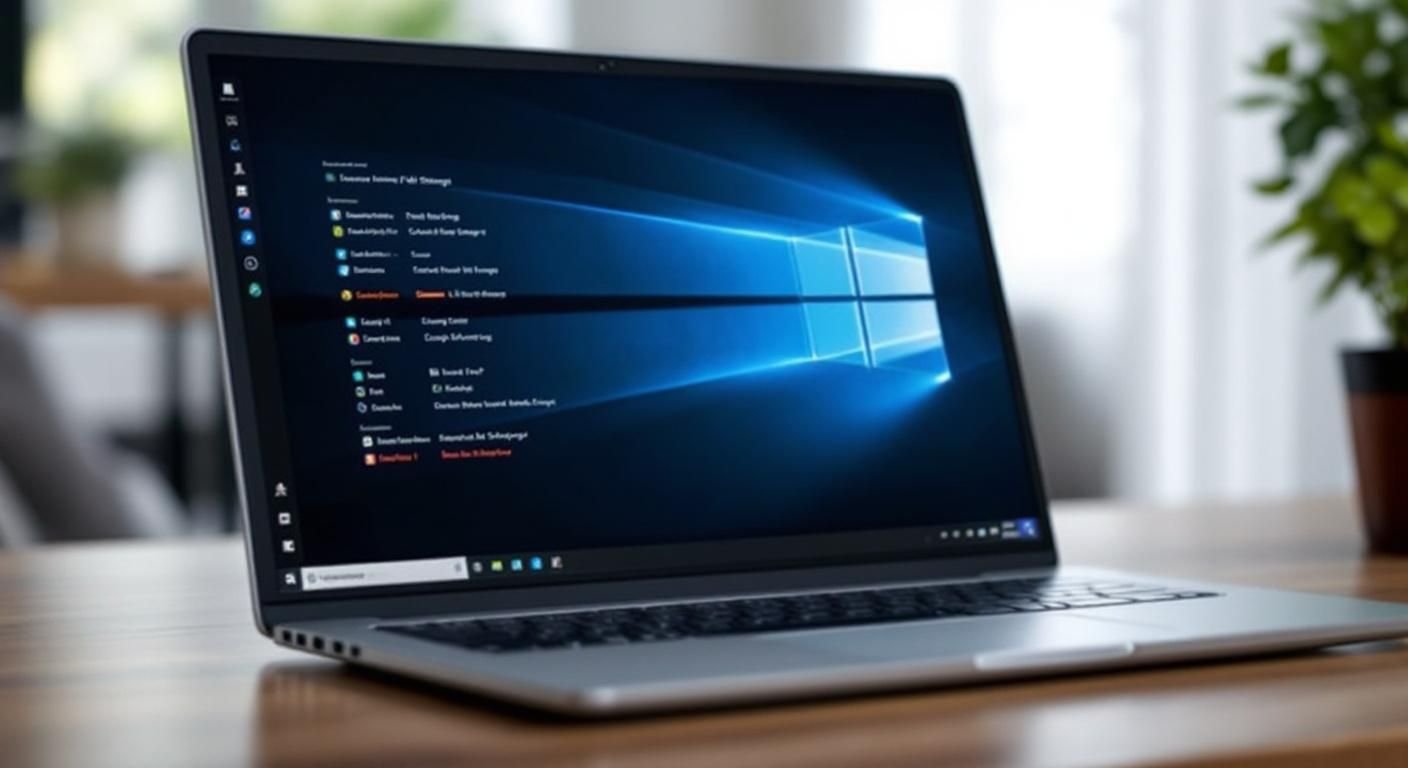
Understanding the Impact of Full Storage on Laptop Performance
When a laptop’s storage is nearly full, its performance can significantly decline. This occurs because operating systems require free space for virtual memory, temporary files, and caching processes. When the storage is full, the system struggles to find space for these essential functions, leading to slowdowns. Additionally, fragmentation can occur, where files are split into pieces, making it harder for the system to retrieve them quickly. These factors contribute to the sluggishness experienced by users with full storage.
Virtual Memory and Swap Files
Operating systems use part of the hard drive as virtual memory when RAM runs low. If your storage is full, the system cannot allocate space for swap files, resulting in slower performance. This is particularly evident during multitasking or running memory-intensive applications.
File Fragmentation
When files are saved, they can become fragmented across the disk. If your storage is nearly full, the operating system has a harder time retrieving these fragmented files, causing delays. Regular defragmentation can help improve performance, but it requires sufficient free space to be effective.
💡 Regularly monitor storage usage to prevent slowdowns
💡 Consider using cloud storage for less frequently accessed files
Practical Solutions to Optimize Laptop Performance
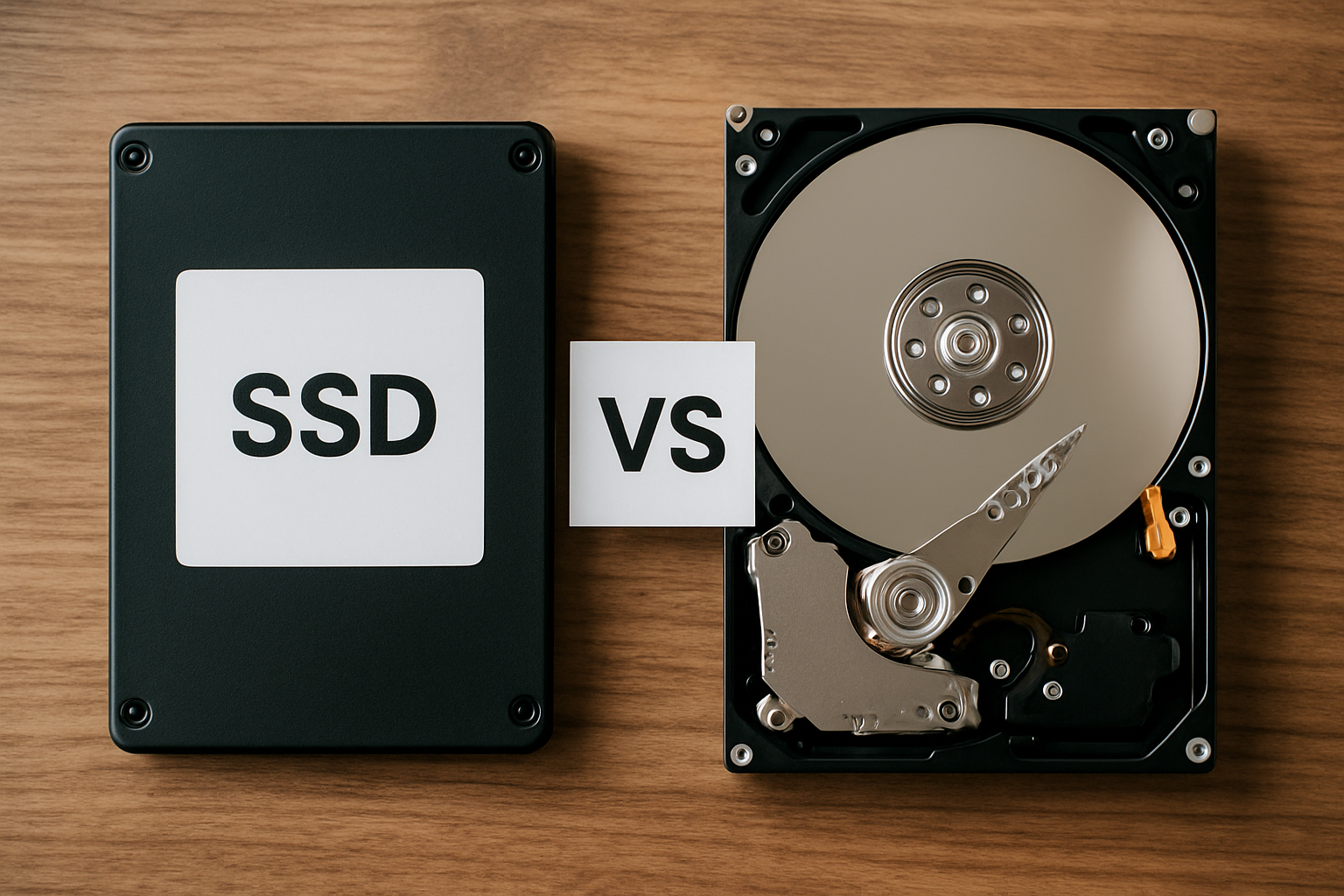
To tackle the issue of slow performance due to full storage, users can implement several strategies. First, deleting unnecessary files and applications can free up space. Next, utilizing disk cleanup utilities can help remove temporary files and system caches. Additionally, upgrading storage by switching to a larger SSD or HDD can offer a long-term solution for performance improvement.
Deleting Unnecessary Files
Start by identifying large files or applications that you no longer need. Use file management tools to sort files by size, making it easier to locate and delete unnecessary content. Regularly cleaning your storage can help maintain optimal performance.
Using Disk Cleanup Utilities
Most operating systems come with built-in disk cleanup tools that can help remove temporary files, recycle bin contents, and system caches. Running these utilities on a regular basis can help you reclaim valuable storage space and improve performance.
💡 Schedule regular storage cleanups to maintain performance
💡 Consider regular backups to external drives or cloud to free up space
EXPERT TIPS Pro Advice
Monitor storage habits
Keeping a close watch on how you use storage helps in identifying patterns and preventing full storage scenarios.
Utilize cloud solutions
Storing files in the cloud can free up local storage and improve laptop performance while providing access from anywhere.
Regularly update your OS
System updates often include optimizations and improvements that can help manage storage and performance.
Consider upgrading hardware
If slow performance persists, upgrading your hard drive to a larger or faster SSD can provide a significant boost.
Defragment regularly
If you have a traditional HDD, defragmenting can help improve access speeds, especially if storage is nearing capacity.
Frequently Asked Questions
Conclusion
Slow performance in laptops with full storage is a common issue that can significantly affect user experience. Regularly checking storage usage, deleting unnecessary files, and maintaining adequate free space are essential practices. These steps can help improve speed, efficiency, and overall functionality.
🎯 Key Takeaways:
- Full storage can slow down laptop performance.
- Regularly check and manage your storage usage.
- Delete unnecessary files to free up space.
- A full drive can affect battery life and cause freezes.
- Perform storage maintenance every few months.
Expert Advice: Stay proactive about managing your laptop’s storage. Regular maintenance can prevent slowdowns and ensure your device runs smoothly, providing a better computing experience.
Take a moment to check your laptop’s storage today and start organizing your files for improved performance.





Leave a Reply