Are you confused about the difference between Zigbee and WiFi smart home systems? You’re not alone. With the rise of smart home technology, homeowners often struggle to choose the right communication protocol for their devices. Zigbee and WiFi each have unique features that cater to different needs and preferences. As an expert in smart home solutions, I will guide you through the critical distinctions between these two systems. You’ll learn how they work, their advantages and disadvantages, and which might be the best fit for your home automation setup. By the end of this article, you’ll be equipped with the knowledge to make an informed decision for your smart home.
Understanding Smart Home Protocols
Smart home technology relies on various communication protocols to connect devices, with Zigbee and Wi-Fi being two of the most popular. Zigbee is a low-power, low-data-rate wireless standard designed for small, battery-operated devices. It operates on a mesh networking principle, allowing devices to communicate with each other over greater distances while conserving energy. In contrast, Wi-Fi is a high-speed, higher-power connectivity option typically used for more robust applications like video streaming and internet access. Understanding these foundational concepts helps homeowners make informed decisions about their smart home setups.
Zigbee Overview
Zigbee is particularly suitable for smart home applications due to its efficiency and ability to connect multiple devices in a home network. It typically operates in the 2.4 GHz band, enabling it to communicate with devices over short distances while maintaining low power consumption. This makes Zigbee ideal for sensors, lights, and other smart devices that require long battery life and reliable connectivity.
Wi-Fi Overview
Wi-Fi, on the other hand, provides higher bandwidth and is capable of supporting data-intensive applications. It works on several frequency bands, including 2.4 GHz and 5 GHz, allowing for faster internet connections and broader coverage. However, Wi-Fi devices often require more power, which can be a disadvantage for battery-operated smart home devices.
Key Points:
- Zigbee is energy-efficient and designed for small devices
- Wi-Fi offers high-speed connectivity for data-heavy applications
Comparing Zigbee and Wi-Fi for Smart Homes
When evaluating the difference between Zigbee and Wi-Fi for smart homes, several factors come into play, including range, power consumption, and device compatibility. Zigbee’s mesh networking allows devices to relay signals, extending the range of the network, while Wi-Fi typically relies on a central router for connectivity. Understanding these differences can help homeowners choose the right technology based on their specific needs and existing infrastructure.
Range and Coverage
Zigbee’s mesh network can cover larger areas by allowing devices to act as repeaters, enhancing signal strength throughout the home. This is particularly beneficial in larger homes or spaces with obstacles. In contrast, Wi-Fi coverage depends on the router’s range, and signal strength can diminish significantly with distance or through walls.
Power Consumption Considerations
Zigbee is designed for low power usage, making it ideal for battery-operated devices, which can last years without needing a replacement. Wi-Fi, however, consumes more power, making it less suitable for devices that cannot be plugged in. This factor is crucial for selecting devices that will be used long-term in a smart home environment.
Key Points:
- Zigbee allows for greater range through mesh networking
- Wi-Fi consumes more power, impacting battery-operated devices
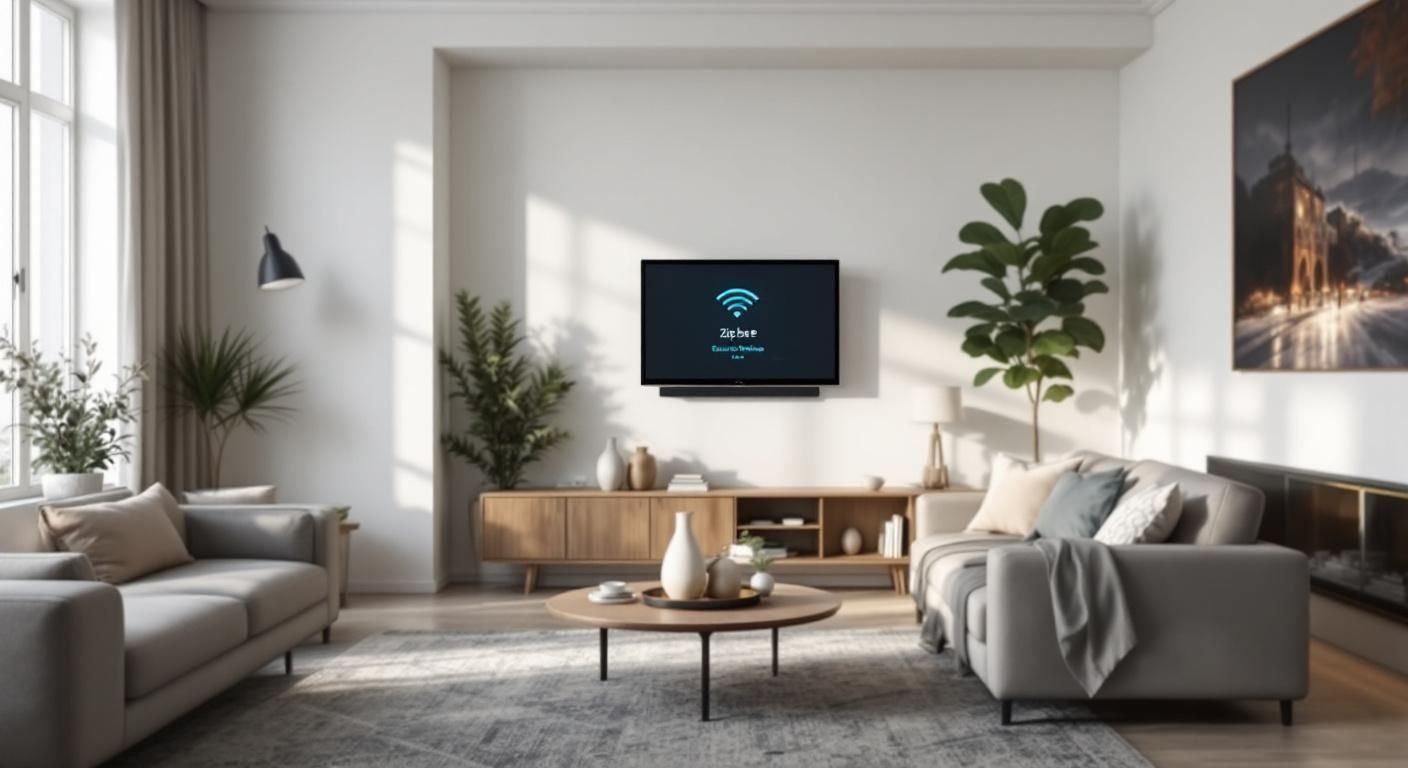
Understanding the Basics of Zigbee and Wi-Fi
Zigbee and Wi-Fi are both wireless communication technologies, but they serve different purposes in smart home applications. Zigbee is designed for low-power, low-bandwidth devices, making it ideal for sensor networks and automation tasks. In contrast, Wi-Fi supports higher bandwidth, suitable for streaming and connecting multiple devices simultaneously. Understanding these differences is crucial for choosing the right technology for your smart home ecosystem, as they influence device compatibility, network range, and energy consumption.
Key Features of Zigbee
Zigbee operates on the IEEE 802.15.4 standard and is optimized for low-power, low-data-rate applications. It supports mesh networking, allowing devices to relay information to extend range and improve reliability. Zigbee is commonly used for devices like smart sensors, light switches, and thermostats, making it perfect for home automation where devices are often in standby mode.
Key Features of Wi-Fi
Wi-Fi utilizes the IEEE 802.11 standards and offers high-speed internet connectivity, making it ideal for video streaming, online gaming, and high-bandwidth applications. While it requires more power than Zigbee, it supports a wide range of devices, including computers, smart TVs, and security cameras. The extensive bandwidth of Wi-Fi allows for seamless data transmission across multiple devices.
Key Points:
- Zigbee is ideal for low-power smart devices.
- Wi-Fi supports high-bandwidth devices and applications.
💡 Evaluate your smart home needs to determine whether low-power Zigbee or high-bandwidth Wi-Fi is more suitable.
Practical Applications in Smart Homes
The choice between Zigbee and Wi-Fi in smart homes often boils down to specific use cases and the desired network environment. Zigbee excels in scenarios requiring numerous devices with low power consumption, such as sensor networks in security or automated lighting systems. Wi-Fi, on the other hand, is beneficial for applications that demand high data transfer rates, such as smart cameras or streaming devices. Understanding these applications can help homeowners optimize their smart home setups.
When to Use Zigbee
Zigbee is best suited for environments that prioritize energy efficiency and where devices are frequently in low-power states. Ideal applications include smart lighting systems, home security sensors, and environmental monitoring devices. The mesh network feature also makes it suitable for larger homes, ensuring stable connections across distant devices.
When to Use Wi-Fi
Wi-Fi is preferable for devices that require constant connectivity and high data rates, such as smart speakers, streaming devices, and security cameras. These devices benefit from Wi-Fi’s higher bandwidth, ensuring smooth operation without interruptions. Consider Wi-Fi when you have fewer devices or require video streaming capabilities in your smart home.
Key Points:
- Zigbee is ideal for energy-efficient applications.
- Wi-Fi is better for high-bandwidth needs.
💡 Assess the number of devices and their functionality to decide between Zigbee and Wi-Fi.
EXPERT TIPS Pro Advice
Consider Future Scalability
Think about your smart home’s future growth. Zigbee’s mesh network allows for easy expansion without overwhelming the Wi-Fi network, which can become congested with too many devices.
Evaluate Your Home Layout
The layout of your home can influence your choice. Zigbee’s mesh networking can cover larger areas effectively, while Wi-Fi may struggle in homes with many walls or floors.
Monitor Bandwidth Usage
Keep an eye on how much bandwidth your Wi-Fi devices consume. If streaming and gaming are affected, consider switching lower-priority devices to Zigbee.
Test Device Compatibility
Before committing to a technology, ensure that your existing devices are compatible with either Zigbee or Wi-Fi to avoid connectivity issues.
Prioritize Security
Understand the security implications of each technology. Regularly update firmware on Wi-Fi devices and ensure Zigbee devices are correctly configured to avoid vulnerabilities.
Frequently Asked Questions
Conclusion
Understanding the difference between Zigbee and Wi-Fi is crucial for optimizing your smart home setup. Zigbee excels in energy efficiency and connectivity, while Wi-Fi provides high-speed internet access. Choosing the right protocol depends on your specific needs for device performance and network capacity.
🎯 Key Takeaways:
- Zigbee is ideal for low-power, battery-operated devices.
- Wi-Fi offers high-speed internet access but consumes more power.
- Zigbee supports a vast number of devices in a network.
- Integration between Zigbee and Wi-Fi is possible through hubs.
- Choosing between them depends on specific use cases and device needs.
Expert Advice: Consider your smart home usage patterns and device types when selecting between Zigbee and Wi-Fi. Understanding these protocols will help you create a more efficient and reliable smart home environment.
Evaluate your smart home requirements and explore the best options for your unique setup.




Leave a Reply