
Are you considering upgrading your home with smart lighting but unsure about the difference between wired and wireless smart lights? With the rise of technology in home automation, understanding these two options can significantly impact your experience and satisfaction. Wired smart lights offer reliability and consistent performance, while wireless options provide flexibility and ease of installation. In this article, we will delve into the key distinctions between these two types of smart lighting solutions. You’ll learn about their benefits and drawbacks, installation processes, and how to choose the best option for your home. By the end, you’ll be well-equipped to make an informed decision that enhances your living space.
Understanding Smart Lighting Technology
Smart lighting technology has revolutionized the way we approach home illumination. At its core, smart lighting refers to lights that can be controlled remotely, usually via a smartphone app or voice commands. The two primary categories of smart lights are wired and wireless, each with distinct features and functionalities. Understanding these differences is crucial for homeowners looking to enhance their living spaces with modern lighting solutions. Wired smart lights are directly connected to your home’s electrical system, offering consistent power and reliability. In contrast, wireless smart lights communicate through Wi-Fi or Bluetooth, allowing for more flexibility in installation and placement.
Defining Wired Smart Lights
Wired smart lights are integrated into your home’s electrical wiring. This means they require a more complex installation process, often involving an electrician. Once installed, they provide a stable and uninterrupted power source, reducing the risk of connectivity issues. Wired systems can also support more advanced features, such as dimming capabilities and integration with other hardwired home automation systems, making them ideal for users seeking robust performance.
Defining Wireless Smart Lights
Wireless smart lights operate without direct connection to the electrical wiring. They typically use Wi-Fi, Bluetooth, or Zigbee protocols to connect to a smart hub or directly to your smartphone. The installation is relatively straightforward, requiring only a light fixture and an internet connection. This flexibility allows homeowners to easily reposition lights or add new fixtures without significant renovations, catering to those who prioritize ease of use and adaptability.
Key Points:
- Smart lights enhance home automation and convenience.
- Wired systems provide reliability, while wireless offers flexibility.
Comparing Benefits and Limitations
When considering the difference between wired and wireless smart lights, it’s essential to evaluate their benefits and limitations. Wired systems excel in reliability and permanence, making them suitable for long-term installations. They often support more advanced features and are less prone to interference. Conversely, wireless smart lights provide significant advantages in terms of ease of installation and versatility, allowing for quick modifications without extensive electrical work. However, they may experience connectivity issues depending on the home’s Wi-Fi strength and the layout, which can affect functionality.
Advantages of Wired Smart Lights
Wired smart lights offer several advantages, including enhanced reliability and better performance in terms of connectivity. Since they are hardwired, users can expect fewer interruptions in service. Moreover, these systems often support advanced features like dimming and color control, which can integrate seamlessly with other wired systems in a smart home environment, providing a comprehensive solution for tech-savvy users.
Advantages of Wireless Smart Lights
The primary advantage of wireless smart lights is their ease of installation and flexibility. Homeowners can install and reposition them with minimal effort, making them ideal for renters or those who frequently change their home layout. Additionally, wireless smart lights typically come equipped with user-friendly apps that allow for remote control and scheduling, promoting convenience for everyday use.
Key Points:
- Wired lights offer reliability but require installation expertise.
- Wireless lights provide flexibility but may have connectivity issues.
Understanding Wired Smart Lights
Wired smart lights utilize a physical connection to a power source and often integrate with the home’s electrical system. They are typically more reliable, providing consistent power and not dependent on wireless signals. Installation may require professional help, especially in retrofitting older homes. Wired systems tend to have lower latency, meaning responses to commands are almost instantaneous. They are ideal for permanent fixtures where users prioritize reliability and performance over flexibility.
Installation Process
Installing wired smart lights often involves significant labor. It requires running electrical wires and potentially modifying existing fixtures or installing new ones. Homeowners should consider hiring a licensed electrician to ensure safety and compliance with local codes, especially in complex installations.
Performance and Reliability
Wired systems are less susceptible to interference from other wireless devices or physical barriers, making them more reliable in terms of connectivity. This is particularly important in larger homes where wireless signals may weaken, leading to inconsistent performance.
Key Points:
- Wired smart lights provide reliable power and performance.
- Professional installation may be necessary for safety and efficiency.
💡 Consider the long-term investment of wired systems, as they may offer greater durability and lower maintenance costs compared to wireless options.
💡 Consult with a professional for installation to ensure the system meets safety standards and performs optimally.
Exploring Wireless Smart Lights
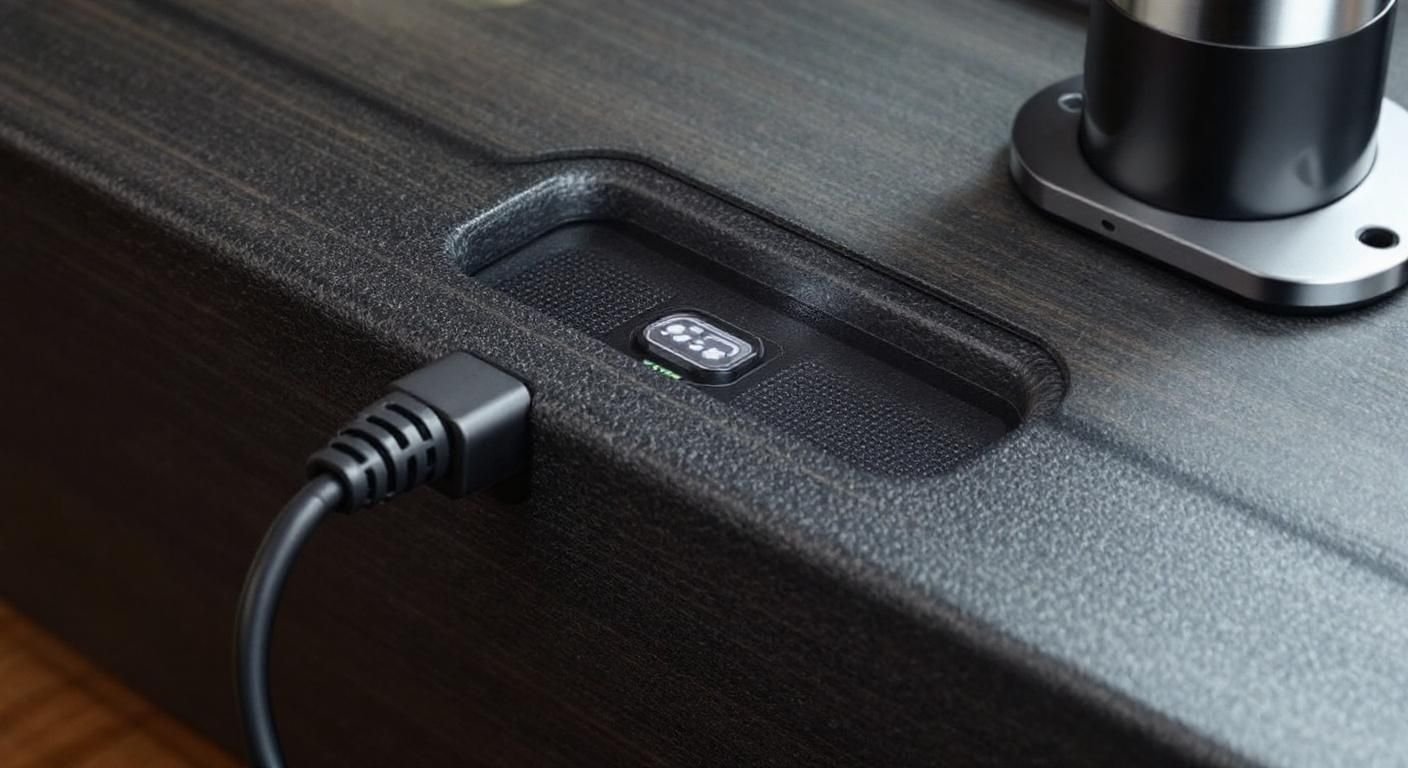
Wireless smart lights operate without physical connections, utilizing Wi-Fi or Bluetooth technology to communicate with smart devices. Their flexibility in placement allows users to easily move them as needed, making them suitable for renters or those who frequently change their home layout. However, wireless lights can be affected by signal interference and range limitations, which may impact performance in larger homes.
Ease of Installation
Wireless smart lights are generally easier to install since they do not require wiring. Most models can be set up by the user in a matter of minutes, simply needing to connect to a Wi-Fi network or sync with a smart hub. This accessibility makes them ideal for DIY enthusiasts.
Flexibility and Portability
Users can easily relocate wireless smart lights to different rooms or areas without the need for rewiring. This adaptability makes them perfect for changing home dynamics, such as accommodating new spaces or temporary setups for events.
Key Points:
- Wireless smart lights offer easy installation and flexibility.
- Signal strength can affect performance, especially in larger homes.
💡 Ensure your Wi-Fi network is robust enough to handle multiple devices to avoid connectivity issues with wireless lights.
💡 Utilize smart hubs to enhance connectivity and extend the range of wireless smart lights throughout your home.
EXPERT TIPS Pro Advice
Evaluate your lifestyle needs before choosing a system.
Understanding your living situation helps determine whether the stability of wired or the flexibility of wireless lighting fits your needs best.
Consider future-proofing your home with integrated smart lighting.
Building a wired system may be more beneficial in the long run, especially as smart home technology continues to evolve and expand.
Regularly update your wireless devices.
Keeping firmware up-to-date ensures optimal performance and security for your wireless smart lights.
Frequently Asked Questions
Conclusion
Understanding the difference between wired and wireless smart lights is crucial for making an informed choice. Wired lights provide stability and reliability, while wireless options offer flexibility and ease of installation. Assess your needs, installation preferences, and technological compatibility before deciding.
🎯 Key Takeaways:
- Wired smart lights offer stability and reliability.
- Wireless smart lights provide flexibility in installation.
- Installation of wired lights often requires professionals.
- Both wired and wireless options can coexist in a smart home.
- Consider your specific needs and the environment when choosing.
Expert Advice: Evaluate your home’s setup, lifestyle, and specific lighting needs to choose between wired and wireless smart lights. Make sure to consider future upgrades and compatibility with smart home systems.
Explore various lighting options available and consider how they can enhance your home’s ambiance and efficiency.




Leave a Reply