Have you ever wondered why does a full drive slow down a computer? It’s a common issue that many users face, leading to frustrating performance lags and delays. In fact, studies show that a drive filled to capacity can significantly impact your system’s speed and efficiency. As an experienced tech expert, I understand the intricacies of how storage affects computing performance. In this article, we will delve into the reasons behind this phenomenon, exploring how a lack of space can hinder your computer’s functionality. You will learn practical tips to mitigate these issues and restore your computer’s optimal performance.
Understanding Drive Space and Performance
A computer’s drive space is crucial for its overall performance. When a drive becomes full, the operating system struggles to locate and manage files effectively. This inefficiency can lead to longer loading times and slower processing speeds. The primary reason for this slowdown is that the system requires free space for temporary files and virtual memory, which are essential for multitasking and running applications smoothly. Therefore, understanding how storage capacity affects performance is vital for maintaining a responsive system.
Role of Free Space in System Performance
Free space on a drive is not just for storing files; it’s essential for system operations. Operating systems use available space for caching and temporary files, which help speed up access to frequently used data. When the drive is full, the system can no longer utilize this space effectively, leading to delays and performance bottlenecks.
Fragmentation and Its Impact
A full drive often leads to file fragmentation, where files are stored in non-contiguous sectors. This fragmentation forces the read/write head of the drive to move more, increasing the time it takes to access data. The result is a noticeable decrease in performance, especially during tasks such as booting up or opening applications.
Key Points:
- Free space is essential for system efficiency
- Fragmentation can significantly slow down access times
The Consequences of a Full Drive
When a drive reaches its capacity, several consequences arise that can severely impact computer performance. Beyond simple slowdowns, a full drive can lead to application crashes, system errors, and even data loss. This section explores how these issues manifest and the importance of monitoring drive space to prevent them from occurring.
Application Performance and Crashes
Many applications require a certain amount of free space to function properly. When this space is unavailable, applications may freeze, crash, or fail to open altogether. This can be particularly frustrating for users who rely on specific software for their work or personal use, highlighting the importance of regular drive maintenance.
System Errors and Instability
A full drive can lead to system errors that compromise stability. For instance, the operating system might struggle to allocate memory, resulting in unexpected shutdowns or blue screen errors. These issues can disrupt workflows and cause data loss, making it crucial to keep drive space manageable.
Key Points:
- Full drives lead to application instability
- System errors can result from insufficient drive space
Understanding Drive Capacity and System Performance
A full drive can significantly hinder computer performance due to various factors. When a drive reaches near capacity, the operating system struggles to find contiguous space for operations, causing delays. The hard drive’s read/write heads must work harder, increasing latency and access times. Additionally, temporary files and system caches require space to function optimally, and a full drive limits this functionality, resulting in a sluggish experience.
Disk Fragmentation Effects
As files are written and deleted from a drive, they can become fragmented, meaning pieces of the same file are stored in different locations. A full drive exacerbates this issue, as the operating system cannot easily allocate contiguous free space. This leads to longer access times, as the read/write heads need to move to multiple locations to retrieve a single file.
Impact on Virtual Memory
Modern operating systems use a portion of the drive as virtual memory to supplement RAM. When the drive is full, there’s insufficient space for paging, leading to decreased performance. This situation forces the system to rely heavily on physical RAM, which can quickly become a bottleneck during resource-intensive tasks.
Key Points:
- Full drives limit available space for system operations.
- Fragmentation increases access times, slowing performance.
💡 Regularly monitor drive usage to prevent capacity issues.
💡 Consider defragmenting your hard drive if using traditional HDDs.
💡 Clear out temporary files and unused applications frequently.
Symptoms and Solutions for a Slow Computer Due to Full Drives
When a computer slows down due to a full drive, users may notice frequent freezing, sluggish application launches, or even crashes. These symptoms arise from the inability of the system to manage files and processes efficiently. Identifying the root cause is crucial for implementing effective solutions. Regular maintenance and monitoring can improve performance significantly.
Identifying Drive Issues
To determine if a full drive is the cause of sluggishness, check drive space through system settings. If it is above 80% capacity, performance issues are likely. Additionally, use built-in diagnostics tools to analyze disk health and fragmentation, which can provide insights into the drive’s performance state.
Practical Solutions to Free Up Space
To alleviate performance problems, start by uninstalling unused applications and deleting large files that are no longer needed. Using built-in disk cleanup tools can also help remove temporary files. Consider moving files to external storage to free up space without losing important data.
Key Points:
- System performance significantly degrades when drive is over 80% full.
- Regular maintenance can prevent performance issues caused by full drives.
💡 Use disk cleanup tools regularly to manage file storage.
💡 Back up and delete large media files that are not frequently accessed.
💡 Utilize cloud storage for files that are rarely used but need to be kept.
EXPERT TIPS Pro Advice
Monitor Disk Space Regularly
Keeping an eye on your disk usage helps prevent slowdowns before they occur. Set reminders to check disk space monthly to avoid performance drops.
Defragment for HDDs
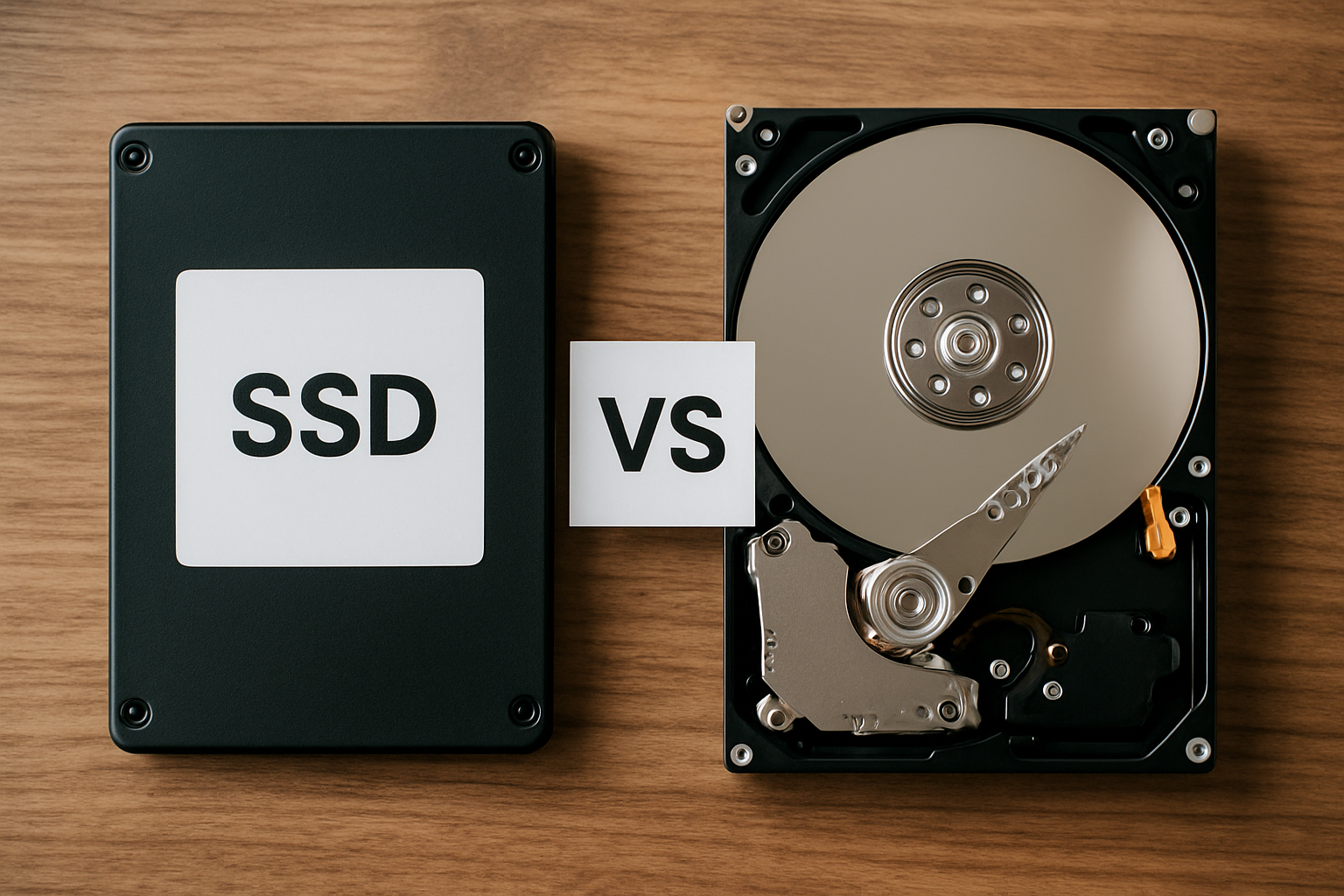
If using an HDD, defragmenting can reorganize fragmented files, speeding up access times. This is less crucial for SSDs but can greatly benefit traditional drives.
Use Cloud Services for Backups
Storing files in the cloud not only frees up local drive space but also provides a backup in case of drive failure, maintaining both performance and data safety.
Optimize Virtual Memory Settings
Adjusting virtual memory settings in system properties can help your computer manage resources better, especially if your drive is nearing capacity.
Regularly Clear Cache and Temp Files
Frequent clearing of cache and temporary files can prevent unnecessary space usage, ensuring that your system has the resources it needs for optimal performance.
Frequently Asked Questions
Conclusion
A full drive can severely impact your computer’s performance by limiting space for temporary files and virtual memory. Regularly checking storage, freeing up space, and considering drive upgrades are essential steps to maintain optimal system functionality and responsiveness.
🎯 Key Takeaways:
- A full drive restricts performance by limiting available storage.
- Free disk space is vital for system efficiency and updates.
- Regular maintenance can help prevent slowdowns.
- Upgrading to larger or faster drives can enhance speed.
Expert Advice: To keep your computer running smoothly, regularly monitor your drive’s storage and perform maintenance tasks. This proactive approach will ensure optimal performance and a more enjoyable computing experience.
Take a moment to check your drive’s storage today and implement strategies to free up space and improve your computer’s performance.



Leave a Reply