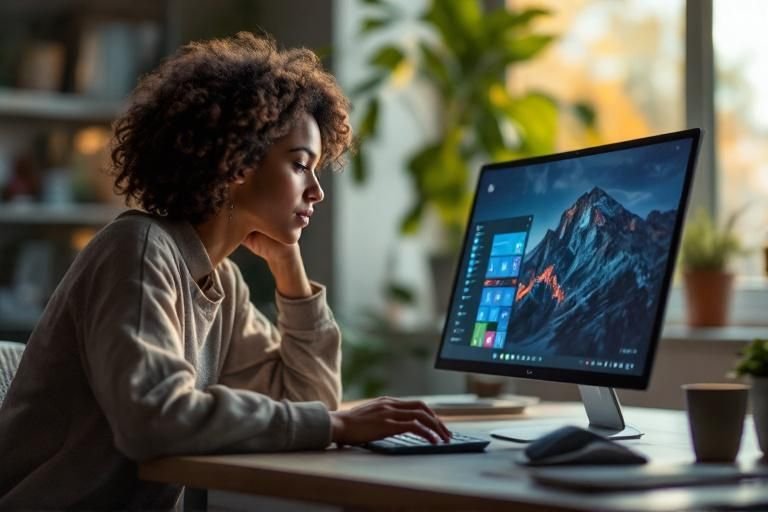
Have you ever wondered why do some computers feel faster with same specs compared to others? It’s a common experience that can leave users puzzled, especially when two machines boast identical hardware configurations. Factors such as software optimization, operating system efficiency, and user experience can significantly affect how responsive and speedy a computer seems in everyday tasks. In this article, we will explore the underlying reasons that contribute to perceived speed differences, helping you understand what makes one computer feel snappier than another. By the end, you’ll gain valuable insights into improving your own computer’s performance, regardless of its specifications.
Understanding Perceived Speed vs. Actual Performance
When examining why some computers feel faster despite having the same specifications, it’s essential to distinguish between perceived speed and actual performance. Perceived speed refers to how responsive a system feels to users, while actual performance is measured by hardware capabilities. Factors like operating system optimization and user interface design can significantly influence perceived speed, even when the hardware is identical. For instance, a well-optimized operating system can streamline processes and reduce latency, creating a sense of speed that may not reflect in benchmarks.
Operating System Optimization
An optimized operating system can enhance responsiveness and speed. Systems that manage resources efficiently, prioritize tasks effectively, and minimize background processes can significantly improve user experience. Even with the same hardware, an OS that is lighter or better tuned can make a computer feel faster.
User Interface and Experience Design
The design of a user interface plays a crucial role in perceived speed. Interfaces that are intuitive and responsive can create an illusion of speed. For example, animations and transitions that are smooth can make interactions feel more fluid, even if the underlying processing power is the same.
Key Points:
- Perceived speed differs from actual performance
- OS optimization can enhance user experience
💡 Consider the role of the operating system in performance
💡 Evaluate user interface design for responsiveness
Hardware Factors Beyond Specifications
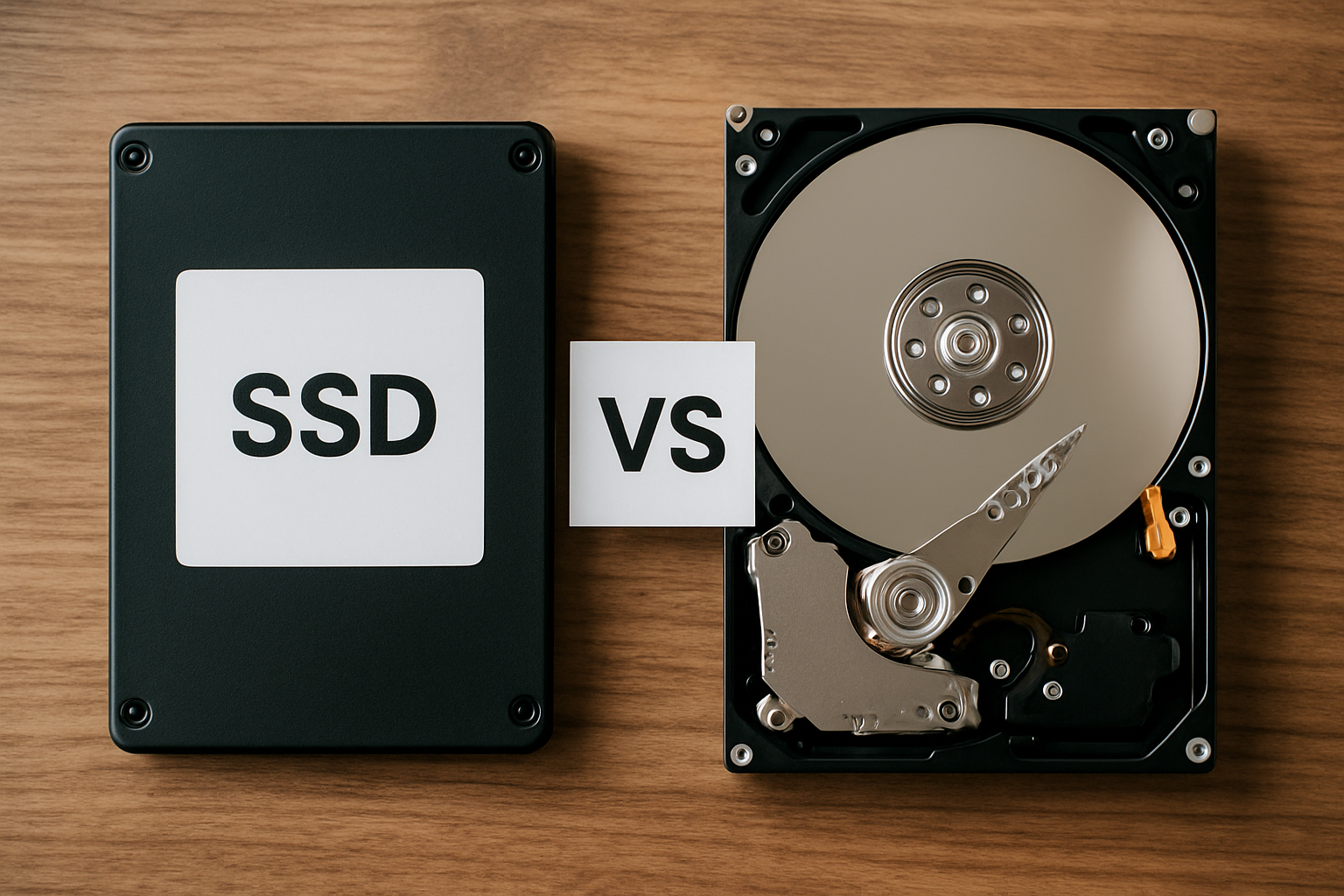
Even with identical specifications, several hardware factors can influence the overall experience of speed. These can include storage type, thermal management, and peripheral connections. For instance, solid-state drives (SSDs) can vastly improve loading times compared to traditional hard drives. Additionally, proper thermal management ensures consistent performance by preventing throttling, which can affect speed during intensive tasks. Understanding these factors helps demystify why some computers feel faster than others despite similar specifications.
Storage Types and Their Impact
The type of storage used in a computer greatly influences its speed. SSDs, for instance, provide much faster data access times than HDDs, leading to quicker boot and load times. This difference can be felt significantly during everyday tasks, making one computer feel faster than another with the same specs but different storage types.
Thermal Management and Performance Throttling
Effective thermal management is crucial for maintaining optimal performance levels. When computers overheat, they may throttle performance to prevent damage, resulting in slower responses. This means that a machine with superior cooling solutions may feel significantly faster than another with the same specs but inadequate cooling.
Key Points:
- Storage type affects speed perception
- Thermal management is key to consistent performance
💡 Prioritize SSDs for faster data access
💡 Ensure effective cooling to maintain performance
Understanding Perception of Speed
The perception of speed in computers often differs despite having the same specifications. This discrepancy can stem from various factors, including software optimizations, user interface design, and system maintenance. Users may perceive one machine as faster if it operates more smoothly or has less lag, even when hardware is identical. This section explores the psychological and technical reasons behind these perceptions.
Software Optimizations
Software plays a crucial role in how fast a computer feels. An operating system that is well-optimized for the hardware can minimize resource usage and increase responsiveness. Background processes, malware, or unnecessary applications can slow down perceived speed, so regular updates and decluttering are essential.
User Interface Design
The design of the user interface can also impact perceived speed. A clean, intuitive interface with fewer animations and transitions can make interactions feel faster. Additionally, systems that allow for quick access to frequently used applications can enhance the overall user experience, contributing to a sensation of speed.
System Maintenance
Regular maintenance, such as disk cleanups, defragmentation, and updates, can significantly affect performance. A well-maintained system will run smoother and respond quicker to commands, enhancing the user’s perception of speed compared to a poorly maintained counterpart.
Key Points:
- Perception of speed is influenced more by software than hardware.
- User experience design can significantly enhance perceived performance.
💡 Regularly optimize your operating system to ensure it runs efficiently; this can drastically improve perceived speed.
💡 Limit startup programs to reduce lag when booting, allowing the system to feel faster right from the start.
💡 Clean your desktop and organize files; a clutter-free environment contributes to a more efficient workflow.
Hardware Factors Beyond Specs
While computers may share the same specifications, underlying hardware factors can lead to differences in performance. Elements such as storage type, cooling systems, and even the age of components can affect how fast a computer feels. Understanding these nuances is essential for optimizing performance, even with similar specs.
Storage Type
The type of storage can greatly influence speed perception. Solid State Drives (SSDs) offer faster read and write speeds compared to traditional Hard Disk Drives (HDDs). Even if two computers have the same CPU and RAM, the one with an SSD will feel more responsive due to quicker data access times.
Cooling Systems
Effective cooling systems can prevent thermal throttling, where processors slow down due to heat. If one computer has superior cooling, it can maintain higher performance levels longer, making it feel faster during intensive tasks, even if both machines have identical specs.
Component Age and Wear
The age and condition of components can impact performance. Older parts may not function as efficiently due to wear and tear, leading to slower response times. Regular upgrades or replacements can help maintain speed parity, even when specs appear similar.
Key Points:
- Storage technology plays a critical role in perceived speed.
- Cooling systems and component age significantly affect performance.
💡 Consider upgrading to an SSD for faster boot and load times, significantly enhancing your experience.
💡 Invest in quality cooling solutions to maintain optimal performance and prevent overheating.
💡 Regularly assess the condition of your hardware; proactive replacements can prevent slowdowns.
EXPERT TIPS Pro Advice
Optimize your operating system settings.
Tuning system settings for performance can lead to noticeable improvements in responsiveness and speed.
Implement regular maintenance routines.
Routine checks and cleanups can prevent performance degradation over time, keeping your system feeling fast.
Use lightweight applications where possible.
Choosing programs that are less resource-intensive can lead to a snappier and more responsive user experience.
Monitor resource usage.
Keeping an eye on CPU, RAM, and disk usage can help identify bottlenecks and improve overall system performance.
Consider virtual memory settings.
Adjusting virtual memory can assist systems with lower RAM, improving multitasking and overall speed.
Frequently Asked Questions
Conclusion
Understanding why some computers feel faster despite identical specifications involves several factors, including operating system efficiency, software optimization, and background processes. Storage type and RAM also play critical roles in perceived performance. Optimizing these aspects can enhance user experience significantly.
🎯 Key Takeaways:
- Operating system efficiency can greatly affect perceived speed.
- Software optimization leads to quicker task execution.
- Background processes can hinder computer performance.
- Storage type, like SSDs, enhances load times.
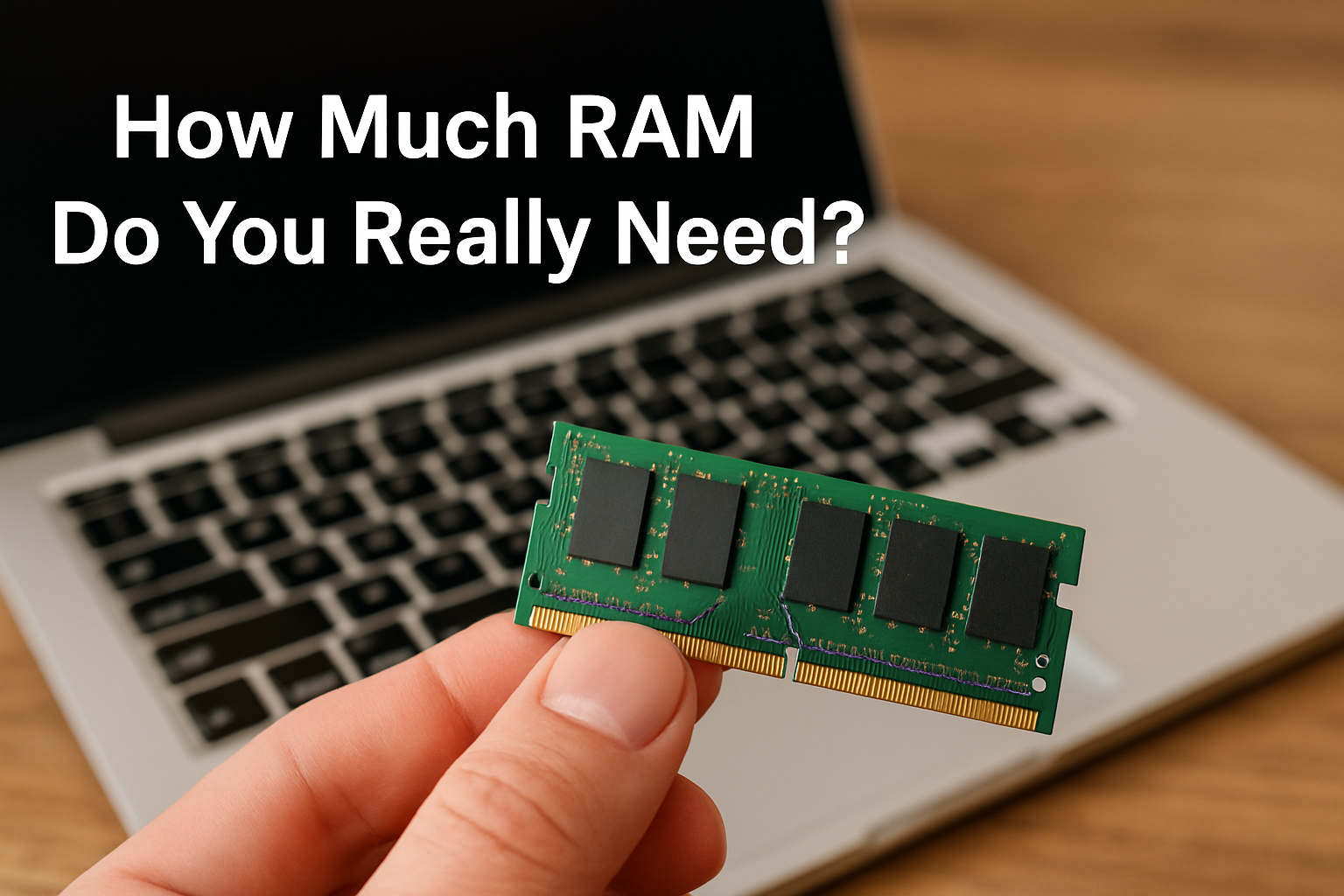
- More RAM improves multitasking and reduces lag.
Expert Advice: To maximize your computer’s performance, focus on optimizing software, managing background processes, and considering hardware upgrades like SSDs or additional RAM, if feasible.
Evaluate your current setup and explore ways to enhance your computer’s performance for a better user experience.



Leave a Reply