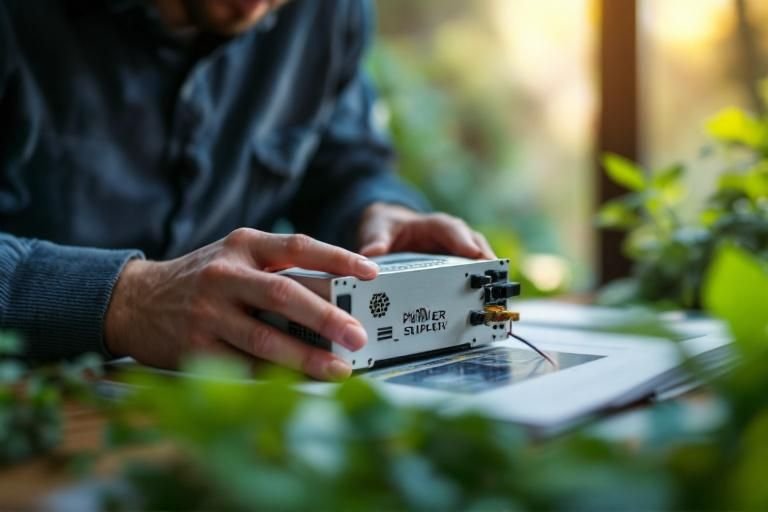
Have you ever wondered why does power supply quality matter for your electronic devices? Poor power supply can lead to malfunctions, reduced efficiency, and even complete failures. In a world increasingly reliant on technology, understanding the significance of power supply quality is crucial for both individuals and businesses. With over 15 years of experience in the field, I will guide you through the intricacies of power supply quality, exploring how it affects performance, longevity, and overall reliability of your devices. By the end of this article, you will have a comprehensive understanding of why investing in quality power supplies is essential for safeguarding your valuable electronics.
Understanding Power Supply Quality
Power supply quality refers to the ability of an electrical supply to deliver voltage and current that meet the requirements of electrical devices. It encompasses a range of factors including voltage stability, frequency accuracy, and the presence of electrical noise. Poor power supply quality can lead to equipment malfunctions, increased wear and tear, and even premature failure. By understanding the nuances of power supply quality, individuals and organizations can take steps to ensure their devices operate efficiently and safely.
The Importance of Voltage Stability
Voltage stability is crucial for the proper functioning of electrical devices. Fluctuations in voltage can lead to overheating, reduced efficiency, and potential damage to sensitive components. Maintaining consistent voltage levels ensures that devices receive the power they need to operate correctly, minimizing downtime and repair costs.
Frequency and Its Impact on Equipment
Frequency refers to the number of cycles per second of the electrical current supplied. Deviations from the standard frequency can disrupt the timing and performance of devices, particularly in motors and timing circuits. Maintaining the correct frequency is vital for optimal functioning and longevity of equipment.
Key Points:
- Power supply quality directly impacts device performance and lifespan.
- Voltage stability and frequency accuracy are critical factors in power quality.
Consequences of Poor Power Supply Quality
The ramifications of poor power supply quality can be severe, affecting not only individual devices but entire systems. Equipment may experience unexpected shutdowns, data corruption, and unplanned maintenance, all of which can lead to significant financial losses. Additionally, the strain on electrical systems can result in higher energy costs as devices work harder to compensate for inadequate power quality.
Equipment Malfunction and Downtime
Malfunctioning equipment is one of the most immediate consequences of poor power supply quality. Devices may not operate as intended, leading to increased downtime which can disrupt operations and productivity. This malfunction can also require costly repairs and replacements.
Impact on Energy Costs
Poor power quality can lead to higher energy consumption as devices draw more power to cope with fluctuations. This inefficiency translates into increased energy bills, adding financial strain on businesses and households. Understanding power quality helps in managing energy costs effectively.
Key Points:
- Poor power quality can lead to equipment failure and increased downtime.
- Higher energy costs can result from devices compensating for inadequate power supply.
Understanding Power Supply Quality
Power supply quality refers to the characteristics of electrical power that affect the performance of electrical devices. It includes factors such as voltage stability, frequency stability, and the presence of electrical noise. Poor power supply quality can lead to equipment malfunctions, reduced efficiency, and even damage to sensitive electronics. Understanding these aspects is crucial for maintaining operational reliability and longevity of devices in both industrial and residential settings.
Voltage Stability
Voltage stability indicates how consistently the voltage remains within specified limits. Sudden fluctuations, known as voltage sags or spikes, can cause operational disruptions. Maintaining stable voltage levels is essential for protecting equipment from potential damage and ensuring optimal performance.
Frequency Stability
Frequency stability refers to the consistency of the electrical frequency supplied. Deviations from standard frequency can lead to synchronization issues in machines and motors. Industries relying on precise timing, such as telecommunications, are especially impacted by frequency instability.
Electrical Noise
Electrical noise encompasses unwanted disturbances in the power supply that can interfere with the normal operation of electronic devices. High levels of noise can reduce the performance of sensitive equipment, leading to errors, data loss, or complete failure. Identifying and mitigating noise sources is vital for maintaining power quality.
Key Points:
- Power supply quality affects operational reliability.
- Stable voltage and frequency are critical for equipment performance.
💡 Regularly monitor voltage levels to ensure they stay within acceptable ranges. This can prevent equipment damage and improve operational efficiency.
💡 Use frequency analyzers to detect any deviations in electrical frequency. This proactive approach helps mitigate risks associated with frequency instability.
Impact of Poor Power Supply Quality
The impact of poor power supply quality can be severe, affecting both productivity and financial performance. In industrial settings, equipment malfunctions caused by inadequate power quality can lead to costly downtime and repair costs. In residential contexts, issues like flickering lights or appliance failures can frustrate users and lead to safety hazards. Understanding these implications is vital for businesses and homeowners alike to mitigate risks and enhance safety.
Cost Implications
Poor power supply quality can lead to significant financial losses. Equipment damage, maintenance costs, and production downtime can accumulate quickly. Businesses should consider investing in power quality monitoring systems to identify issues before they escalate into costly problems.
Safety Hazards
Fluctuations in power supply can create safety risks, especially in environments with sensitive equipment. Overvoltage conditions can cause overheating, leading to fires or electrical shock. Implementing safety protocols and monitoring systems can reduce these risks.
Long-term Equipment Longevity
High-quality power supply contributes to the longevity of equipment. Constant stress from poor power conditions can shorten the lifespan of electronic devices. By ensuring a stable power supply, businesses can reduce replacement costs and improve the return on investment.
Key Points:
- Poor power quality leads to financial losses and safety hazards.
- Investing in monitoring systems improves long-term equipment reliability.
💡 Invest in surge protectors to safeguard equipment against voltage spikes. This is a cost-effective measure to enhance device longevity.
💡 Conduct regular power quality assessments to identify and address issues proactively, saving costs on repairs and downtime.
EXPERT TIPS Pro Advice
Implement a power quality management system.
A management system monitors and analyzes power quality, helping identify issues quickly to prevent damage and ensure consistent performance.
Educate staff on the importance of power quality.
Training employees on power quality issues can lead to better operational decisions, minimizing downtime and enhancing safety.
Use redundancy in critical power supply systems.
Implementing backup systems ensures continuous power supply, reducing the risk of equipment failure due to power quality issues.
Frequently Asked Questions
Conclusion
Power supply quality is essential for ensuring the reliability and longevity of electronic devices. High-quality supplies provide stable power, reduce risks of damage, and enhance performance. Investing in a good power supply not only protects devices but also promotes energy efficiency.
🎯 Key Takeaways:
- Stable power supply prevents device malfunctions.
- High-quality supplies enhance performance and longevity.
- Investing in quality reduces long-term costs.
- Regular checks can improve overall power quality.
Expert Advice: Always prioritize power supply quality in your setups to safeguard your equipment and ensure optimal functionality. Regular maintenance and investing in reliable solutions can save you money and hassle in the future.
Assess your current power supply setup and consider improvements to enhance device performance and reliability.



Leave a Reply