Is your laptop taking an eternity to start up? You’re not alone—many users face the frustrating issue of slow boot times. In fact, studies show that nearly 30% of laptop users experience noticeable delays during startup, impacting productivity and user experience. Understanding why your laptop is so slow on startup is crucial for addressing the root causes and enhancing your device’s performance. In this article, you’ll learn about common factors contributing to sluggish startup times, including software conflicts, hardware limitations, and system settings. By the end, you’ll have the knowledge to troubleshoot and implement effective solutions that can significantly improve your laptop’s boot speed.
Understanding Laptop Startup Performance
A slow startup can be a frustrating experience for laptop users. Understanding the underlying reasons for this sluggish performance is crucial. Several factors contribute to a laptop’s slow boot time, including hardware specifications, software configurations, and the overall system health. Evaluating these elements can help pinpoint the cause of the delay and lead to effective solutions. Additionally, regular maintenance practices can significantly enhance startup speed and overall performance. By addressing these issues, users can enjoy a more efficient and responsive laptop experience.
Hardware Limitations
The hardware plays a vital role in determining how quickly a laptop starts up. Older laptops often come with traditional hard drives, which are considerably slower than modern solid-state drives (SSDs). Furthermore, inadequate RAM can hinder system performance, especially if multiple applications are set to launch at startup. Upgrading hardware components can lead to noticeable improvements in startup speed.
Software Conflicts
Software running in the background can significantly impact startup times. Programs that automatically launch during startup can consume valuable system resources. Additionally, outdated software or incompatible applications may create conflicts that slow down the boot process. Regularly reviewing and managing startup programs can help streamline the process.
System Health and Maintenance
A laptop’s overall health is crucial for its startup performance. Fragmented files, excessive temporary files, and malware can all contribute to slower boot times. Regular maintenance, such as disk cleanup and defragmentation, can improve performance. Running antivirus scans is also essential to ensure that malware is not affecting system speed.
Key Points:
- Hardware specifications greatly influence startup speed.
- Managing startup programs can reduce boot times.
- Regular maintenance is essential for optimal system performance.
Common Issues Behind Slow Startup
Identifying specific issues that contribute to slow startup times can help users address the problem effectively. Common issues include excessive startup programs, hardware malfunctions, and outdated drivers. Understanding these common culprits allows users to take targeted action to improve their laptop’s performance. It’s essential to conduct routine checks and address any issues as they arise to maintain a smooth startup experience.
Excessive Startup Programs
Many applications are designed to launch automatically when a laptop starts. While some of these may be necessary, others can be unnecessary and consume system resources. Users can manage startup programs through system settings to disable those that are not essential, leading to faster boot times.
Driver and System Updates
Outdated drivers can cause compatibility issues and slow down the startup process. Regularly checking for and installing updates for system drivers and the operating system can enhance performance. Keeping software up to date ensures optimal functionality and can resolve potential conflicts that slow down boot times.
Hardware Malfunctions
Sometimes, slow startup can be attributed to hardware issues, such as a failing hard drive or insufficient RAM. Running diagnostic tests can help identify these problems early. Replacing failing components or upgrading RAM can lead to significant improvements in startup speed.
Key Points:
- Excessive startup programs can hinder performance.
- Keeping drivers updated is crucial for efficiency.
- Hardware malfunctions may require immediate attention for optimal startup speeds.
Understanding Startup Processes
When a laptop boots up, it goes through several startup processes that can significantly affect its speed. These processes include hardware checks, loading the operating system, and initializing startup applications. If any of these steps take longer than usual, it could lead to a slow startup experience. Understanding how these elements work together allows users to identify potential bottlenecks and measure performance effectively.
Boot Sequence and BIOS Settings
The boot sequence is the order in which the system checks hardware components before loading the operating system. Accessing BIOS settings can reveal options like ‘Fast Boot,’ which can reduce startup time. Adjusting these settings can help prioritize essential components and streamline the boot process.
Operating System Load Times
The operating system itself has a significant impact on startup speeds. Each version has different loading times based on its architecture and underlying processes. Regular updates and clean installations can help optimize load times, ensuring that the laptop starts up as quickly as possible.
Impact of Startup Applications
Many applications are designed to launch automatically during startup, which can slow down the process. By managing these startup applications through system settings, users can reduce the number of programs that run on boot, leading to faster startup times.
Key Points:
- Understanding the boot sequence helps identify potential slowdowns.
- Managing startup applications can lead to significant improvements in speed.
💡 Review and adjust BIOS settings to enable ‘Fast Boot’ for quicker startup.
💡 Regularly update your operating system to improve load times and security.
💡 Limit startup applications to essential programs only to speed up the boot process.
Hardware Factors Affecting Startup Speed
Hardware components play a critical role in determining how quickly a laptop starts up. Key factors include the type of storage drive, RAM capacity, and overall system health. Upgrading certain components can lead to noticeable improvements in startup times, while neglecting hardware maintenance can lead to persistent slowdowns.
Storage Drive Technology
The type of storage drive in a laptop greatly influences startup speed. Solid State Drives (SSDs) are significantly faster than traditional Hard Disk Drives (HDDs). If your laptop uses an HDD, consider upgrading to an SSD to drastically reduce boot times.
RAM Capacity and Usage
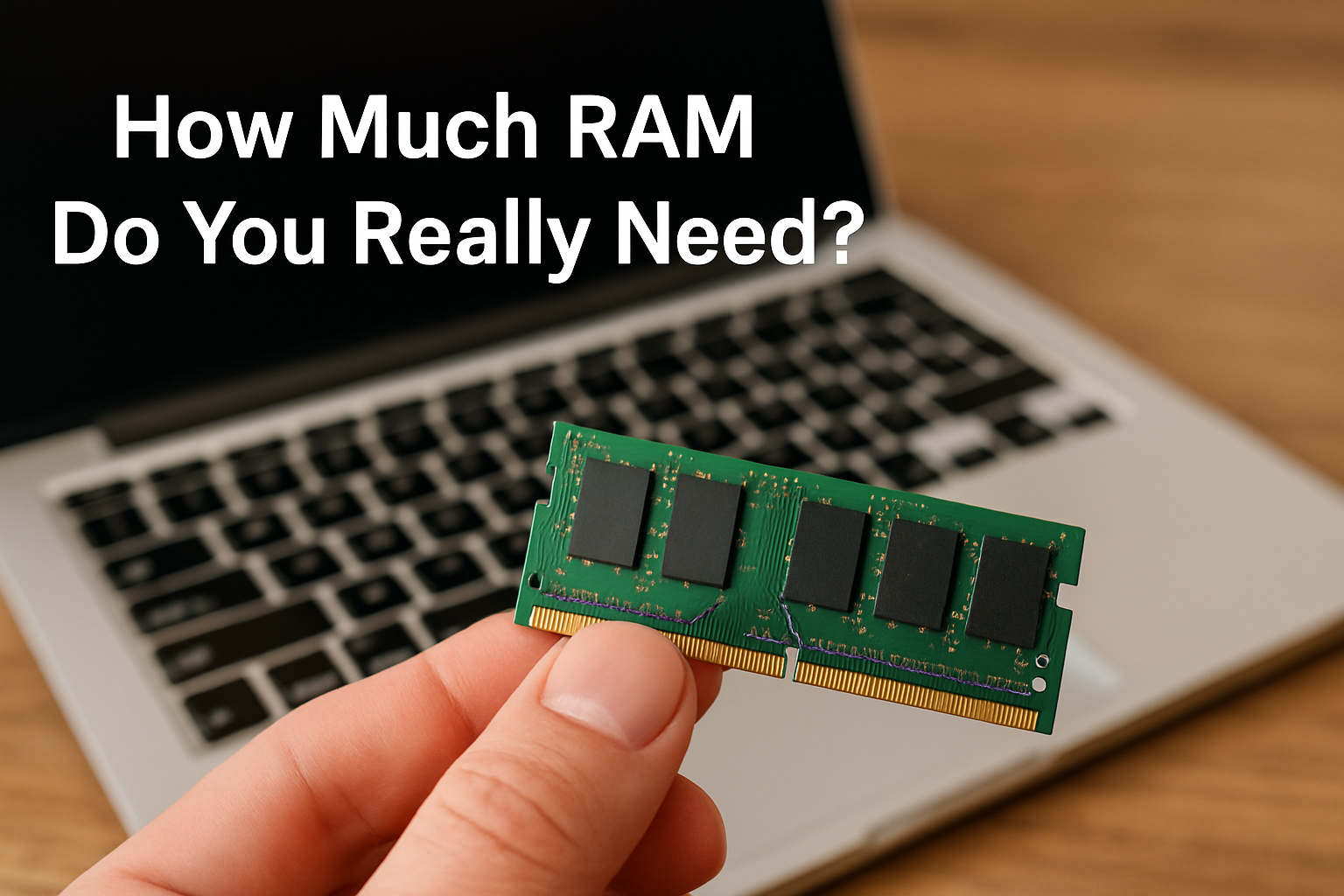
Insufficient RAM can cause a laptop to struggle during startup as it attempts to load the operating system and applications. Upgrading RAM can enhance performance and speed up the boot process, especially if multitasking is common.
Regular Maintenance Practices
Routine maintenance such as disk cleanup and defragmentation (for HDDs) can optimize performance. Regularly checking for hardware issues, like overheating or failing components, is also vital to ensure that hardware doesn’t impede startup speeds.
Key Points:
- Upgrading to SSD can lead to substantial improvements in startup speed.
- Regular maintenance is essential to keep hardware performing optimally.
💡 Upgrade to an SSD for significantly faster boot times compared to HDDs.
💡 Increase RAM capacity if your current usage frequently maxes out available memory.
💡 Perform regular maintenance checks to identify and resolve hardware issues.
EXPERT TIPS Pro Advice
Assess your laptop’s performance regularly.
Regular assessments help you identify slowdowns early, allowing for timely interventions that maintain startup speed.
Consider a clean installation of the operating system.
A clean install can eliminate leftover files and potential software conflicts that slow down startup times.
Monitor system health with built-in diagnostics.
Utilizing diagnostics tools can help identify hardware issues affecting startup speed and guide necessary repairs.
Avoid excessive multitasking during startup.
Minimizing application usage during boot can enhance startup speed and system responsiveness.
Keep the laptop’s cooling system clean.
Overheating can throttle performance; ensuring your laptop stays cool can enhance overall speed and longevity.
Frequently Asked Questions
Conclusion
A slow laptop startup can stem from various factors, including too many startup programs, insufficient RAM, and malware. By optimizing startup settings, upgrading hardware, and maintaining your system, you can significantly improve boot times. Regular checks and updates are essential for sustained performance.
🎯 Key Takeaways:
- Limit startup programs to improve boot speed.
- Upgrade RAM for better multitasking and faster startups.
- Regularly maintain your system with updates and scans.
- Defragment your hard drive if using an HDD.
- Keep your operating system optimized and updated.
Expert Advice: Regular maintenance and monitoring of your laptop’s performance can lead to significant improvements in startup speed. Make it a habit to check for unnecessary programs and system updates to ensure optimal performance.
Take a moment to review your laptop’s startup settings and make adjustments today for a quicker boot tomorrow.