Have you ever wondered what are smart home devices and how they can revolutionize your daily life? As technology advances, the concept of home automation has transitioned from science fiction to reality, allowing homeowners to control various aspects of their living environment with unprecedented ease. With nearly 70% of households expected to adopt smart home technology by 2025, understanding these devices is essential. In this article, we will explore the various types of smart home devices, their benefits, and how they can enhance your home experience. Join us as we delve into the world of connectivity and convenience that these innovative tools bring to your doorstep.
Introduction to Smart Home Devices
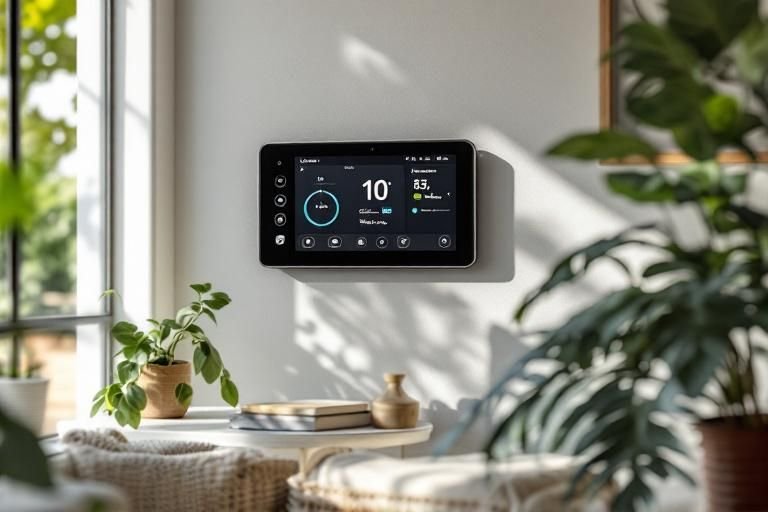
Smart home devices are electronic gadgets that connect to a home network, allowing users to control them remotely via smartphones, tablets, or voice commands. These devices enhance convenience, security, and energy efficiency in everyday living. The integration of smart technology into homes creates an interconnected ecosystem, enabling users to manage their home environment effectively. A wide array of devices, including smart lights, thermostats, and security cameras, are designed to simplify tasks and improve the quality of life. Understanding the basic functions and capabilities of these devices is essential for anyone looking to modernize their living space.
Types of Smart Home Devices
Smart home devices can be categorized into several types based on their functionality. Common categories include smart lighting, where users can adjust brightness and color remotely; smart security systems, which include cameras and alarms; and smart appliances, such as refrigerators and washing machines that can be monitored and controlled via apps. Each category serves a unique purpose, making it easier for homeowners to select devices that meet their specific needs.
How Smart Home Devices Work
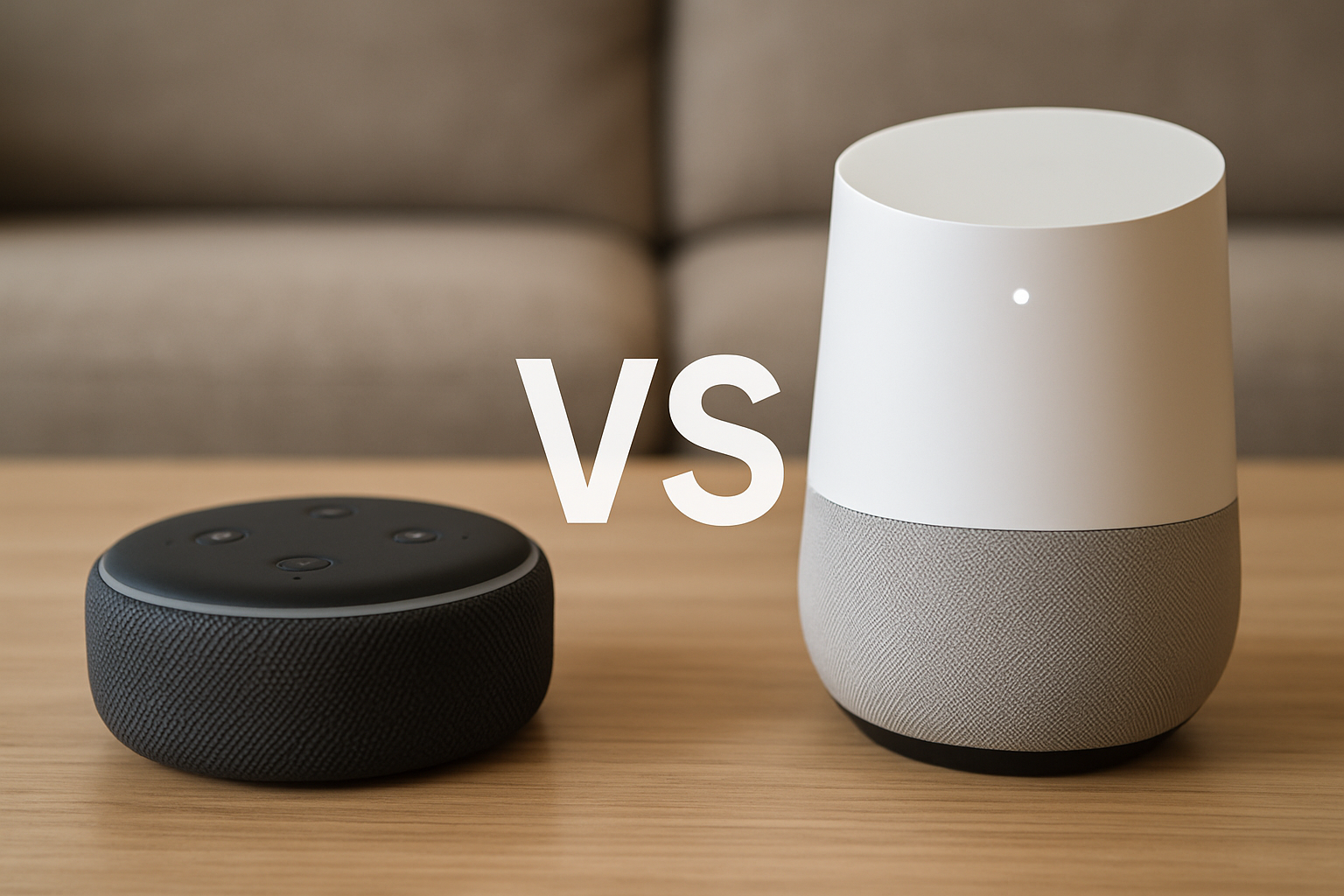
Smart home devices typically operate through a network connection, either Wi-Fi or Bluetooth. They utilize sensors, software, and standardized communication protocols to interact with each other and a central hub, if applicable. Users can control these devices using mobile applications or voice-activated assistants. The ability to automate tasks—like turning off lights at a certain time or adjusting the thermostat based on occupancy—makes these devices particularly appealing.
Key Points:
- Smart home devices enhance daily living by providing convenience and control.
- Understanding device categories helps in selecting the right products for your home.
Benefits of Smart Home Devices
The adoption of smart home devices comes with numerous benefits, making homes more efficient, secure, and user-friendly. One of the primary advantages is increased energy efficiency. Smart thermostats, for instance, can learn user schedules and adjust heating or cooling accordingly, leading to reduced energy bills. Furthermore, smart security systems provide peace of mind by allowing homeowners to monitor their property remotely and receive alerts for unusual activities. In addition, automation features simplify daily routines, enabling users to perform tasks seamlessly without manual intervention.
Energy Efficiency
Smart home devices significantly contribute to energy savings. By automating the management of appliances and lighting, users can reduce energy consumption when devices are not in use. For example, smart plugs can be programmed to power off devices during specific hours, minimizing ‘phantom load’ energy waste. This not only lowers utility bills but also contributes to environmental sustainability.
Enhanced Security
One of the most compelling reasons for investing in smart home devices is improved security. Smart cameras and doorbells allow homeowners to monitor their property in real-time, while motion detectors can send alerts when unexpected movement is detected. These features empower users to respond quickly to potential security threats, thus enhancing overall safety.
Key Points:
- Smart home devices improve energy efficiency and reduce costs.
- Enhanced security features provide peace of mind and protect property.
Understanding Smart Home Devices
Smart home devices refer to a range of internet-connected gadgets that enable homeowners to automate and control various aspects of their living environment. These devices can include smart thermostats, lighting systems, security cameras, and appliances, allowing for increased convenience, efficiency, and security. The integration of these devices typically falls under a centralized control system, often managed through a smartphone app or voice assistant. A key aspect of smart home devices is their ability to communicate with each other, creating a cohesive environment that can adapt to user preferences and routines.
Types of Smart Home Devices
Smart home devices can be categorized into several types, including security systems, energy management tools, and smart appliances. Security devices like cameras and smart locks enhance home safety, while energy management devices, such as smart thermostats and lighting, help reduce utility bills. Smart appliances, including refrigerators and ovens, can be programmed for maximum efficiency, enhancing the user experience.
How Smart Devices Communicate
Smart home devices primarily communicate through protocols like Wi-Fi, Zigbee, or Z-Wave, enabling them to connect to the internet and with each other. Wi-Fi is common for high-bandwidth devices, while Zigbee and Z-Wave are often used for low-power devices that require less data. Understanding these communication methods is crucial for effective integration and ensuring that devices work seamlessly together.
Key Points:
- Smart home devices enhance convenience and security.
- Communication protocols are key to device integration.
💡 Familiarize yourself with the different communication protocols used in smart home devices to ensure compatibility.
Implementing Smart Home Devices Effectively
To maximize the benefits of smart home devices, strategic implementation is essential. Start by assessing your needs and determining which areas of your home could benefit most from automation. Common entry points include security, energy management, and convenience features like voice control. Once you’ve identified your priorities, consider the scalability of your setup, allowing for future additions without overhauling your entire system.
Creating a Smart Home Ecosystem
Building a cohesive smart home ecosystem involves selecting devices that can communicate effectively. Choose a central hub or platform that supports multiple device types and brands to streamline control. A well-integrated ecosystem allows for automation scenarios, where multiple devices can work together, such as setting lights to turn on when a smart lock is engaged.
Security Considerations
As smart home devices connect to the internet, security is paramount. Regularly update device firmware and use strong, unique passwords to protect against unauthorized access. Consider segmenting your home network to isolate smart devices from personal computers to enhance security further. Implementing these practices safeguards your home while enjoying the benefits of smart technology.
Key Points:
- Identify priorities for automation before implementation.
- Security measures are critical for protecting smart home devices.
💡 Start small and gradually expand your smart home setup to avoid overwhelming complexity.
EXPERT TIPS Pro Advice
Evaluate your lifestyle needs before purchasing devices.
Understanding your daily routines helps identify the most beneficial devices, ensuring that your smart home setup enhances your quality of life.
Plan for future scalability.
Choose devices and systems that allow for easy integration of new gadgets, making it simpler to expand your smart home as technology evolves.
Regularly review your smart home setup.
Periodically assess device performance and security settings to ensure your smart home continues to meet your needs effectively.
Utilize automation routines.
Set up routines that automate everyday tasks, such as adjusting temperatures or lights at specific times, to enhance convenience and energy efficiency.
Stay informed about new technologies.
Keeping up with emerging smart home technologies allows you to make informed decisions and utilize cutting-edge devices for maximum benefit.
Frequently Asked Questions
Conclusion
Smart home devices enhance convenience, security, and energy efficiency in modern homes. By understanding how they work and the types available, homeowners can make informed decisions. Integrating these devices can lead to an automated, efficient living environment tailored to individual needs.
🎯 Key Takeaways:
- Smart home devices are internet-connected gadgets for home automation.
- They improve convenience, security, and energy efficiency.
- Devices can integrate for a cohesive smart home experience.
- Choosing the right devices involves assessing needs and compatibility.
Expert Advice: Consider your lifestyle and priorities when selecting smart home devices. Start with a few essential items and gradually expand your system as you become comfortable with the technology.
Explore options and research to find smart home devices that best suit your needs and lifestyle.