Are you struggling to decide between SSD vs HDD: which one is better for your storage needs? With the rise of digital storage options, many users find themselves confused about the best choice for their devices. As an expert in data storage technologies, I will help you navigate the key differences between SSDs and HDDs, their respective advantages, and how each affects performance. In this article, you will learn about the speed, durability, capacity, and cost of both types of drives, empowering you to make an informed decision that aligns with your specific requirements and budget.
Understanding SSDs and HDDs
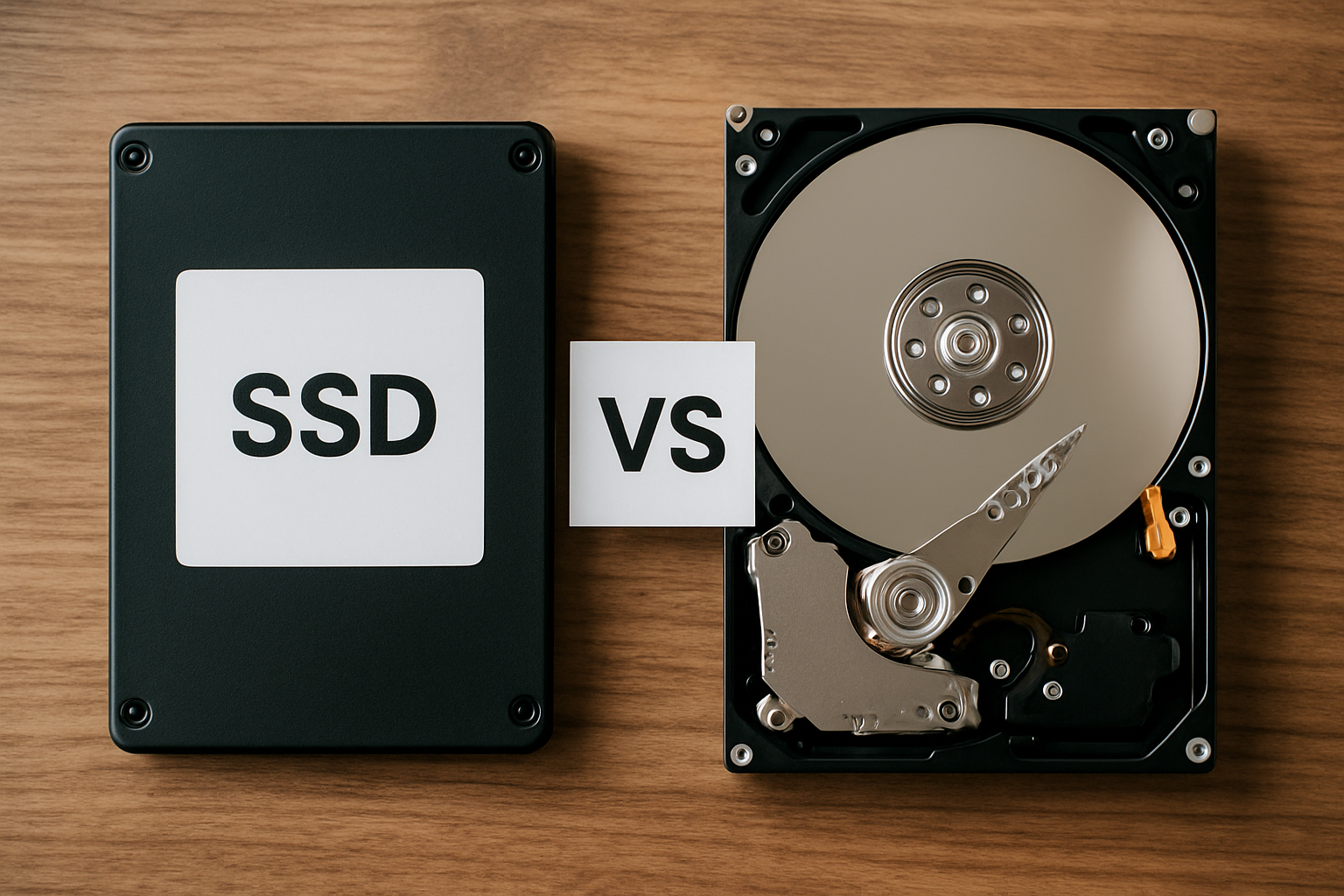
Solid State Drives (SSDs) and Hard Disk Drives (HDDs) are two primary types of storage devices used in computers. SSDs use flash memory to store data, providing faster access times and improved performance. In contrast, HDDs use spinning magnetic disks to read and write data, which can result in slower performance. Understanding the fundamental differences between these two technologies is essential for making an informed choice about which is better suited for your needs.
How SSDs Work
SSDs utilize NAND-based flash memory, which allows for data to be stored without the need for moving parts. This results in quicker data access speeds, reduced latency, and lower power consumption compared to HDDs. The absence of mechanical components also means SSDs are more resistant to physical shock, making them ideal for portable devices.
How HDDs Work
HDDs operate using a spinning disk coated with magnetic material. A read/write head moves across the disk to access data. This mechanical process can introduce delays, especially when searching for files. While HDDs typically offer larger storage capacities at a lower cost, their performance can be hindered by fragmentation and wear over time.
Key Points:
- SSDs provide faster data access and improved performance.
- HDDs offer larger storage at a lower cost but can be slower.
Comparing Performance and Capacity
When deciding between SSDs and HDDs, performance and storage capacity are two critical factors to consider. SSDs excel in speed, which is particularly noticeable when booting up systems and loading applications. However, HDDs still hold an advantage in terms of storage capacity per dollar, making them suitable for bulk storage needs. Understanding these differences can help users align their storage choices with their specific requirements.
Speed and Performance
SSDs can significantly reduce boot and loading times, enhancing overall system responsiveness. In tasks like gaming and video editing, SSDs provide smoother performance due to their high data transfer rates. In comparison, HDDs may experience lag during data-intensive applications due to their slower read/write speeds.
Storage Capacity and Cost
HDDs generally offer larger storage capacities, making them more economical for users needing extensive data storage, such as photographers or video editors. While SSD prices have been decreasing, they still tend to be more expensive per gigabyte than HDDs, which can influence the choice for budget-conscious consumers.
Key Points:
- SSDs provide superior speed for performance-critical tasks.
- HDDs are more cost-effective for large storage needs.
Performance Comparison: Speed and Efficiency
When comparing SSDs (Solid State Drives) and HDDs (Hard Disk Drives), performance is a critical factor. SSDs are significantly faster than HDDs due to their lack of moving parts, which allows for quicker data access and transfer speeds. This is particularly evident in boot times and loading applications, where SSDs excel, often resulting in a smoother user experience. Conversely, HDDs, while slower, can offer larger capacities at a lower cost, making them suitable for bulk storage needs.
Data Transfer Speeds
SSDs typically provide data transfer speeds of 200 MB/s to 5500 MB/s, depending on the interface used. In contrast, HDDs generally range from 80 MB/s to 160 MB/s. This drastic difference impacts tasks such as file copying, program launching, and gaming, where SSDs can reduce wait times significantly.
Read/Write Operations
SSDs excel in random read/write operations thanks to their architecture, allowing them to access multiple data points simultaneously. HDDs, on the other hand, have mechanical components that limit their performance in such scenarios, making them less efficient for tasks that require frequent access to scattered data.
Key Points:
- SSDs provide superior speed, enhancing overall system responsiveness.
- HDDs remain a cost-effective solution for large storage needs.
💡 Consider your usage: If you frequently access large files or run intensive applications, an SSD will greatly enhance performance.
💡 Look for NVMe SSDs instead of SATA for even faster speeds, especially in gaming or high-performance computing environments.
Cost and Storage Capacity Considerations
When choosing between SSDs and HDDs, cost and storage capacity are essential factors. Generally, HDDs are more affordable per gigabyte, making them attractive for users needing vast amounts of storage for documents, videos, and backups. In contrast, while SSD prices have been decreasing, they still tend to be more expensive on a per-gigabyte basis, especially for larger capacities. Users must weigh the cost against their specific needs and usage patterns.
Price per Gigabyte
As of recent data, HDDs can cost around $0.03 to $0.10 per gigabyte, whereas SSDs range from $0.10 to $0.50 per gigabyte. This price disparity means that for users prioritizing budget and large storage, HDDs are often the better choice.
Capacity Options
HDDs typically offer larger capacities, ranging from 500 GB to 20 TB or more, making them suitable for extensive data storage. SSDs, while available in sizable capacities, often max out around 8 TB, which may not meet the needs of users with significant data requirements.
Key Points:
- HDDs provide cost-effective options for large storage capacities.
- SSDs are becoming increasingly affordable, offering faster performance.
💡 Evaluate your storage needs: If you need to store large files, consider a combination of SSD for your OS and HDD for bulk storage.
💡 Monitor price trends: Prices for SSDs are dropping; waiting for sales can make them more affordable.
EXPERT TIPS Pro Advice
Prioritize SSD for the operating system.
Installing your operating system on an SSD can drastically improve boot times and overall system responsiveness, making everyday tasks more efficient.
Use HDDs for archival storage.
Consider using HDDs for long-term storage of files that are accessed infrequently, as they provide significant savings on storage costs.
Regularly back up data.
Regardless of the drive type, ensure you regularly back up important data to prevent loss due to drive failure, especially with HDDs, which are more prone to mechanical issues.
Assess drive longevity.
SSDs generally have a longer lifespan due to their lack of moving parts, but monitor usage and health to ensure data integrity over time.
Consider hybrid solutions.
Utilizing a hybrid storage solution can leverage the speed of SSDs for active tasks while using HDDs for extensive storage, balancing cost and performance.
Frequently Asked Questions
Conclusion
In the SSD vs HDD debate, SSDs offer superior speed, durability, and energy efficiency, making them ideal for performance-centric tasks. Conversely, HDDs provide larger storage capacities at lower costs, suitable for bulk data storage. Choosing between them depends on your specific needs and budget.
🎯 Key Takeaways:
- SSDs are faster and more durable than HDDs.
- HDDs offer greater storage capacity at a lower cost.
- SSDs enhance gaming and application loading times.
- Consider your budget and storage needs when choosing.
- Both SSDs and HDDs have different lifespan expectations.
Expert Advice: Evaluate your usage habits and storage requirements before making a decision. Prioritize speed for performance-heavy tasks, while considering cost-effectiveness for larger data storage needs.
Take the time to assess your storage needs and explore both options to make an informed choice that suits your requirements.