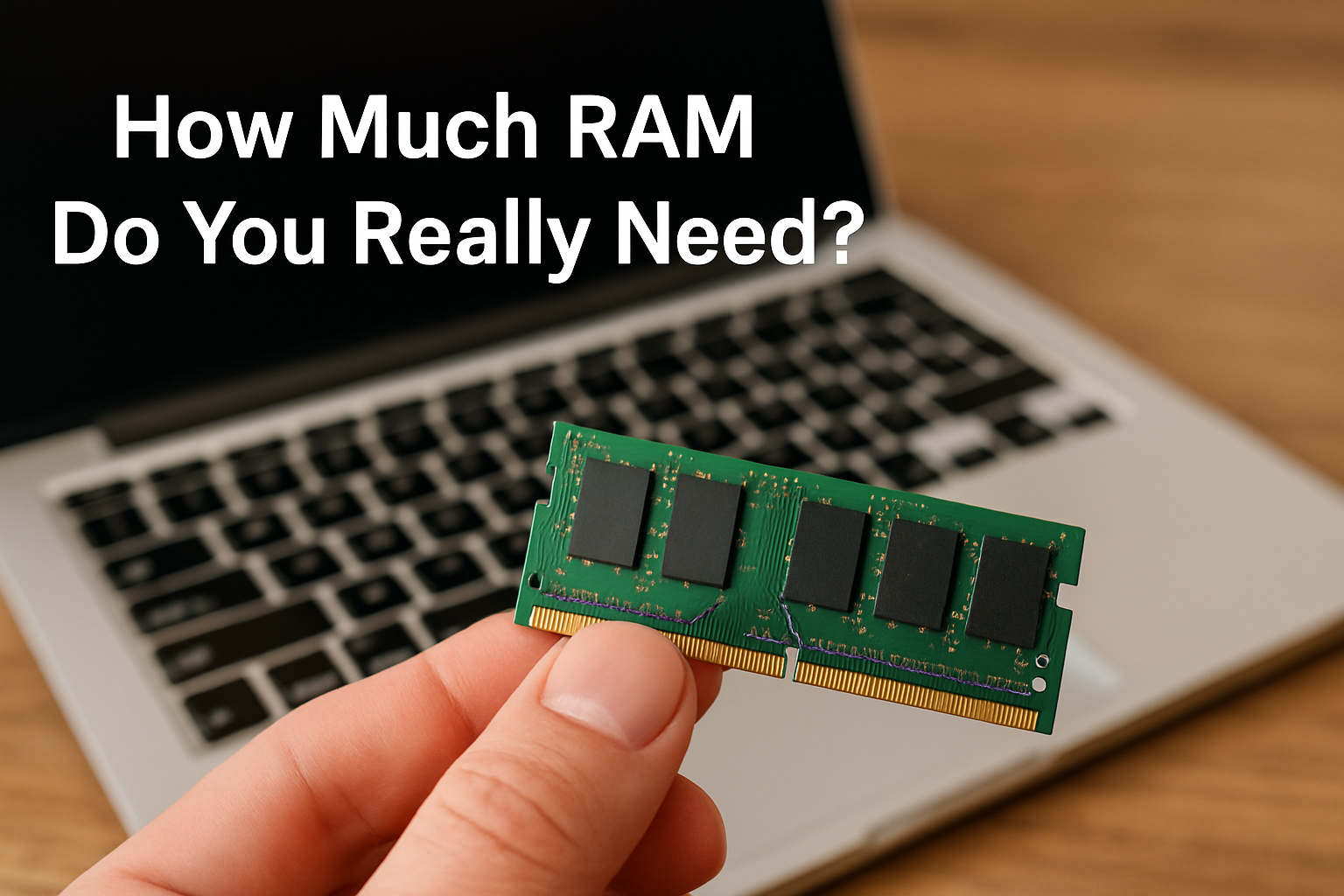
Are you confused about how much RAM you really need for your computer? With so many options available, it’s easy to feel overwhelmed. In fact, studies show that inadequate RAM can significantly hinder your system’s performance, leading to frustrating slowdowns and crashes. As an expert in computer hardware and performance optimization, I’ll guide you through the essentials of determining your RAM needs. In this article, you will learn the key factors that influence RAM requirements, how to assess your personal or professional usage, and the optimal amounts of RAM for various tasks, from gaming to productivity. By the end, you’ll have a clear understanding of how much RAM is right for you, ensuring a smooth and efficient computing experience.
Understanding RAM and Its Role in Computing
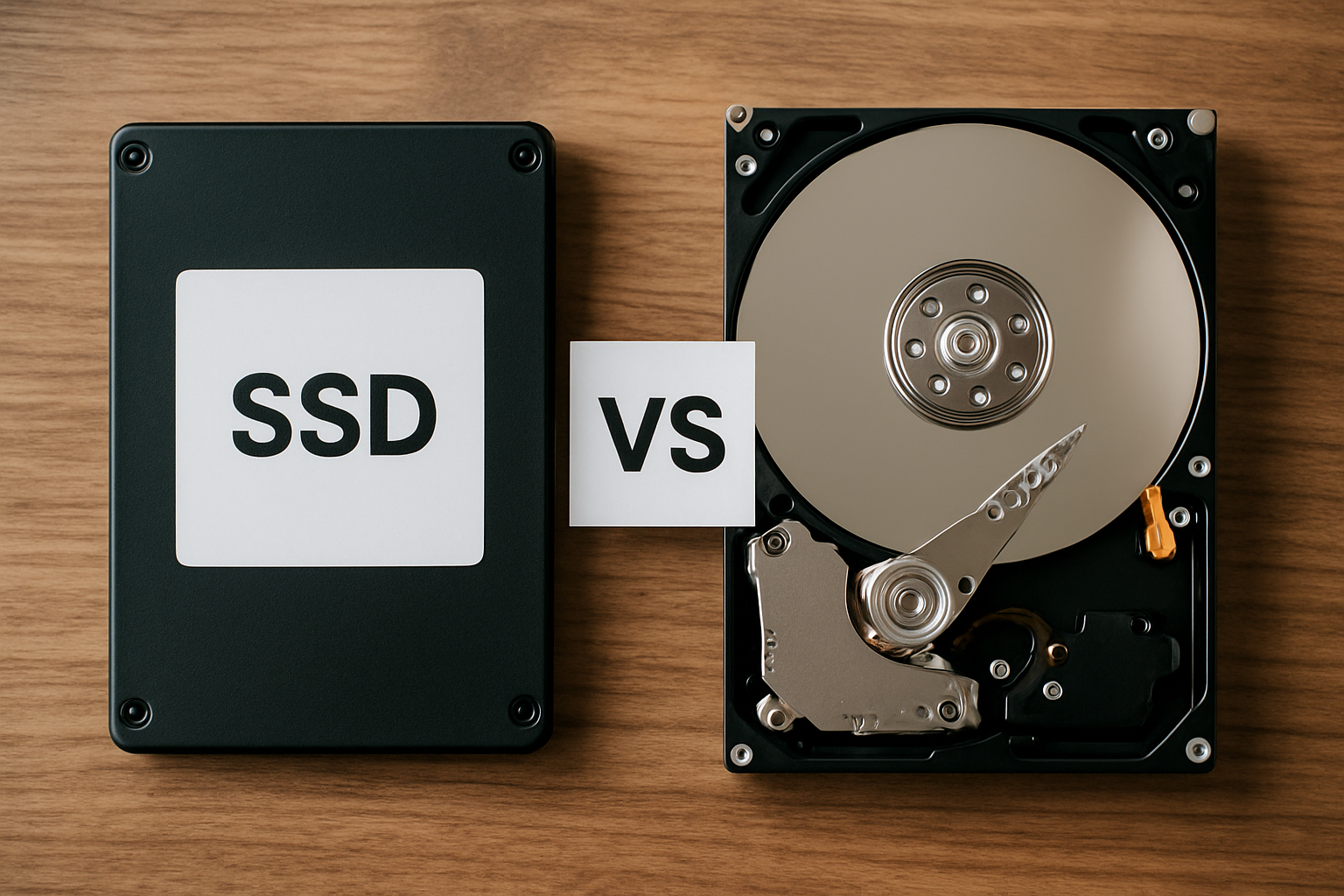
Random Access Memory (RAM) is a crucial component in any computing device, serving as temporary storage that allows for quick access to data. It plays a pivotal role in the performance of your system, affecting how smoothly applications run and how many tasks you can handle simultaneously. Unlike hard drives or SSDs, RAM is volatile memory, meaning it loses its data when power is turned off. Therefore, the amount of RAM you need depends largely on your specific usage patterns, such as gaming, graphic design, or everyday tasks. Knowing how RAM functions helps in making informed decisions about upgrading or purchasing new hardware.
Types of RAM
There are several types of RAM, with the most common being DRAM (Dynamic RAM) and SRAM (Static RAM). DRAM is widely used in personal computers and servers due to its cost-effectiveness, while SRAM is faster but more expensive, often utilized in cache memory. Understanding the differences helps in selecting the right type for your needs, especially when considering speed versus capacity.
How RAM Affects Performance
The amount of RAM in your system directly influences its performance. More RAM allows for better multitasking capabilities, enabling you to run multiple applications smoothly without lag. Insufficient RAM can lead to slowdowns or crashes, particularly when running resource-intensive programs. Knowing this impact can guide your decisions on whether an upgrade is necessary based on your usage.
Key Points:
- RAM is essential for system performance.
- The type of RAM affects its speed and cost.
Determining Your RAM Needs
Assessing how much RAM you need depends on your individual requirements and the tasks you perform on your computer. Casual users may find that 8GB is sufficient for web browsing and basic applications, while gamers and creative professionals often require 16GB or more for optimal performance. By analyzing your usage patterns, you can make informed decisions that align with your performance expectations and budget constraints. Additionally, understanding future-proofing can help you invest in RAM that will serve you well as software demands increase.
Casual vs. Intensive Use
Casual users who primarily browse the internet, stream videos, or work on documents typically require around 8GB of RAM. In contrast, intensive users who engage in activities like gaming, video editing, or 3D modeling may need 16GB or more to ensure smooth performance. Identifying your use case is crucial for determining the ideal amount of RAM for your setup.
Future-Proofing Your Setup
Investing in additional RAM can be a sound strategy for future-proofing your system. As software becomes more advanced and resource-intensive, having extra RAM can help accommodate these changes without requiring frequent upgrades. Planning for the future can save you time and money, ensuring your device remains efficient for years to come.
Key Points:
- Assess your usage patterns for accurate RAM needs.
- Consider future software demands when upgrading.
Understanding RAM and Its Importance
Random Access Memory (RAM) is a crucial component of any computing device, influencing performance and multitasking capabilities. The amount of RAM you need depends on your usage patterns. Generally, more RAM allows for smoother operation and the ability to run more applications simultaneously. For basic tasks like web browsing and word processing, 8GB is typically sufficient. However, for more demanding applications such as video editing or gaming, 16GB or more is recommended. Understanding how RAM impacts speed and responsiveness can help you make informed decisions about upgrades and new purchases.
Basic Usage Scenarios
For users who primarily engage in light tasks like browsing the internet, watching videos, or using office applications, 4GB to 8GB of RAM is usually adequate. This amount allows for smooth performance without excessive lag. However, as background processes and browser tabs accumulate, you may notice a slowdown, indicating that an upgrade might be beneficial if multitasking becomes frequent.
Advanced Usage Scenarios
Power users involved in activities like gaming, graphic design, or software development typically require 16GB or more. These tasks consume significant memory resources. For instance, gaming can demand high-speed data access, making additional RAM essential for a seamless experience. Users should also consider future-proofing their systems by opting for more RAM, as software requirements tend to increase over time.
Key Points:
- RAM size influences multitasking capabilities.
- Basic tasks require less RAM compared to advanced applications.
💡 Assess your typical workload before deciding on RAM size.
💡 Consider future needs based on software trends.
💡 Prioritize RAM speed alongside capacity for optimal performance.
Evaluating and Upgrading RAM
If you find your current RAM insufficient, evaluating your system’s configuration is the first step. Tools and diagnostic software can provide insights into RAM usage patterns, helping determine whether an upgrade is necessary. Upgrading RAM is often one of the most cost-effective ways to boost performance, especially in older systems. Users should ensure compatibility with their motherboard and existing RAM specifications when making upgrades.
Checking Current RAM Usage
Utilize system monitoring tools to track how much RAM is currently in use. Windows Task Manager and macOS Activity Monitor can display real-time RAM usage, allowing you to identify if you frequently hit your memory limits. If you consistently use over 80% of your RAM, an upgrade may be warranted to improve performance.
Steps to Upgrade RAM
Upgrading RAM typically involves accessing the computer’s internals, which may vary by device. Start by determining the type and maximum capacity of RAM your system supports. Once you purchase compatible RAM modules, ensure the PC is powered off, and follow safe handling procedures to install the new RAM. After installation, test the system to confirm the upgrade was successful.
Key Points:
- Proper evaluation can prevent unnecessary upgrades.
- Upgrading RAM can significantly enhance overall system performance.
💡 Monitor RAM usage regularly to preempt performance issues.
💡 Research your system specifications before purchasing RAM.
💡 Follow safe practices during installation to avoid damage.
EXPERT TIPS Pro Advice
Understand your software requirements.
Different software has varying RAM requirements. Knowledge of these needs helps in making an informed decision about how much RAM to acquire.
Consider dual-channel configurations.
Using two RAM sticks instead of one can improve performance due to increased bandwidth, providing a noticeable boost in tasks that require high memory throughput.
Keep an eye on RAM speed ratings.
Faster RAM speeds can enhance performance, especially in systems that are bottlenecked by slower memory, so be sure to factor speed into your upgrade considerations.
Regularly clean up unnecessary files.
Freeing up RAM by closing unused applications and clearing cache can improve performance without requiring additional hardware investments.
Be aware of virtualization needs.
If you plan to run virtual machines, you’ll need significantly more RAM to allocate resources effectively, typically 16GB or more depending on the number of VMs.
Frequently Asked Questions
Conclusion
Determining how much RAM you need depends on your specific use cases. For basic tasks, 8GB is sufficient, while gaming and video editing may require 16GB or more. Upgrading RAM can significantly enhance performance, especially for multitasking or demanding applications.
🎯 Key Takeaways:
- 8GB RAM is ideal for basic tasks.
- 16GB RAM is recommended for gaming.
- Video editing benefits from 32GB or more.
- Check compatibility before upgrading RAM.
- Faster RAM speeds can enhance performance.
Expert Advice: Evaluate your usage patterns to choose the right RAM for your needs. Upgrading when necessary can lead to a smoother experience, so don’t hesitate to seek professional advice if unsure.
Assess your current RAM usage and consider future needs to make informed decisions about upgrades.