
Have you ever wondered why your phone connects to two different WiFi networks? Understanding what dual band WiFi on a phone means can significantly enhance your mobile internet experience. As smartphones become central to our daily connectivity, knowing how dual band technology works will help you make informed choices about your device and network. In this article, we will explore the fundamentals of dual band WiFi, how it operates, and its advantages over single band alternatives. By the end, you will have a clear understanding of why dual band WiFi is a game changer for mobile users.
Understanding Dual Band Wi-Fi
Dual band Wi-Fi refers to the capability of a device, such as a smartphone, to connect to both 2.4 GHz and 5 GHz frequency bands. This technology enhances connectivity options, allowing users to choose between speed and range. The 2.4 GHz band offers wider coverage and better penetration through walls, while the 5 GHz band provides faster speeds and less interference. By utilizing both bands, users can optimize their internet experience depending on their specific needs and environment.
Frequency Bands Explained
Wi-Fi operates on various frequency bands, primarily 2.4 GHz and 5 GHz. The 2.4 GHz band is commonly used and supports longer ranges, making it suitable for larger spaces. However, it is more prone to interference from electronic devices. In contrast, the 5 GHz band offers faster data rates and reduced interference, ideal for high-bandwidth activities like streaming and gaming but with a shorter range.
Benefits of Dual Band Connectivity
Using dual band Wi-Fi on a phone provides significant advantages, including enhanced performance and flexibility. Users can experience fewer interruptions and faster speeds by switching to the 5 GHz band in environments with minimal obstacles. Additionally, dual band capabilities allow for better management of multiple devices connected to the same network, improving overall network efficiency.
Key Points:
- Dual band Wi-Fi allows connection to both 2.4 GHz and 5 GHz bands
- 2.4 GHz offers range while 5 GHz offers speed
How Dual Band Wi-Fi Works on Phones
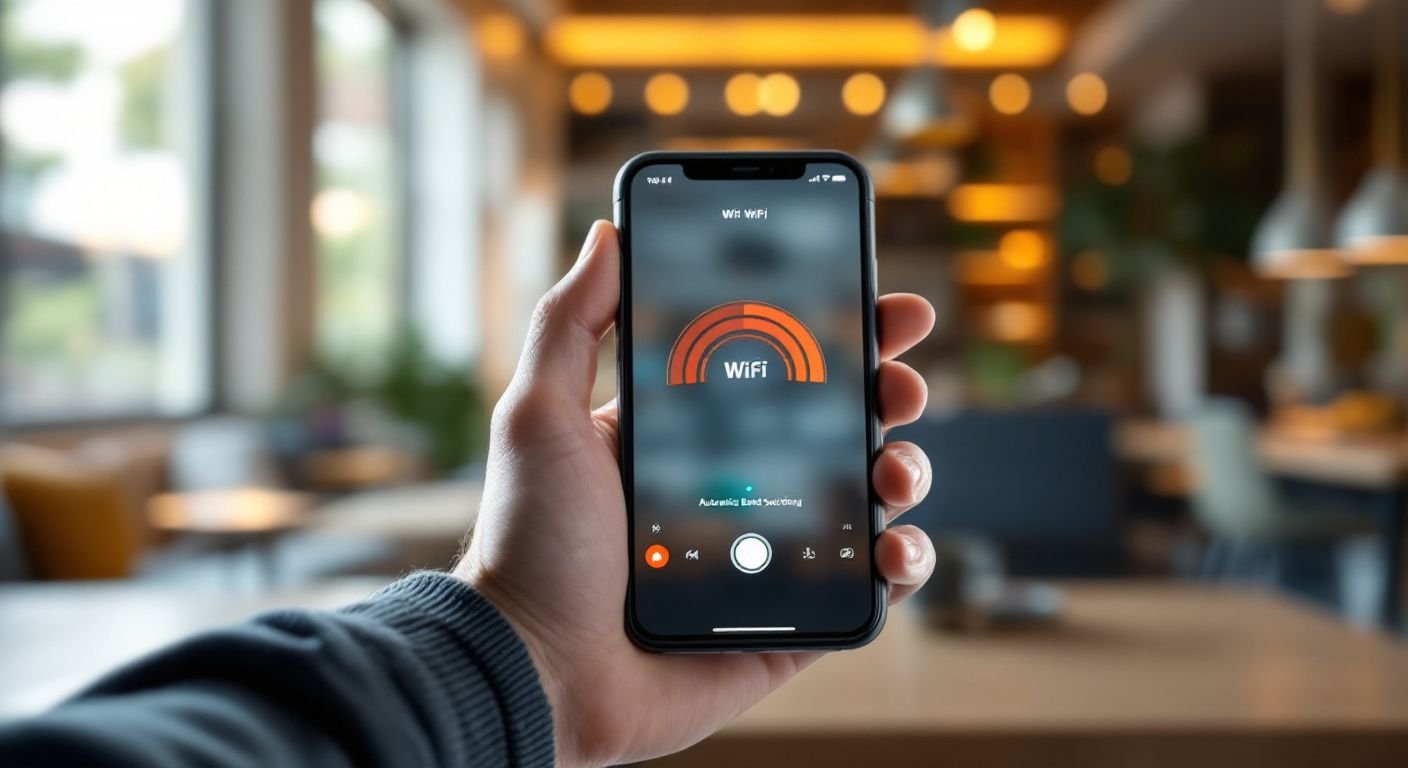
When a smartphone supports dual band Wi-Fi, it can automatically switch between the 2.4 GHz and 5 GHz bands based on signal strength and network conditions. This seamless transition enhances the user experience by ensuring a stable connection. Users can also manually select the band for specific tasks. Many smartphones display available networks with their respective bands, allowing users to make informed choices based on their needs.
Automatic Band Switching
Most dual band smartphones feature automatic band switching, which allows the device to evaluate the available networks and choose the optimal frequency. This process minimizes disruptions during usage, ensuring that users maintain a strong connection without needing to manually switch bands. The phone assesses factors like signal strength and network congestion to make the best choice.
Manual Band Selection
In addition to automatic switching, users can manually select which band to connect to. This is particularly useful in scenarios where one band is overloaded or experiencing interference. By accessing the Wi-Fi settings, users can see both available bands and choose their preferred connection based on the specific activity they are engaged in, such as video streaming or browsing.
Key Points:
- Smartphones can switch between bands automatically
- Users have the option to manually select the desired band
Understanding Dual Band Wi-Fi
Dual band Wi-Fi refers to the capability of a device, such as a smartphone, to connect to two different frequency bands: 2.4 GHz and 5 GHz. This technology allows devices to communicate over multiple channels, improving connection stability and speed. The 2.4 GHz band has a longer range but is more susceptible to interference, while the 5 GHz band offers faster speeds and less congestion but has a shorter range. By utilizing both bands, smartphones can optimize their performance based on the user’s needs and the environment.
Frequency Bands Explained
The 2.4 GHz band is widely used, making it prone to interference from other devices like microwaves and Bluetooth gadgets. In contrast, the 5 GHz band is less crowded, allowing for faster data transfer rates. However, its shorter range limits connectivity in larger spaces. Understanding these differences helps users choose the right band based on their specific requirements, such as streaming or gaming.
Benefits of Dual Band Wi-Fi
Using dual band Wi-Fi on a phone enhances overall performance by allowing users to switch between bands based on their needs. For instance, if a user is far from the router, switching to the 2.4 GHz band may maintain a more stable connection. Conversely, for activities requiring high bandwidth, such as video conferencing or online gaming, the 5 GHz band can provide a significant speed advantage.
Key Points:
- Dual band Wi-Fi allows connection to both 2.4 GHz and 5 GHz bands.
- Understanding frequency differences can optimize smartphone performance.
💡 Always connect to the 5 GHz band when high-speed internet is necessary.
💡 Regularly check for Wi-Fi congestion in your area to choose the best band.
💡 Consider your distance from the router when selecting a band to ensure a stable connection.
Optimizing Dual Band Wi-Fi on Your Phone
To maximize the benefits of dual band Wi-Fi on your phone, users should take proactive steps to ensure optimal connectivity. This involves not only understanding how to switch between bands but also knowing when to use each one. Regularly analyzing network conditions and adjusting settings can lead to improved performance and a better user experience. Moreover, keeping the phone’s software updated ensures compatibility with the latest Wi-Fi technology.
Switching Between Bands
Most smartphones allow users to manually select the preferred Wi-Fi band in the settings menu. To do this, navigate to the Wi-Fi settings, find the network of interest, and choose between 2.4 GHz or 5 GHz if both options are available. This manual selection can significantly enhance performance in specific scenarios, such as switching to 5 GHz for streaming high-definition content.
Monitoring Network Performance
Utilizing built-in tools or third-party applications can help users monitor their Wi-Fi performance. These tools provide insights into signal strength, speed, and congestion levels. By regularly checking these metrics, users can identify the optimal band to connect to and troubleshoot any connectivity issues that arise, ensuring a seamless internet experience.
Key Points:
- Regularly switching bands can optimize phone performance.
- Monitoring network conditions helps maintain a stable connection.
💡 Use network monitoring apps to regularly assess your Wi-Fi performance.
💡 Adjust your phone’s connection settings based on current needs.
💡 Keep your phone updated to ensure compatibility with the latest Wi-Fi standards.
EXPERT TIPS Pro Advice
Keep your router firmware updated.
Router firmware updates can enhance performance and security, ensuring that your dual band Wi-Fi operates efficiently.
Position your router strategically.
The physical location of your router can significantly affect connectivity. Place it in a central location to maximize signal coverage.
Limit interference from other devices.
Minimizing interference from microwaves and other electronics can improve the reliability of your Wi-Fi connection, particularly on the 2.4 GHz band.
Understand your internet usage patterns.
Knowing when you need high bandwidth can help you choose the right band, ensuring better performance during critical tasks.
Regularly reboot your router.
Rebooting your router can clear temporary issues and improve connection stability, particularly in environments with many connected devices.
Frequently Asked Questions
Conclusion
Dual band WiFi on a phone allows users to connect to both 2.4 GHz and 5 GHz bands, improving internet speed and reliability. Understanding the strengths of each band helps in choosing the right one for various activities, enhancing overall user experience.
🎯 Key Takeaways:
- Dual band WiFi supports 2.4 GHz and 5 GHz frequencies.
- 5 GHz offers faster speeds; 2.4 GHz provides better range.
- Not all phones support dual band WiFi; check specifications.
- Use the band that suits your distance and activity needs.
Expert Advice: Choose the right WiFi band based on your environment and usage to optimize your phone’s connectivity. Regularly update your device to ensure the best performance.
Explore your device settings to maximize your WiFi experience and enjoy smoother connectivity today.



Leave a Reply