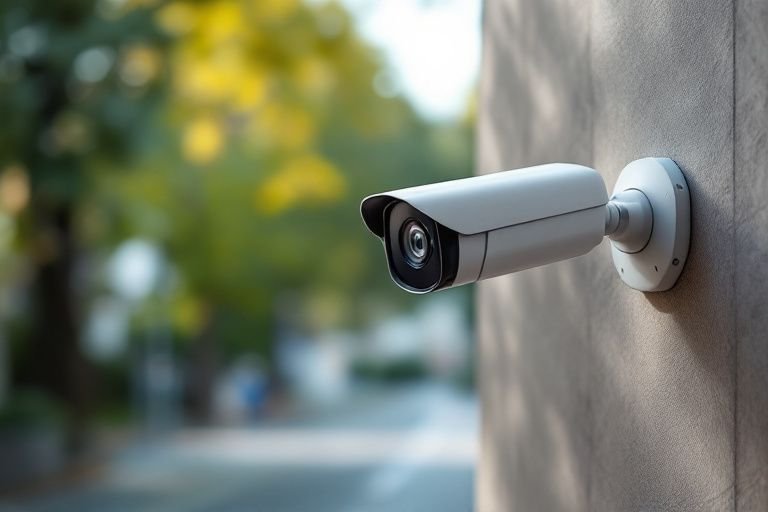
In an era where safety and security are paramount, understanding what a smart surveillance system entails is essential. Did you know that businesses adopting advanced surveillance technologies report a 30% decrease in theft? As a trusted expert in security solutions, I aim to demystify the concept of smart surveillance systems for you. In this article, we will explore their defining features, how they operate, and the myriad benefits they offer for both residential and commercial environments. By the end, you will have a comprehensive understanding of how smart surveillance can enhance security and peace of mind.
Understanding Smart Surveillance Systems
Smart surveillance systems utilize advanced technologies like artificial intelligence (AI) and machine learning to enhance security monitoring. Unlike traditional security systems, which rely solely on cameras and human oversight, smart surveillance automates processes such as threat detection and incident reporting. By analyzing data in real-time, these systems can identify unusual behavior or unauthorized access, significantly improving response times and accuracy. The integration of IoT devices allows for seamless communication between cameras, sensors, and alarm systems, creating a cohesive security network.
Key Features of Smart Surveillance Systems
Smart surveillance systems come with several key features that distinguish them from conventional systems. These include facial recognition capabilities, motion detection, and video analytics. Facial recognition enables the system to identify individuals and track their movements, while motion detection can trigger alerts for unusual activity. Video analytics processes footage to provide insights, such as counting people in a given area or detecting loitering, enhancing situational awareness.
Components of a Smart Surveillance System
A typical smart surveillance system includes cameras, sensors, and a control unit. Cameras can be fixed, PTZ (pan-tilt-zoom), or even drones for aerial surveillance. Sensors may include motion detectors or environmental sensors that monitor conditions such as smoke or heat. The control unit processes the data collected, often featuring cloud storage for easy retrieval and analysis, and user interfaces for monitoring and management.
Key Points:
- Smart surveillance systems enhance security through automation and AI.
- Key features include facial recognition, motion detection, and video analytics.
Benefits of Implementing Smart Surveillance Systems
Implementing smart surveillance systems offers numerous benefits that can significantly improve safety and operational efficiency. One of the primary advantages is enhanced responsiveness to incidents, as these systems can automatically alert security personnel to potential threats. Additionally, the ability to analyze data and generate reports helps organizations understand patterns and improve their security strategies. Furthermore, the integration of remote monitoring capabilities allows users to access live feeds and recorded footage from anywhere, enhancing flexibility and convenience.
Increased Efficiency in Security Operations
Smart surveillance systems streamline security operations by automating routine tasks. This reduces the need for constant manual monitoring, allowing security personnel to focus on critical incidents that require human intervention. The system can analyze vast amounts of data quickly, providing actionable insights that inform security decisions and strategies.
Cost-Effectiveness Over Time
While the initial investment in smart surveillance systems may be higher than traditional setups, they often prove to be more cost-effective in the long run. Automated monitoring reduces labor costs, and the ability to quickly respond to incidents can prevent costly losses. Additionally, improved safety can lead to lower insurance premiums and reduced liability risks.
Key Points:
- Smart surveillance enhances responsiveness and incident management.
- Long-term cost savings can be achieved through automation and improved safety.

Understanding Smart Surveillance Systems
Smart surveillance systems blend advanced technology with traditional security measures to enhance monitoring and protection. These systems utilize high-definition cameras, motion sensors, and artificial intelligence to detect and analyze activities in real-time. Unlike conventional systems, smart surveillance provides features such as facial recognition, object detection, and automatic alerts, improving response times and reducing false alarms. This integration of technology not only enhances security but also allows for remote monitoring, enabling users to oversee their properties from anywhere in the world.
Key Components
Smart surveillance systems are built on several core components. High-resolution cameras capture detailed images and videos, while motion sensors detect movement. Additionally, data storage solutions, often cloud-based, allow for the secure retention of footage. AI algorithms process this data, enabling features like facial recognition and behavior analysis, which significantly improve threat detection capabilities.
Benefits Over Traditional Systems
The advantages of smart surveillance systems over traditional setups are substantial. They offer enhanced image quality, allowing for better identification of individuals and events. The integration of AI reduces human error and false alerts, leading to more reliable security. Furthermore, remote access features enable users to monitor their environments in real-time, adapting responses as necessary. This level of sophistication makes smart surveillance a preferred choice for both residential and commercial applications.
Key Points:
- Smart surveillance integrates advanced technology for enhanced security.
- AI-driven features significantly improve threat detection and response.
💡 Regularly update software to enhance security features and functionality.
💡 Utilize motion zones to minimize false alarms from non-threatening movements.
💡 Ensure proper camera placement for optimal coverage and visibility.
Implementing Smart Surveillance in Your Environment
When considering the implementation of a smart surveillance system, it’s essential to conduct a thorough needs assessment. Understanding your specific security requirements and the layout of your premises will guide you in choosing the right configuration. Additionally, integrating IoT devices can enhance the functionality of your surveillance system, allowing for seamless communication between devices for improved security monitoring. Proper installation and maintenance are crucial to maximize the benefits of smart surveillance technology.
Assessing Security Needs
Before installation, assess your security requirements based on factors such as property size, the number of entry points, and specific vulnerabilities. This process involves identifying high-risk areas and determining the level of monitoring required. A comprehensive assessment will help in selecting the appropriate camera types and additional sensors to create a tailored surveillance solution.
Integration with Existing Systems
For those with existing security systems, consider how to integrate smart surveillance components. This can include linking with alarm systems, access control measures, and other IoT devices. A well-integrated system allows for centralized control and enhances the overall effectiveness of your security measures, ensuring a cohesive approach to monitoring and response.
Maintenance and Upkeep
Regular maintenance of your smart surveillance system is vital to ensure optimal performance. This involves routine checks of camera angles, cleaning lenses, and updating software. Maintaining a reliable system minimizes downtime and ensures that the surveillance network functions effectively when needed most.
Key Points:
- A thorough needs assessment is essential for effective implementation.
- Integrating IoT devices enhances the functionality of smart surveillance systems.
💡 Conduct regular security assessments to adapt to changing vulnerabilities.
💡 Integrate smart systems with existing infrastructure for seamless operation.
💡 Schedule routine maintenance checks to ensure all components are functioning correctly.
EXPERT TIPS Pro Advice
Leverage analytics for proactive security management.
Utilizing data analytics can help identify patterns in behavior, allowing for proactive measures rather than reactive responses.
Incorporate redundancy in data storage.
Having backup storage solutions ensures that critical footage is retained even in case of hardware failures or cyber threats.
Educate users on system capabilities.
Training users on how to effectively use smart surveillance features maximizes the system’s potential and enhances overall security.
Frequently Asked Questions
Conclusion
Smart surveillance systems represent a modern approach to security, leveraging technology for enhanced monitoring and incident response. With features like real-time alerts and data analytics, these systems provide both safety and convenience. Understanding their functionalities ensures you select the right system for your needs.
🎯 Key Takeaways:
- Smart surveillance systems utilize AI and IoT for enhanced monitoring.
- They provide real-time alerts and remote access for convenience.
- Integration with other smart devices enhances overall security.
- Key features include high-resolution video and advanced analytics.
- Securing your system is crucial for protecting your data.
Expert Advice: Invest time in researching various systems to find one that fits your needs. Understanding features and security measures will empower you to make an informed choice.
Explore more about smart surveillance systems and consider how they can enhance your security strategy.






Leave a Reply