
Is your Android phone lagging, causing frustration during everyday tasks? You’re not alone—many users experience sluggish performance, especially as their devices age. As a seasoned expert in smartphone optimization, I’ve compiled effective strategies to help you stop phone lagging on Android. In this article, you will learn practical tips to enhance your device’s speed, optimize settings, and clear unnecessary clutter. Say goodbye to delays and enjoy a smoother user experience!
Understanding Phone Lag on Android Devices
Phone lag can significantly affect the user experience on Android devices. It typically manifests as delayed response times, stuttering animations, or prolonged loading times for applications. Understanding the underlying causes of lag is essential for effective troubleshooting. Lag can stem from insufficient memory, outdated software, or excessive background processes. Recognizing these factors helps users diagnose and address the issues systematically, ensuring a smoother device performance.
Common Causes of Lag
Several factors contribute to phone lag, including low storage space, which can hinder the device’s ability to function efficiently. Additionally, outdated operating systems may lack optimizations that improve performance. Lastly, background applications consuming resources can lead to slow response times. Identifying these causes is the first step towards rectifying lagging issues.
Impact of Software Updates
Software updates play a crucial role in maintaining device performance. They often include bug fixes, security patches, and optimizations that enhance functionality. Regularly updating your Android system ensures that your device benefits from the latest improvements, potentially reducing lag. Skipping updates can leave your device prone to performance issues and security vulnerabilities.
Key Points:
- Phone lag affects user experience significantly.
- Common causes include low storage, outdated software, and background processes.
Basic Troubleshooting Steps to Reduce Lag
To combat phone lag, users should start with basic troubleshooting steps that can quickly alleviate performance issues. The first step is to clear app caches, which can accumulate over time and slow down device responsiveness. Additionally, managing background processes by limiting the number of apps running simultaneously can free up valuable resources. Finally, restarting the device can refresh the operating system and resolve temporary performance hitches.
Clearing App Cache
Clearing app cache regularly helps improve performance by removing unnecessary temporary files stored by apps. To clear cache, navigate to the ‘Storage’ section in your device settings, select the desired app, and choose the ‘Clear Cache’ option. This simple action can free up space and enhance app loading times.
Managing Background Processes
Limiting background processes is essential for optimizing performance. Users can check app settings to restrict background activity or utilize the built-in developer options. Reducing the number of active applications allows more system resources to be allocated to the apps currently in use, resulting in a smoother experience.
Restarting Your Device
Restarting your Android device can resolve many performance-related issues. This action refreshes system memory and clears temporary files, often resulting in improved speed and responsiveness. Make it a habit to restart your device periodically to maintain optimal performance.
Key Points:
- Start with basic troubleshooting to combat lag.
- Clearing app cache, managing background processes, and restarting can improve performance.

Optimizing Your Device Settings
Adjusting your device settings can significantly reduce lag and improve overall performance. Start by disabling animations in the developer options. This can make transitions faster and reduce the load on your device. Additionally, consider lowering the screen resolution if your device allows it, as a lower resolution requires less processing power. Finally, ensure that background app processes are limited to enhance speed and efficiency. Regularly reviewing and updating these settings can keep your Android device running smoothly.
Disabling Animations
To disable animations, go to ‘Settings,’ then ‘About Phone,’ and tap on ‘Build Number’ seven times to unlock developer options. Navigate to ‘Developer Options’ and reduce or turn off ‘Window Animation Scale,’ ‘Transition Animation Scale,’ and ‘Animator Duration Scale.’ This change decreases the visual load on your device, resulting in smoother performance.
Lowering Screen Resolution
If your Android device allows, lowering the screen resolution can enhance performance. This can usually be found in ‘Display Settings’ under ‘Screen Resolution.’ A lower resolution means your device’s processor has to work less hard, which can significantly reduce lag and improve overall speed.
Key Points:
- Adjust settings for better performance
- Disabling animations can lead to smoother operation
💡 Regularly clear cache to free up memory space
💡 Limit background data usage by restricting app activity
💡 Keep your firmware updated for optimal performance
Managing Storage and Apps
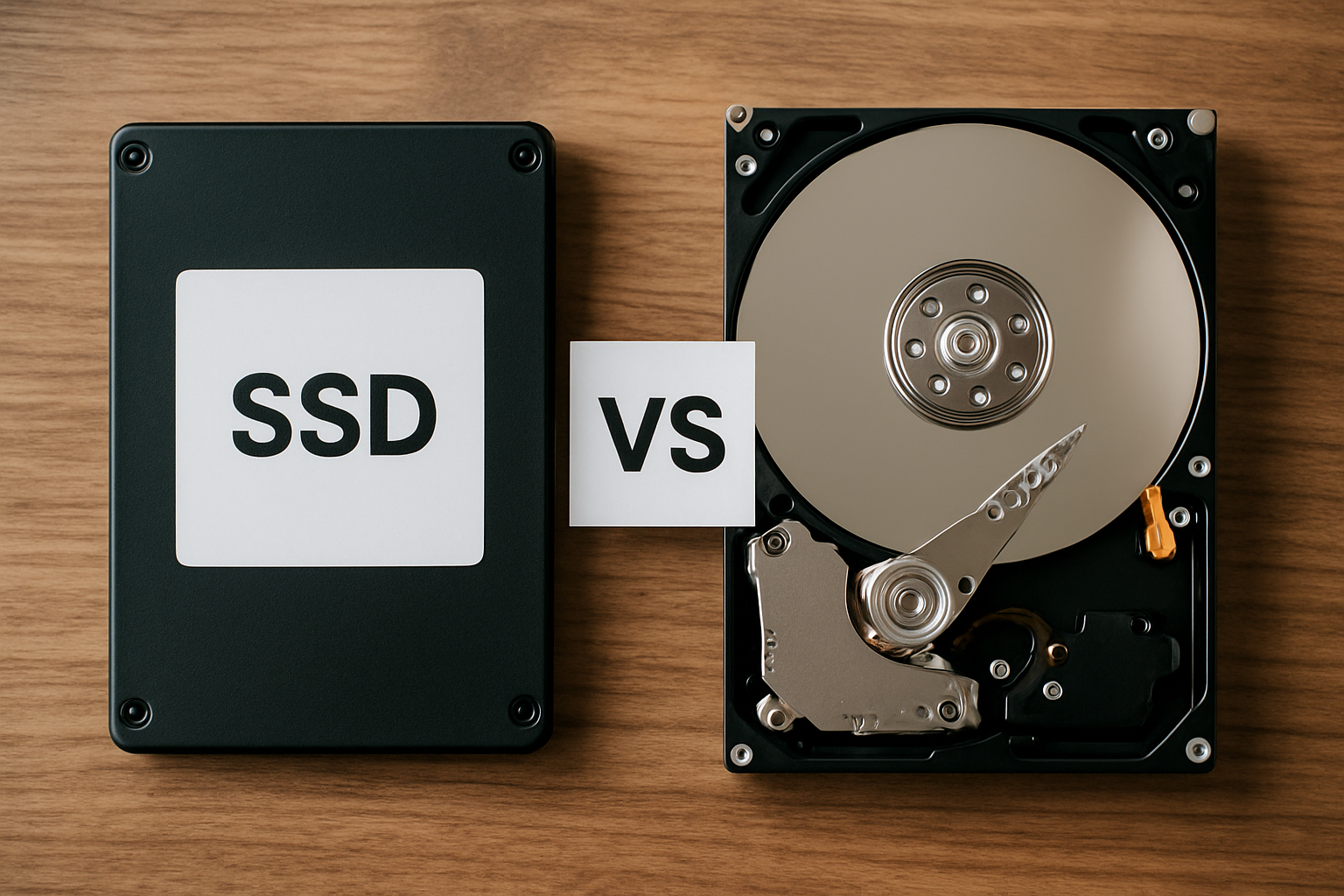
Storage management plays a crucial role in preventing lag on Android devices. Regularly check the storage usage by navigating to ‘Settings’ and selecting ‘Storage.’ Uninstall unused apps that take up valuable space and resources. Additionally, moving files to external storage or cloud services can help maintain optimal device performance. Regularly managing your apps and storage can lead to a noticeable decrease in lag.
Uninstalling Unused Apps
Go through your installed apps and remove any that you no longer use. Unused apps can consume storage and system resources, leading to lag. Access ‘Settings,’ then ‘Apps,’ and select ‘Uninstall’ for any unnecessary applications. This action not only frees up space but also reduces background processes.
Using External Storage
Consider utilizing external storage solutions such as SD cards for photos, videos, and documents. This not only frees up internal storage but also allows your device to run more efficiently. Ensure the external storage is formatted correctly for your device and regularly back up important data.
Key Points:
- Effective storage management can reduce lag
- Uninstalling apps frees up resources and speeds up the device
💡 Perform regular storage clean-ups to optimize performance
💡 Use lightweight apps to reduce resource consumption
💡 Monitor app performance to identify lagging applications
EXPERT TIPS Pro Advice
Regularly reboot your device
Rebooting clears temporary files and resets processes, helping maintain smoother performance over time.
Use lightweight alternatives to heavy apps
Choosing lighter versions of apps can reduce the load on your device, minimizing lag and improving responsiveness.
Limit widgets and live wallpapers
Widgets and live wallpapers can consume significant resources. Reducing or removing them can enhance device performance.
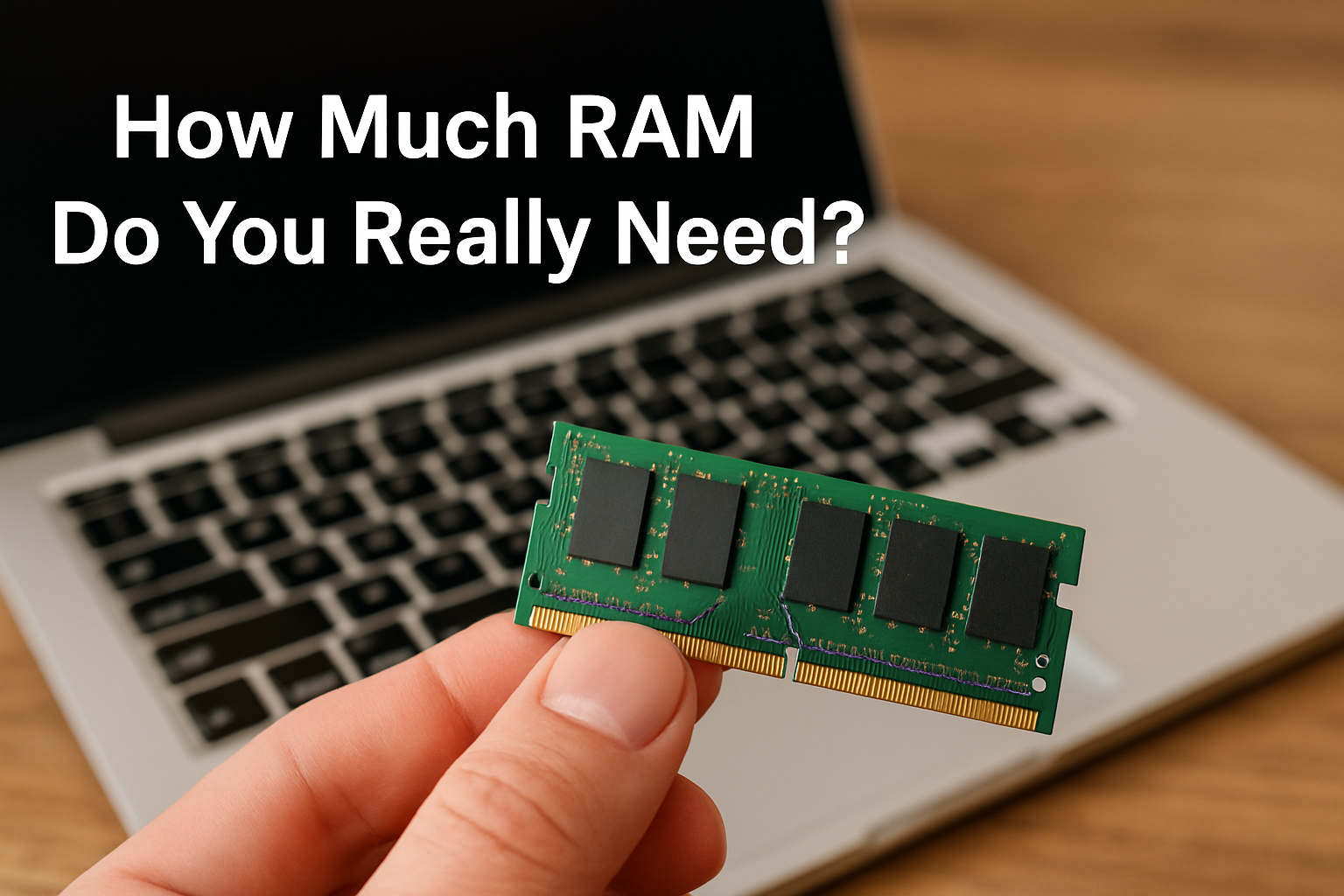
Monitor RAM usage
Keeping an eye on RAM usage helps identify resource-hungry apps that may be causing lag, allowing for timely action.
Update apps regularly
Regular updates often include performance improvements. Keeping apps updated ensures your device runs optimally.
Frequently Asked Questions
Conclusion
To stop your Android phone from lagging, focus on regular maintenance, managing apps, and optimizing settings. Identify and delete unnecessary files, update software, and consider a factory reset if necessary. Adopting these strategies can significantly enhance your device’s performance and responsiveness.
🎯 Key Takeaways:
- Regularly clear cache and delete unused apps.
- Keep your software updated for optimal performance.
- Restart your phone periodically to refresh system processes.
- Consider a factory reset as a last resort for severe lag.
Expert Advice: Implementing these simple yet effective strategies can help maintain your Android device’s speed and efficiency. Stay proactive about your phone’s maintenance to prevent future lagging issues.
Start applying these tips today and enjoy a smoother Android experience!



Leave a Reply