
Are you frustrated with your laptop unexpectedly restarting? You’re not alone—many users experience this irritating issue that can disrupt your work and cause data loss. Understanding how to fix the laptop auto restart problem is crucial for maintaining productivity and ensuring your device operates smoothly. With over 15 years of experience in troubleshooting technology issues, I will guide you through common causes of this problem and provide actionable steps to resolve it. In this article, you will learn about potential software and hardware issues, effective troubleshooting techniques, and preventive measures to keep your laptop running without interruptions.
Understanding the Laptop Auto Restart Problem
Laptop auto restarts can be frustrating, often disrupting work or leisure activities. This issue can arise from various underlying causes, including hardware malfunctions, software conflicts, or settings misconfigurations. Identifying the root cause is crucial for effective resolution. Common symptoms accompanying auto restarts include unexpected shutdowns, system freezes, and error messages. Awareness of these signs can help in diagnosing the problem more efficiently. Regular maintenance and updates can also play a significant role in preventing future occurrences.
Common Causes of Auto Restarts
The auto restart issue can stem from several factors. Hardware problems, like overheating or failing components, often trigger automatic restarts as a protective measure. Software conflicts, such as incompatible drivers or corrupt operating system files, can also lead to unexpected reboots. Additionally, settings such as automatic restart on system failure can be a culprit, masking underlying issues that need attention.
Symptoms to Look For
Recognizing symptoms associated with auto restarts can aid in diagnosis. Common symptoms include sudden shutdowns without warning, frequent blue screen errors, and system freezes followed by a restart. Noting the frequency and timing of these occurrences can provide valuable clues to pinpoint the cause. Keeping a log of any error messages received during these events can also assist in troubleshooting.
Key Points:
- Identifying the cause is key to fixing the auto restart problem.
- Symptoms can vary and should be documented for effective troubleshooting.
💡 Regularly check for overheating issues by ensuring vents are clear and using cooling pads.
Initial Troubleshooting Steps
Before diving into complex solutions, it’s essential to perform basic troubleshooting steps that can resolve many common issues. Start by checking for loose hardware connections, such as RAM and hard drive. Next, ensure all software is up-to-date, including the operating system and drivers. Lastly, examine system settings to see if automatic restart is enabled, which can complicate the diagnosis of underlying issues. These initial steps can often provide quick relief and narrow down the potential causes.
Check Hardware Connections
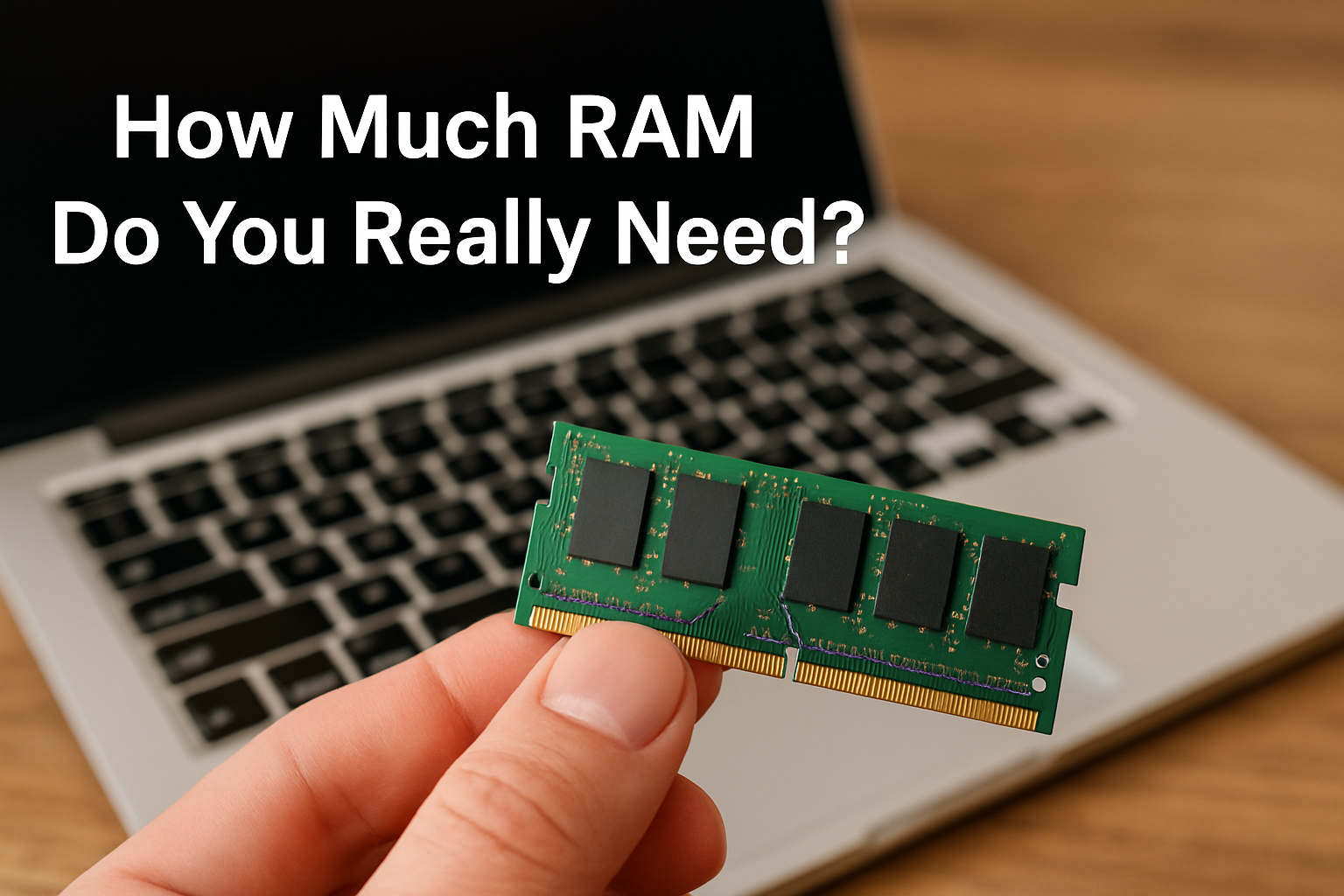
Start by inspecting internal hardware connections. Loose RAM or hard drive connections can trigger auto restarts. Open the laptop carefully, ensuring it’s powered off, and reseat these components. This simple check can eliminate hardware-related issues and is a vital first step in troubleshooting.
Update Software and Drivers
Keeping your operating system and drivers updated is crucial for system stability. Outdated drivers can cause conflicts leading to auto restarts. Regularly check for updates in the system settings, and ensure that all critical software is current. This proactive approach can prevent future problems.
Review System Settings
Examine your system settings to determine if automatic restart is enabled. Navigate to system properties and disable this feature to allow for error messages to be displayed during failures. This adjustment provides clues to the root cause, facilitating more informed troubleshooting.
Key Points:
- Basic troubleshooting can resolve many issues quickly.
- Regular updates are essential for system stability and performance.
💡 Perform hardware checks regularly to ensure connections remain secure.
Identifying the Causes of Laptop Auto Restart Issues
Understanding the underlying reasons for a laptop’s auto restart problem is crucial for effective troubleshooting. Common causes include software conflicts, hardware malfunctions, or overheating. By identifying the specific trigger, users can apply the appropriate solution. Start by checking recent software installations or updates, as these can often lead to instability, causing the system to restart unexpectedly. Additionally, hardware issues such as a failing power supply or RAM problems should be examined. Overheating is another frequent culprit; laptops may auto restart to prevent damage from excessive temperatures. Regular cleaning and ensuring proper ventilation can mitigate this risk.
Software Conflicts and Updates
Software conflicts usually arise after installing new applications or updates. To troubleshoot, boot your laptop in safe mode, which loads only essential drivers. If the problem disappears in safe mode, recent installations may be the cause. Uninstall recently added applications or roll back updates one by one to identify the offending software.
Hardware Inspection
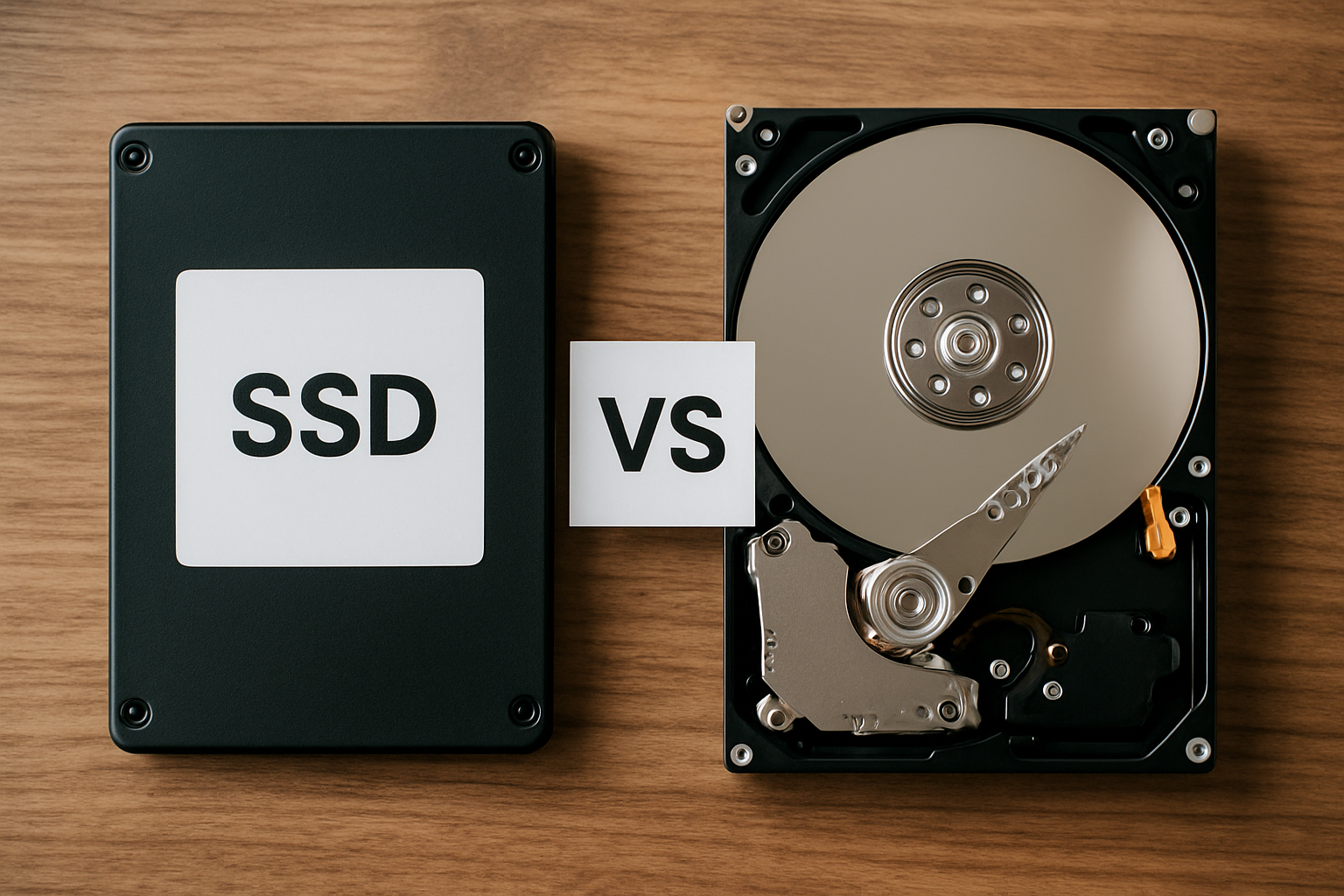
Physical hardware issues can lead to unexpected restarts. Begin by checking the RAM and hard drive for errors. Tools like built-in diagnostic tests can help identify problems. If issues persist, inspect the laptop’s power supply and connections, ensuring they are secure and functioning properly.
Overheating Prevention
Overheating can trigger automatic restarts as a safety measure. Regularly clean the laptop’s vents and fans to ensure proper airflow. Using the laptop on hard surfaces rather than soft ones also helps maintain airflow. Consider investing in a cooling pad to reduce temperature during intensive tasks.
Key Points:
- Identifying the cause is essential for effective troubleshooting.
- Regular maintenance can prevent overheating and hardware issues.
💡 Monitor your laptop’s temperature using software tools to prevent overheating.
💡 Keep your operating system and drivers updated to avoid software conflicts.
💡 Always perform a system restore before making significant changes to your laptop’s software.
Step-by-Step Solutions for Resolving Auto Restart Problems
Once the causes are identified, implementing targeted fixes can help resolve the auto restart issue. Start by addressing software-related problems through system restores or updates. If hardware issues are suspected, performing a thorough check and replacing faulty components may be necessary. Additionally, adjusting power settings can help prevent restarts due to power fluctuations. In extreme cases, reinstalling the operating system may be required to eliminate persistent software issues. Follow these steps methodically to ensure a comprehensive approach to the problem.
Restoring System Settings
If recent changes triggered the auto restart problem, consider using the system restore feature. Access this feature through the control panel to revert your laptop’s settings to a previous state. Ensure to back up important data, as this process may affect installed applications.
Adjusting Power Settings
In some instances, power settings can lead to unexpected restarts. Navigate to the power options in the control panel and select ‘Change plan settings.’ Ensure settings are optimized for performance, and disable any automatic restart options under advanced settings.
Reinstalling the Operating System
As a last resort, reinstalling the operating system can resolve persistent software issues. This process erases all data, so back up files beforehand. Follow the manufacturer’s guidelines for a clean installation to ensure compatibility and stability.
Key Points:
- System restore can effectively revert undesirable changes.
- Reinstalling the operating system should only be a last resort.
💡 Always create a backup before making significant changes to your system.
💡 Regularly check for BIOS updates, which can resolve compatibility issues.
💡 Consider performing regular maintenance checks to prevent future problems.
EXPERT TIPS Pro Advice
Use Safe Mode for Troubleshooting
Booting in Safe Mode can help isolate whether the issue is software-related, making it easier to identify and fix the root cause.
Keep Drivers Updated
Outdated drivers can lead to compatibility issues, contributing to auto restart problems. Regularly check for updates to ensure optimal performance.
Perform Regular Hardware Checks
Regularly inspecting hardware components like RAM and hard drives can preemptively catch issues before they lead to restarts.
Avoid Overloading the Laptop
Avoid running too many applications simultaneously, as this can strain resources and lead to instability, causing auto restarts.
Utilize Cooling Solutions
Using cooling pads or ensuring proper ventilation can significantly reduce the risk of overheating, preventing automatic restarts.
Frequently Asked Questions
Conclusion
Addressing the laptop auto restart problem involves understanding potential causes such as hardware issues, software conflicts, and overheating. By following troubleshooting steps like disabling automatic restart, checking for malware, and keeping drivers updated, users can effectively manage and resolve these issues.
🎯 Key Takeaways:
- Identify hardware and software causes for auto restarts.
- Disable automatic restart to troubleshoot effectively.
- Regularly clean your laptop to prevent overheating.
- Keep antivirus software updated to check for malware.
- Update drivers to ensure compatibility with the operating system.
Expert Advice: Stay proactive in maintaining your laptop by regularly checking for updates and monitoring performance. If issues persist, consider seeking professional assistance to avoid potential data loss or further damage.
Take the first step by reviewing your laptop settings today and implementing the tips discussed to enhance its stability.




Leave a Reply