Is your laptop stuck on the loading screen, leaving you frustrated and unsure of what to do? You’re not alone—this is a common issue faced by many users. When your laptop fails to boot past the loading screen, it can be a significant roadblock to getting your work done. As an experienced tech consultant, I’ve helped countless individuals troubleshoot and resolve this problem. In this article, you’ll discover effective strategies and step-by-step solutions to get your laptop back up and running smoothly. Whether it’s a software glitch or a hardware issue, we will cover essential methods to help you fix your laptop stuck on loading screen with confidence.
Understanding the Causes of a Laptop Stuck on the Loading Screen
A laptop stuck on the loading screen can be frustrating, and understanding the underlying causes is the first step to resolving the issue. Common reasons include software conflicts, corrupted system files, and hardware malfunctions. Each of these factors can prevent the operating system from booting properly, leading to a loading screen freeze. Identifying the cause is essential for applying the correct fix and preventing future occurrences.
Software Conflicts
Software conflicts often arise during system updates or when new applications are installed. An application that is incompatible with the operating system may disrupt the booting process. To address this, consider booting into Safe Mode, which loads only essential drivers and can help identify the problematic software.
Corrupted System Files
Corrupted system files can prevent the operating system from loading correctly. Issues may stem from sudden power outages or improper shutdowns. Running a system repair tool or performing a startup repair can help restore these files and get your laptop back to normal operation.
Hardware Malfunctions
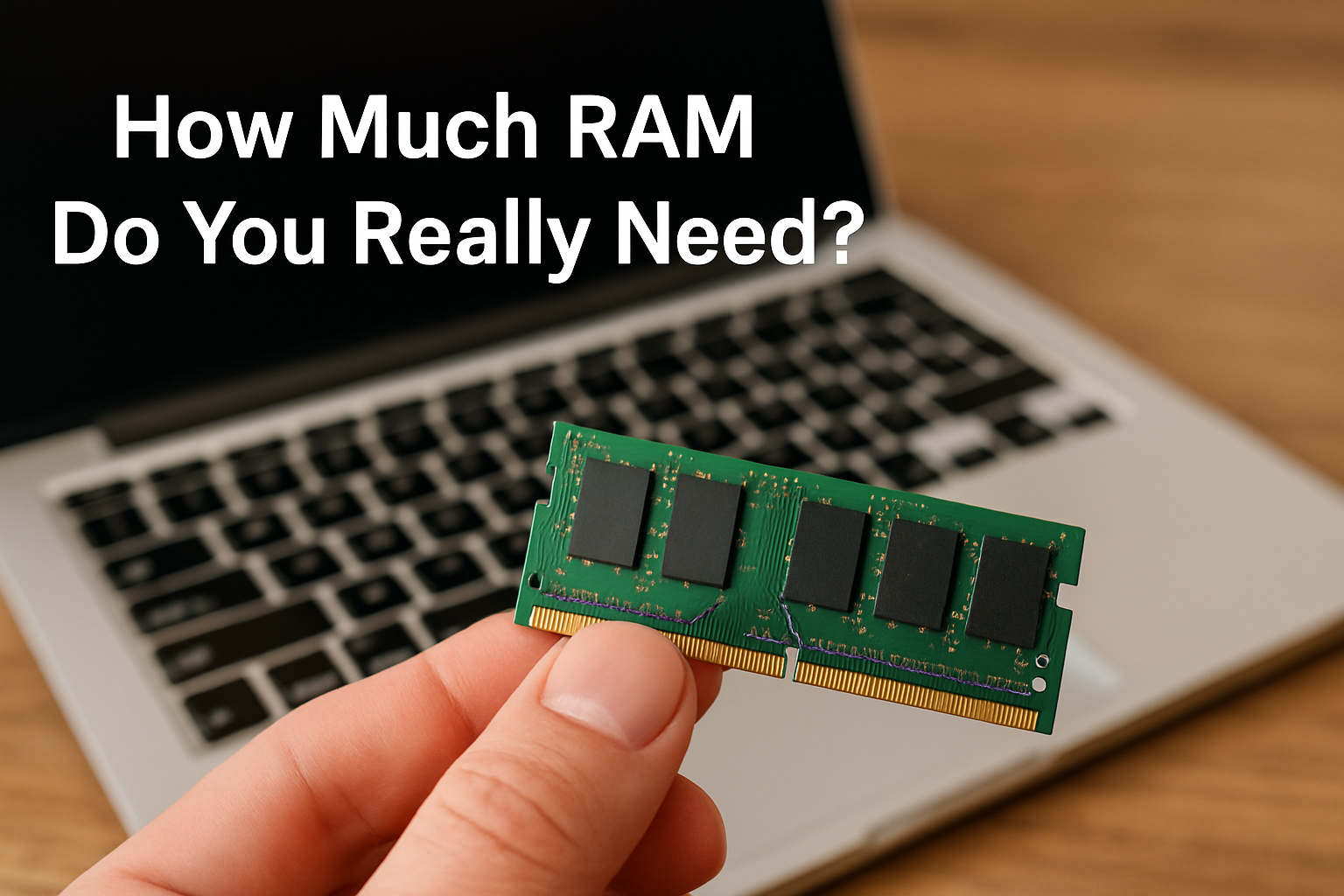
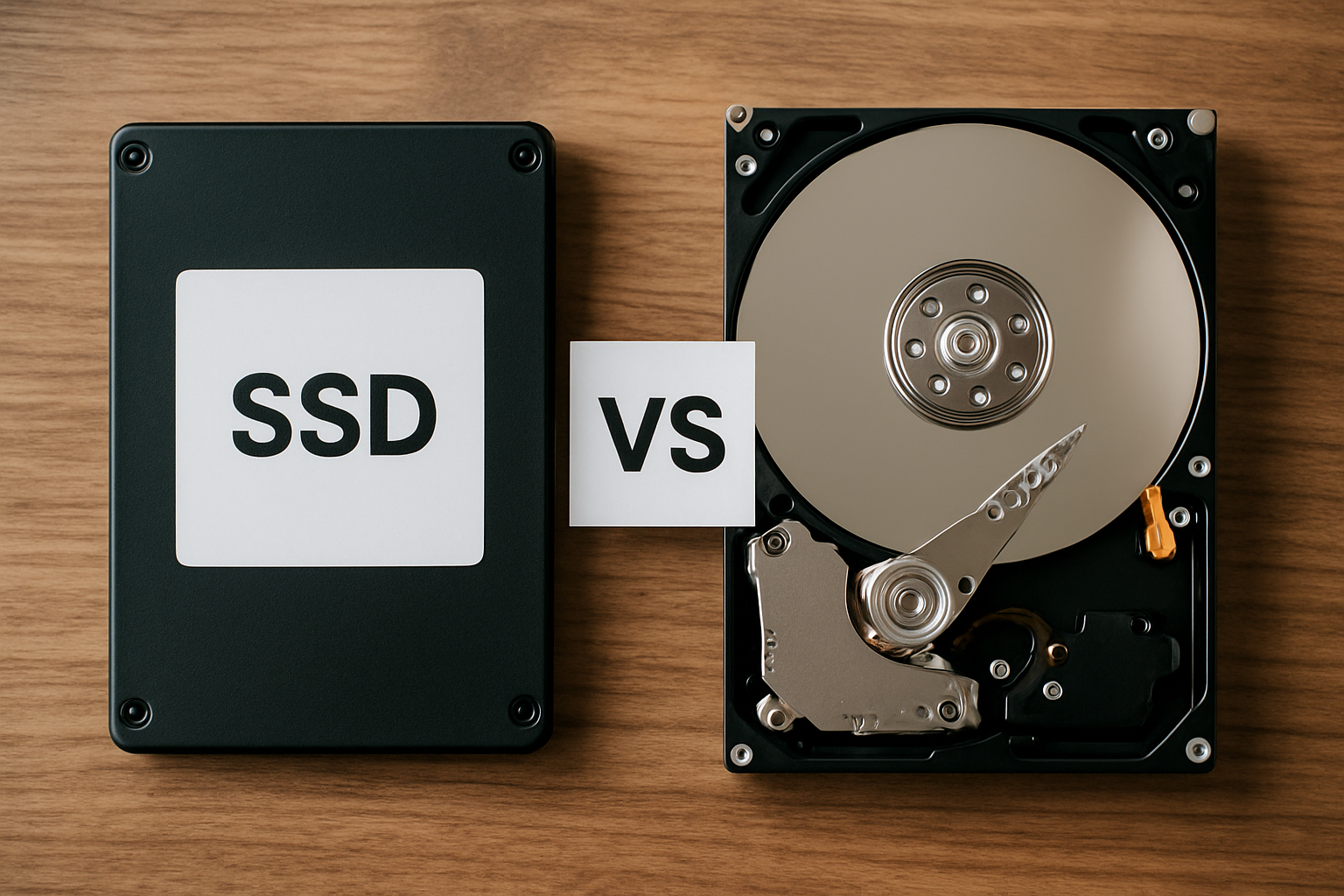
Hardware issues, such as failing hard drives or faulty RAM, can also cause loading screen problems. If software solutions do not work, it may be necessary to run hardware diagnostics. Many laptops have built-in tools to check for hardware failures, which can guide you through potential fixes.
Key Points:
- Identify the cause before attempting fixes
- Software conflicts are common culprits
- Hardware diagnostics may be necessary
Initial Troubleshooting Steps for Fixing a Laptop Stuck on Loading Screen
Before diving into more complex solutions, there are several initial troubleshooting steps you can take to resolve a laptop stuck on the loading screen. These steps are straightforward and can often lead to a quick resolution. Start with basic checks, such as ensuring all cables are connected and the battery is charged. If these checks do not resolve the issue, consider performing a hard reset, which can clear temporary glitches in the system.
Check Connections and Power
Begin by checking all external connections, including power cables and peripherals. Ensure the laptop is charged, and if it’s plugged in, verify that the outlet is functional. A simple power cycle—turning the laptop off and on again—can sometimes resolve minor issues causing the loading screen freeze.
Perform a Hard Reset
A hard reset can be effective for clearing temporary issues. To perform a hard reset, disconnect the power supply, remove the battery (if applicable), and hold the power button for about 15-20 seconds. Reconnect the battery and power supply, then attempt to boot the laptop again.
Boot into Safe Mode
If the laptop continues to be stuck, try booting into Safe Mode. This mode allows only essential system programs to run, which can help identify if a recent change is causing the issue. Accessing Safe Mode typically involves pressing a specific key during startup, such as F8 or Shift + F8, depending on the laptop’s configuration.
Key Points:
- Start with simple checks before complex solutions
- A hard reset can clear minor glitches
- Safe Mode helps identify software-related issues
Initial Troubleshooting Steps
When facing a laptop stuck on the loading screen, the first step is to perform basic troubleshooting. Start by performing a hard reset. Disconnect the power, remove the battery (if possible), and hold the power button for 15 seconds. This can clear temporary glitches. Next, check for external devices that may cause conflicts, such as USB drives or external hard drives. Remove all peripherals and reboot your laptop. If the issue persists, consider booting into Safe Mode. This allows you to start Windows with a minimal set of drivers, which can help determine if the issue is software-related.
Performing a Hard Reset
A hard reset can resolve many issues related to firmware and hardware conflicts. To perform this reset, ensure your laptop is powered off, disconnect the charger, and take out the battery if applicable. Press and hold the power button for approximately 15 seconds. This action drains residual power, potentially clearing temporary files or settings that may be causing the loading screen issue.
Booting in Safe Mode
To access Safe Mode, restart your laptop and repeatedly press the F8 key (or Shift + F8 on some systems) before the Windows logo appears. Once in the Advanced Boot Options menu, select ‘Safe Mode’ using the arrow keys and press Enter. In Safe Mode, only essential drivers load, allowing you to troubleshoot further, such as uninstalling recently added software or checking for malware.
Key Points:
- Start with a hard reset to clear potential glitches.
- Booting in Safe Mode can help isolate the issue.
💡 Always back up data regularly to prevent loss during troubleshooting.
💡 Keep your laptop’s operating system and drivers updated to avoid compatibility issues.
Advanced Troubleshooting Techniques
If basic troubleshooting doesn’t resolve the issue, you may need to dive deeper into system recovery options. Consider using Startup Repair, which is accessible from the Windows installation media or recovery environment. This tool can fix problems that prevent Windows from loading. If Startup Repair fails, the next step is to perform a System Restore, reverting your laptop to a previous state when it was functioning correctly. Lastly, if all else fails, a complete system reset or reinstalling the operating system may be necessary, but ensure all data is backed up first.
Utilizing Startup Repair
Startup Repair is a built-in Windows tool designed to fix common startup problems. To access it, boot from a Windows installation media or recovery disk. Select ‘Repair your computer,’ navigate to ‘Troubleshoot,’ and then select ‘Startup Repair.’ Follow the prompts to allow Windows to automatically diagnose and repair issues that may be causing your laptop to get stuck on the loading screen.
Performing a System Restore
System Restore allows you to revert your laptop’s system files and settings to a previous state. To use this feature, access the recovery environment through installation media. Choose ‘Troubleshoot,’ then ‘Advanced options,’ and select ‘System Restore.’ Follow the prompts to select a restore point from before the issue started. This can often resolve conflicts created by recent software changes.
Key Points:
- Startup Repair can automatically fix many loading issues.
- System Restore provides a way to revert to a stable state.
💡 Always create a recovery disk prior to major updates for emergency access.
💡 Regularly test your system restore points to ensure they are functional.
EXPERT TIPS Pro Advice
Check for hardware issues
Hardware failures, like faulty RAM or hard drives, may cause loading issues. Run diagnostic tests if available to pinpoint hardware problems.
Keep your BIOS updated
An outdated BIOS can lead to compatibility issues. Regularly check the manufacturer’s website for updates to ensure your system operates smoothly.
Use a clean boot for troubleshooting
Performing a clean boot helps eliminate software conflicts. Start Windows with a minimal set of drivers and services to identify the source of the issue.
Consider professional help if needed
Sometimes, technical issues can be complex. If you’re unable to resolve the problem, seeking professional assistance can save time and prevent further damage.
Frequently Asked Questions
Conclusion
Experiencing a laptop stuck on the loading screen can be frustrating, but understanding potential causes and solutions is vital. Restarting, using safe mode, and performing regular maintenance can help resolve and prevent these issues. Always consider hardware checks if problems persist.
🎯 Key Takeaways:
- Identify potential software or hardware causes of loading issues.
- Use safe mode for troubleshooting without data loss.
- Regular maintenance can prevent loading screen problems.
- Consider hardware repairs if software solutions fail.
Expert Advice: Stay proactive in maintaining your laptop’s health. Regular updates and diagnostics can save you from frustrating loading issues. Don’t hesitate to seek professional help if hardware problems arise.
Take a moment to assess your laptop’s current condition and perform any needed maintenance to ensure it runs smoothly.




Leave a Reply