
Have you ever turned on your laptop only to be met with a frustrating black screen? You’re not alone; this issue plagues countless users and can stem from various causes, from hardware failures to software glitches. Understanding how to fix a laptop black screen on startup is essential for maintaining productivity and avoiding costly repairs. In this guide, we will draw on years of technical expertise to walk you through the most effective troubleshooting steps. You’ll learn how to identify the root cause of the problem, implement simple fixes, and explore advanced solutions when necessary. With the right approach, you’ll be able to restore your laptop to working condition in no time.
Understanding the Laptop Black Screen Issue
A black screen on startup can indicate various underlying problems, from hardware failures to software conflicts. Understanding the root cause is crucial for effective troubleshooting. Common reasons include faulty display components, corrupt operating system files, or issues with the graphics card. Users should pay attention to any sounds, lights, or error messages as these can provide clues. Recognizing that the issue may be temporary is also important; sometimes, a laptop may simply need a reset or a moment to boot properly.
Common Causes of Black Screen on Startup
The black screen issue can stem from several causes. Hardware failures such as a malfunctioning display or loose connections often lead to this problem. Software-related issues like corrupted drivers or a failed operating system update can also trigger a black screen. Additionally, overheating components may cause the system to shut down unexpectedly, leading to startup issues.
Importance of Initial Diagnosis
Before proceeding with repairs, an initial diagnosis is essential. Checking for power supply issues, observing whether the laptop shows signs of booting (like fan sounds), or connecting to an external monitor can help identify the problem. This step ensures that unnecessary repairs or adjustments aren’t made, saving time and effort.
Key Points:
- Identify potential causes of the black screen
- Conduct initial diagnostics before attempting fixes
Basic Troubleshooting Steps
When facing a black screen on startup, following a systematic approach can help resolve the issue. Start by performing a hard reset, which involves unplugging the laptop, removing the battery (if possible), and holding down the power button for about 15 seconds. This action can clear temporary glitches that interrupt normal startup. Next, try booting in Safe Mode to see if a recent change caused the issue, allowing you to troubleshoot further. If the laptop responds, you may focus on software-related fixes such as uninstalling recent updates or drivers.
Performing a Hard Reset
A hard reset can often restore functionality by clearing temporary data. To perform this, disconnect the power supply and remove the battery. Press and hold the power button for 15-20 seconds, then reconnect the power and battery. This process can reset the laptop’s state, allowing it to boot properly.
Booting in Safe Mode
Booting in Safe Mode can help isolate the problem. This mode loads only essential drivers and services, which can clarify whether the issue is software-related. To access Safe Mode, repeatedly press the F8 key as the laptop starts up. If successful, you can then troubleshoot further by rolling back recent updates or uninstalling problematic software.
Key Points:
- Start with a hard reset to clear glitches
- Use Safe Mode for targeted troubleshooting

Understanding the Causes of Black Screen on Startup
A laptop black screen on startup can stem from various issues, making it essential to identify the root cause. Common culprits include hardware failures, software corruption, or power supply problems. By understanding these causes, you can apply the right solutions effectively. A systematic approach is crucial; starting with the simplest fixes can save time and effort, potentially reducing the need for professional repair services.
Hardware Issues
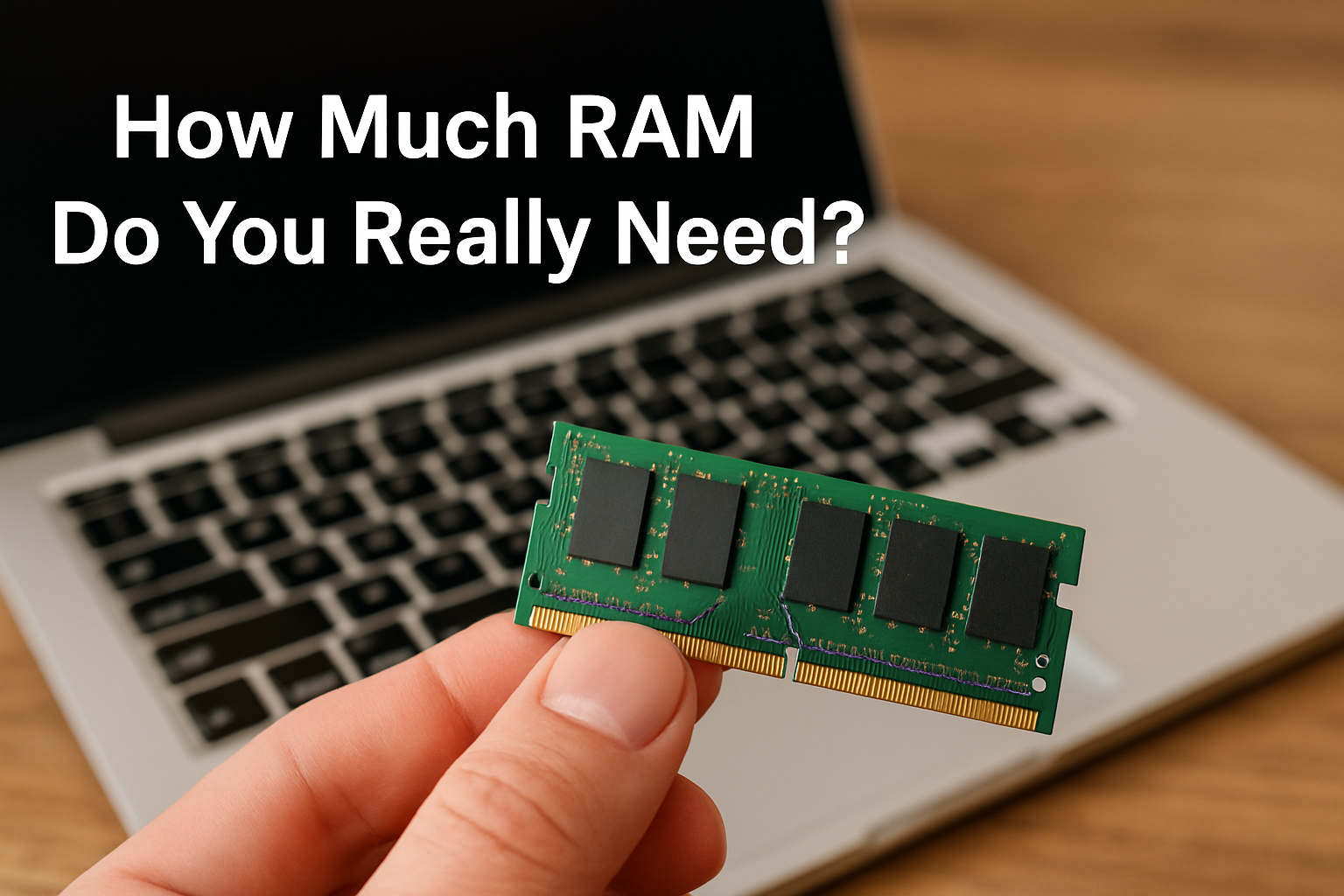
Hardware failures, such as a malfunctioning GPU or RAM, often result in a black screen. To diagnose hardware problems, listen for unusual sounds during startup or observe LED indicators. If you suspect hardware failure, reseating components like RAM can sometimes resolve the issue. If problems persist, professional assessment might be necessary.
Software Corruption
Corrupted operating system files can lead to startup failures, manifesting as a black screen. Booting in safe mode can help determine if the issue is software-related. If successful, running system recovery options may restore functionality. Regular backups can prevent data loss in such situations.
Power Supply Problems
A lack of sufficient power can cause a laptop to fail during startup, leading to a black screen. Check the power adapter and battery status. If the laptop shows signs of life but still doesn’t boot, performing a hard reset by removing the battery and pressing the power button can sometimes resolve power-related issues.
Key Points:
- Identify whether the issue is hardware, software, or power related.
- Booting in safe mode can help isolate software problems.
- Performing a hard reset can resolve power-related issues.
💡 Always start by checking power connections as they are often overlooked.
💡 Listening for unusual sounds can help identify hardware issues early.
💡 Regularly back up your data to prevent loss from software issues.
Step-by-Step Troubleshooting for Black Screen Issues
Troubleshooting a black screen on startup involves a methodical approach. Start with basic checks, and if those do not resolve the issue, proceed to advanced troubleshooting steps. Each step should be carefully followed, as skipping steps can lead to confusion and may prolong the troubleshooting process.
Basic Troubleshooting Steps
Begin by ensuring the laptop is charged and all connections are secure. Perform a hard reset by removing the battery and disconnecting the power supply, then pressing the power button for 15 seconds. Reconnect everything and attempt to restart the laptop. This often resolves simple power-related issues.
Advanced Troubleshooting Techniques
If basic steps fail, consider booting from an external device, such as a USB drive with recovery software. This can help determine if the issue lies with the operating system. Additionally, accessing the BIOS/UEFI settings can verify whether hardware components are recognized by the system.
Seeking Professional Help
When all troubleshooting efforts fail, it may be time to consult a professional. A technician can conduct a more thorough diagnosis, potentially identifying issues that require replacement parts or advanced repairs. Always ensure that you provide a clear description of the problem for effective assistance.
Key Points:
- Start troubleshooting with basic checks before progressing to advanced techniques.
- Booting from external devices can help identify OS-related issues.
- Consult a professional when troubleshooting fails to avoid further damage.
💡 Perform a hard reset before diving into complex troubleshooting.
💡 Booting from an external device can help isolate software issues.
💡 Keep a detailed log of symptoms to share with technicians for quicker diagnosis.
EXPERT TIPS Pro Advice
Prioritize basic fixes
Starting with basic checks can save time and prevent unnecessary complications later in the troubleshooting process.
Document symptoms
Keeping a log of what you’ve tried and the symptoms observed can help technicians diagnose the problem more effectively.
Regular maintenance
Performing regular maintenance, such as cleaning dust from vents and updating software, can prevent future black screen issues.
Be cautious with DIY repairs
While troubleshooting, be careful with hardware components. Improper handling can lead to further damage.
Use safe mode strategically
Booting into safe mode is an effective way to troubleshoot software issues without interference from third-party applications.
Frequently Asked Questions
Conclusion
A black screen on startup can stem from various issues including hardware malfunctions or software corruption. Simple troubleshooting steps like hard resets, checking connections, and using safe mode can often resolve the problem. Preventative maintenance is key for future protection.
🎯 Key Takeaways:
- Identify potential hardware and software causes.
- Perform hard resets and check connections as first steps.
- Use safe mode for diagnosis and repair.
- Consider a factory reset as a last resort.
- Regular maintenance can help prevent issues.
Expert Advice: Stay proactive about your laptop’s health by keeping software updated and performing regular checks. Always back up your data to minimize loss during troubleshooting.
If you’re still experiencing issues, consider consulting a professional for further diagnosis and support.






Leave a Reply