Experiencing a lagging laptop after an update can be incredibly frustrating, impacting your productivity and overall experience. In fact, studies show that nearly 30% of users report performance issues following system updates. As an expert in troubleshooting and optimizing computer performance, I understand the common causes of this problem and how to address them effectively. In this article, you will learn various strategies to fix laptop lagging after an update, ensuring your device runs smoothly and efficiently once again. From adjusting settings to exploring system restore options, we will cover everything you need to know to revive your laptop’s speed.
Understanding Laptop Lag After Updates
Laptop lagging after an update can be a frustrating experience for users. This lag often stems from incompatibilities between the new software and existing hardware or drivers. It can manifest as slow boot times, delayed responses, and stuttering performance during tasks. Recognizing the potential causes is crucial in addressing the issue effectively. Factors such as outdated drivers, background updates, and system resource allocation can all contribute to the lag. Understanding these elements lays the groundwork for effective troubleshooting and resolution.
Common Causes of Lag
Several factors can lead to lag after an update. One primary cause is outdated drivers that do not support new software functionalities. Additionally, updates may require more system resources, leading to performance bottlenecks. Background processes, such as automatic updates or indexing, can also consume valuable resources, exacerbating the lag issue.
Impact of System Resources
Updates can increase the demand for system resources like RAM and CPU. If your laptop has limited specifications, it might struggle to handle these demands. Monitoring resource usage through task management tools can reveal if any processes are consuming excessive resources, helping you pinpoint the source of the lag.
The Role of Background Processes
After an update, various background processes may become active, which can slow down your laptop. Services such as Windows Update or indexing can run without your knowledge, using up CPU and memory. Identifying and managing these processes can significantly improve system performance post-update.
Key Points:
- Lag can be caused by outdated drivers and increased resource demands
- Background processes often contribute to performance issues
Initial Troubleshooting Steps
When facing laptop lag after an update, taking systematic troubleshooting steps can help identify the root cause. Start by restarting the laptop, as this can clear temporary glitches. Next, check for additional updates that may address known issues. Regular system maintenance, such as clearing cache and temporary files, can also improve performance. By following these initial steps, users can effectively narrow down potential problems and find solutions more efficiently.
Restart Your Laptop
A simple restart can often resolve temporary performance glitches. This action clears the system memory and stops unnecessary processes that might be running in the background. It’s a quick and easy first step that can sometimes restore normal functionality.
Check for Additional Updates
Sometimes, initial updates can introduce bugs that are quickly addressed in subsequent patches. Regularly checking for additional updates ensures that you have the latest bug fixes and performance improvements, which can significantly reduce lag.
Perform System Maintenance
Regular system maintenance, such as deleting temporary files and cache, can free up valuable disk space and improve performance. Using built-in tools for disk cleanup helps streamline operations, making your laptop run more efficiently after updates.
Key Points:
- Restarting can resolve temporary glitches
- Regular maintenance helps keep the system running efficiently
Identifying the Causes of Laptop Lagging After an Update
When a laptop begins to lag after an update, the first step is to identify potential causes. Updates may introduce new software that requires more system resources, leading to slower performance. Additionally, compatibility issues between the new software and existing hardware can result in lag. Lastly, background processes may spike after an update, consuming CPU and memory resources. Understanding these causes is crucial for effectively troubleshooting and resolving the issue.
Resource-Intensive Processes
After an update, some processes may become resource-intensive. Open the Task Manager (Windows) or Activity Monitor (Mac) to check which applications are consuming the most CPU and memory. If a specific application is using an excessive amount of resources, consider updating it, reinstalling it, or finding an alternative.
Driver and Software Compatibility
Updates can sometimes lead to compatibility issues with drivers and existing software. Check for updated drivers from your hardware manufacturer that align with the latest operating system. If a known issue arises, rolling back the driver to a previous version may restore performance.
💡 Regularly monitor system updates to anticipate changes that might affect performance.
💡 Keep a log of installed updates to identify correlations between updates and performance issues.
Practical Solutions to Resolve Laptop Lagging
Once you’ve identified the causes of lagging, implement specific solutions to enhance performance. Start by optimizing startup programs that run automatically when the laptop boots. Uninstall unnecessary applications that may be consuming resources. Additionally, consider performing system maintenance tasks such as disk cleanup and defragmentation to improve speed and efficiency. These steps can significantly reduce lag after an update.
Optimizing Startup Programs
Many programs automatically start with your laptop, consuming resources. Access the Startup tab in Task Manager (Windows) or System Preferences (Mac) to disable unnecessary applications. This action can speed up boot times and free up RAM for essential tasks.
Performing System Maintenance
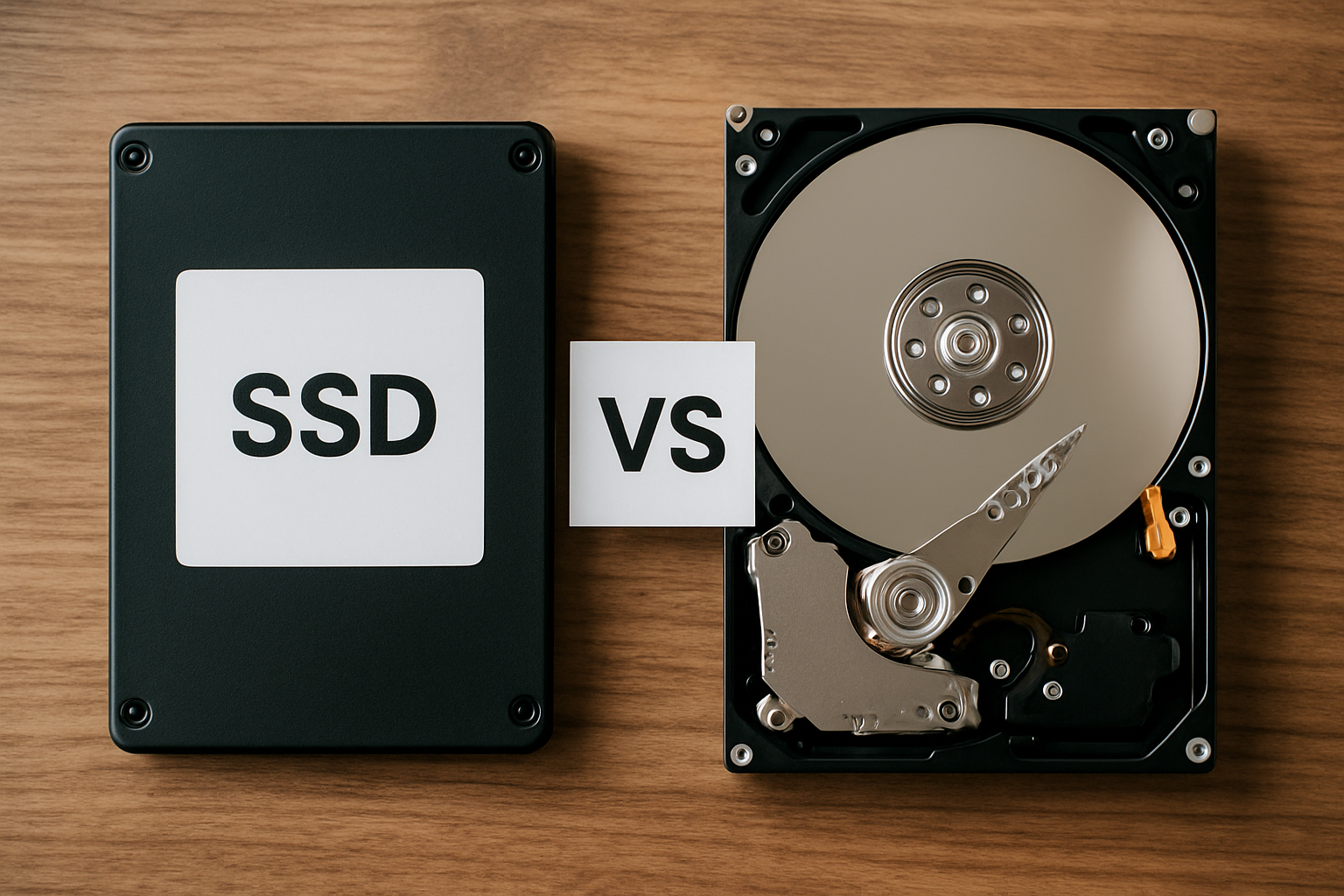
Regular system maintenance is vital for optimal performance. Utilize built-in tools for disk cleanup, which removes temporary files and frees up space. If you’re using a hard drive, consider defragmenting it to enhance data access speed. These actions can lead to noticeable improvements in performance.
💡 Set a reminder to regularly perform system maintenance tasks to keep your laptop running smoothly.
💡 Uninstall applications you haven’t used in the last six months to free up system resources.
EXPERT TIPS Pro Advice
Check for Background Updates
Background updates can slow down your laptop. Ensure these are disabled or scheduled for off-peak hours to maintain performance.
Adjust Power Settings
Switch to a high-performance power plan in your settings if available. This can help maximize your laptop’s capabilities during demanding tasks.
Increase RAM if Possible
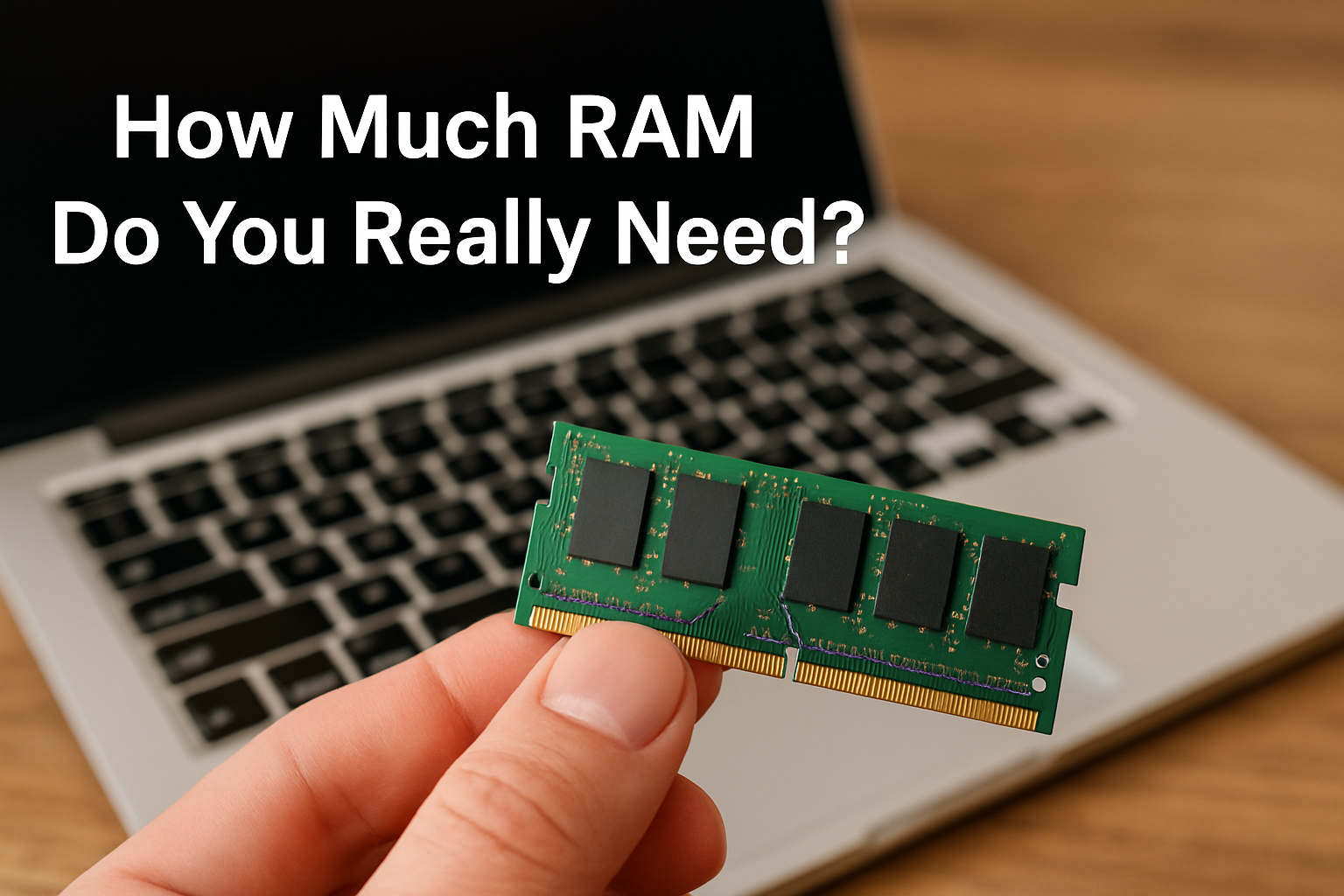
If lag persists after updates, consider upgrading your RAM. Adding more memory can vastly improve performance, especially when multitasking.
Regularly Back Up Your Data
Regular backups ensure you can easily restore your system to a previous state if an update causes significant lag or issues.
Utilize System Restore Points
Creating restore points before updates allows you to revert to a stable state if new updates negatively impact performance.
Frequently Asked Questions
Conclusion
Laptop lagging after an update can stem from various issues like background processes, outdated drivers, or startup programs. By systematically troubleshooting these areas—checking resource usage, updating drivers, or disabling unnecessary applications—you can restore performance. Rolling back updates or seeking professional help may also be necessary.
🎯 Key Takeaways:
- Check Task Manager for resource-heavy processes.
- Update drivers to ensure compatibility.
- Disable unnecessary startup programs.
- Consider rolling back the update if issues persist.
- Regular maintenance can prevent future lag.
Expert Advice: Stay proactive with system maintenance and updates, as this can significantly enhance your laptop’s performance. Regularly check for driver updates and optimize settings to ensure a smooth computing experience.
Take a moment to assess your laptop’s performance and apply these troubleshooting tips to experience a faster, more efficient machine.



Leave a Reply