Have you ever experienced your laptop losing internet connection every time it’s plugged in for charging? This frustrating issue affects many users, but understanding the root causes can help you find reliable solutions. As a tech expert with over 15 years of experience, I can provide insights into the various factors that may contribute to your laptop’s connectivity problems while charging. In this article, we will explore potential reasons behind this phenomenon, from hardware conflicts to power management settings. By the end, you’ll be equipped with the knowledge needed to troubleshoot and resolve these issues, ensuring a stable internet connection regardless of your laptop’s charging status.
Understanding the Issue of Internet Connectivity During Charging
Many laptop users encounter the frustrating issue of losing internet connectivity when their device is charging. This problem can stem from various causes related to power management settings, hardware conflicts, or even software glitches. Understanding these factors is crucial for troubleshooting and resolving the issue effectively. This section will explore the common reasons for this phenomenon and provide insights into how to diagnose the underlying cause. Having a grasp on these issues will empower users to take appropriate steps to maintain stable internet access while charging their laptops.
Power Management Settings
One of the primary reasons a laptop loses internet when charging can be attributed to its power management settings. Windows and other operating systems often adjust network performance to save energy. For instance, the Wi-Fi adapter may switch to a low-power state when it detects that the laptop is plugged in, causing connectivity drops. Checking and adjusting these settings can often resolve the issue.
Hardware Conflicts
Another potential factor is hardware conflicts, particularly between the laptop’s charging circuit and its network adapter. When the laptop is charging, the power supply can introduce electrical interference that disrupts the Wi-Fi signal. This interference may be due to grounding issues or faulty components. Examining the laptop’s hardware configuration can help identify these problems.
Key Points:
- Power management settings can affect network stability
- Hardware conflicts may cause intermittent connectivity issues
Identifying and Troubleshooting the Connectivity Issue
To effectively address the issue of losing internet connectivity while charging, users should follow a structured approach to identify the root cause. This involves examining both software and hardware aspects of the laptop. By systematically troubleshooting, users can pinpoint the reasons behind the connectivity loss and apply the necessary fixes. This section will outline the steps to take when diagnosing the problem, ensuring a comprehensive understanding of the issue at hand.
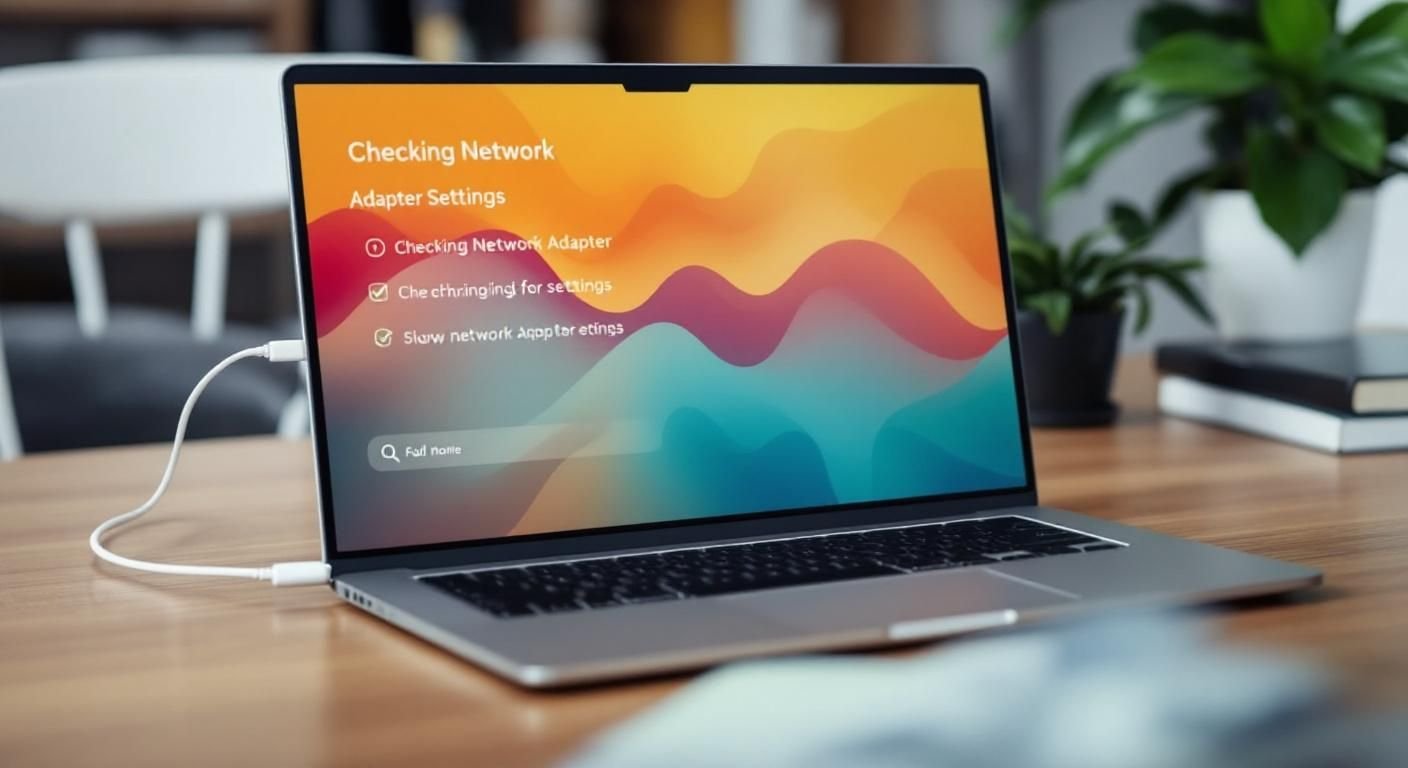
Checking Network Adapter Settings
Start by reviewing the network adapter settings in your operating system. Ensure that the Wi-Fi adapter is enabled and that there are no restrictions set for power management. Disabling the option that allows the computer to turn off the device to save power can often help maintain a stable internet connection while charging.
Updating Drivers and Software
Outdated drivers and software can also lead to connectivity issues. Regularly updating the laptop’s operating system and network drivers helps ensure compatibility and performance improvements. Check for updates through the device manager or the system settings, and apply any available updates to mitigate potential issues.
Key Points:
- Systematic troubleshooting can reveal the cause of issues
- Regular updates help maintain network performance
Understanding Power Management Settings
Power management settings on laptops can significantly impact internet connectivity when charging. When a laptop is plugged in, it often adjusts its power consumption profiles, which can affect both Wi-Fi performance and network stability. In some instances, the system may prioritize energy savings over performance, leading to intermittent internet drops. Understanding these settings allows users to optimize their laptop for consistent connectivity while charging.
Power Saving Mode
Many laptops have a power-saving mode that reduces performance to extend battery life. When the laptop is connected to a charger, it might still engage these settings, causing the Wi-Fi adapter to enter a low-power state. To counter this, users should check the power settings and ensure that the Wi-Fi adapter is set to maximum performance when plugged in.
Advanced Power Options
Advanced power options provide users with specific controls over how their laptop manages resources. By navigating to the power options in the control panel, users can disable settings that limit the performance of the network adapter when charging. Adjusting these settings can help maintain a stable internet connection.
Key Points:
- Power management settings can affect Wi-Fi stability.
- Adjusting settings can lead to improved connectivity.
💡 Regularly check your power settings to ensure optimal performance when charging.
Hardware and Driver Considerations
Hardware components and device drivers play a crucial role in maintaining internet connectivity during charging. Issues can arise from outdated drivers, conflicts between hardware components, or even grounding issues that might interfere with the internet signal. Understanding these factors can help in diagnosing and resolving connectivity problems.
Driver Updates
Keeping your network adapter drivers updated is essential for optimal performance. Outdated drivers can lead to compatibility issues, especially when the laptop transitions between battery and charging modes. Regularly check for updates through the device manager to ensure that your laptop’s network capabilities are functioning correctly.
Hardware Conflicts
Sometimes, the hardware components in a laptop can conflict with one another, particularly when charging. This can lead to instability in the network connection. If issues persist, consider checking for any loose connections or consulting with a technician to diagnose potential hardware conflicts.
Key Points:
- Hardware issues can impact internet stability.
- Driver updates are crucial for connectivity.
💡 Ensure your drivers are updated to prevent connectivity issues.
EXPERT TIPS Pro Advice
Monitor temperature while charging
Excessive heat can affect hardware performance. Ensure your laptop is well-ventilated to prevent overheating, which can lead to connectivity issues.
Run a network troubleshooter
Using the built-in network troubleshooter can help identify and resolve common connectivity problems quickly, especially when experiencing drops while charging.
Check for interference
Other electronic devices can interfere with Wi-Fi signals. Ensure that your laptop is positioned away from these devices when charging.
Keep your laptop’s firmware updated
Firmware updates can address bugs and improve system performance. Regular updates enhance overall device stability and internet connectivity.
Consider power supply quality
Using a low-quality charger can lead to unstable power delivery, affecting network performance. Always opt for reliable power sources.
Frequently Asked Questions
Conclusion
Experiencing internet loss when charging your laptop can stem from power settings, electrical interference, or adapter issues. By troubleshooting various factors such as settings adjustments, power supply checks, and hardware inspections, you can often resolve connectivity problems and maintain a stable internet connection.
🎯 Key Takeaways:
- Electrical interference may disrupt Wi-Fi when charging.
- Adjusting power settings can improve connectivity.
- Troubleshooting steps include restarting devices and checking drivers.
- Wi-Fi performance may differ between charging and battery modes.
Expert Advice: Regularly monitor your laptop’s performance and settings while charging. Keeping software updated and ensuring hardware is functioning properly will help maintain consistent internet connectivity.
If you’re facing ongoing issues, take the time to explore your device settings and consult technical resources for further assistance.



Leave a Reply