Have you ever wondered why do custom computers cost more than pre-built ones? The answer lies in the intricate balance of quality, performance, and personalization. As technology advances, consumers are increasingly seeking tailored solutions that fit their unique needs. This demand, however, comes with a price. In this article, we will delve into the various factors that contribute to the higher costs of custom computers, including the components used, labor involved in building, and the benefits of customization. By the end, you will understand why investing in a custom PC might be worth every penny and how to make informed decisions in your tech purchases.
Understanding Custom Computers
Custom computers are built to specific user requirements, which often results in higher costs compared to pre-built systems. The main reasons for this price difference include specialized components, tailored configurations, and the expertise involved in assembly. When consumers opt for a custom computer, they can select high-performance parts, ensuring that the system meets their unique needs for gaming, graphic design, or other intensive tasks. This personalization can drive up costs significantly, particularly if premium components are chosen.
Specialized Components
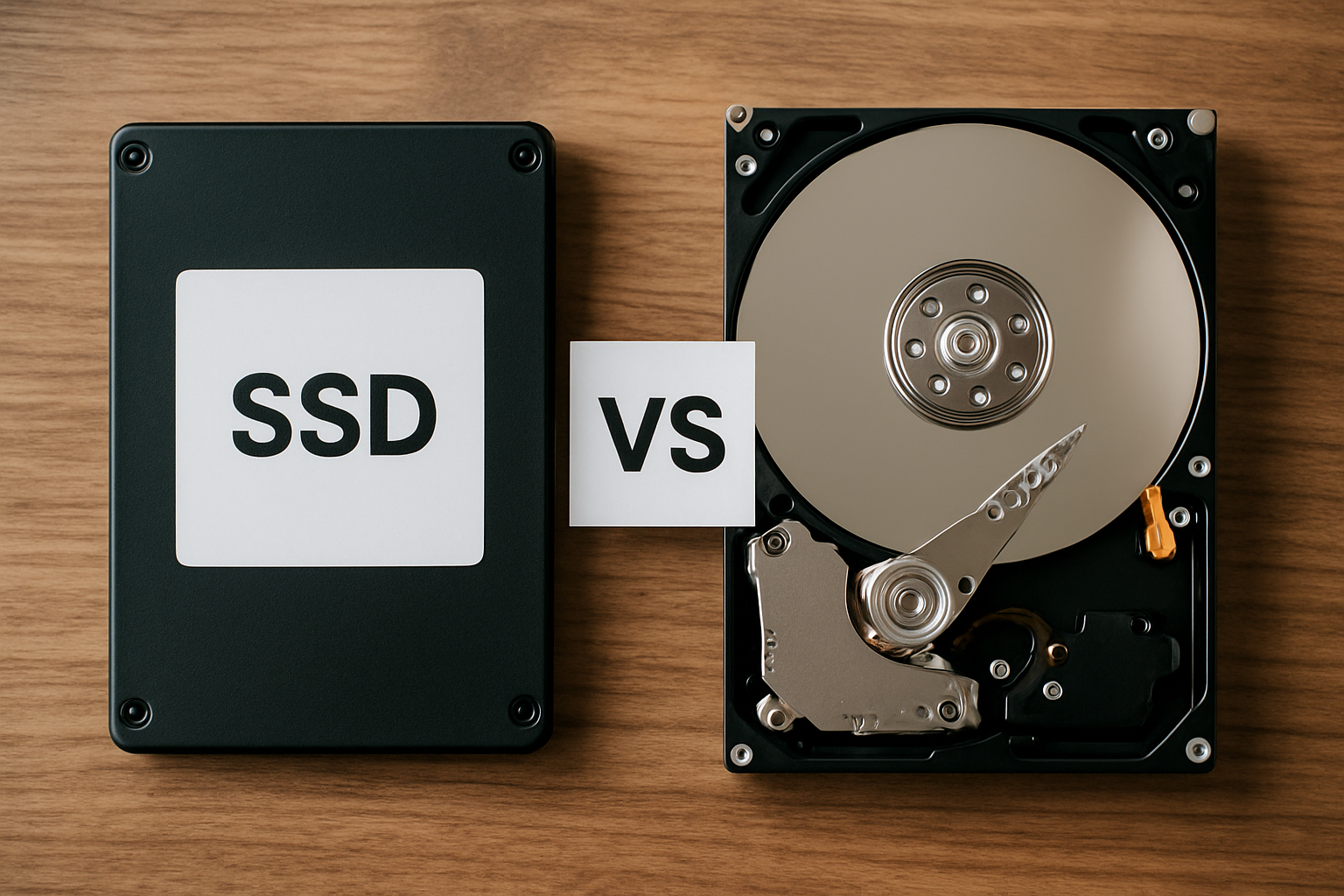
Custom computers often incorporate specialized components such as high-end graphics cards, fast SSDs, and powerful CPUs. These parts are designed for performance and reliability, which usually come at a premium. Additionally, sourcing components that are not mass-produced can lead to higher prices due to limited availability and demand.
Tailored Configurations
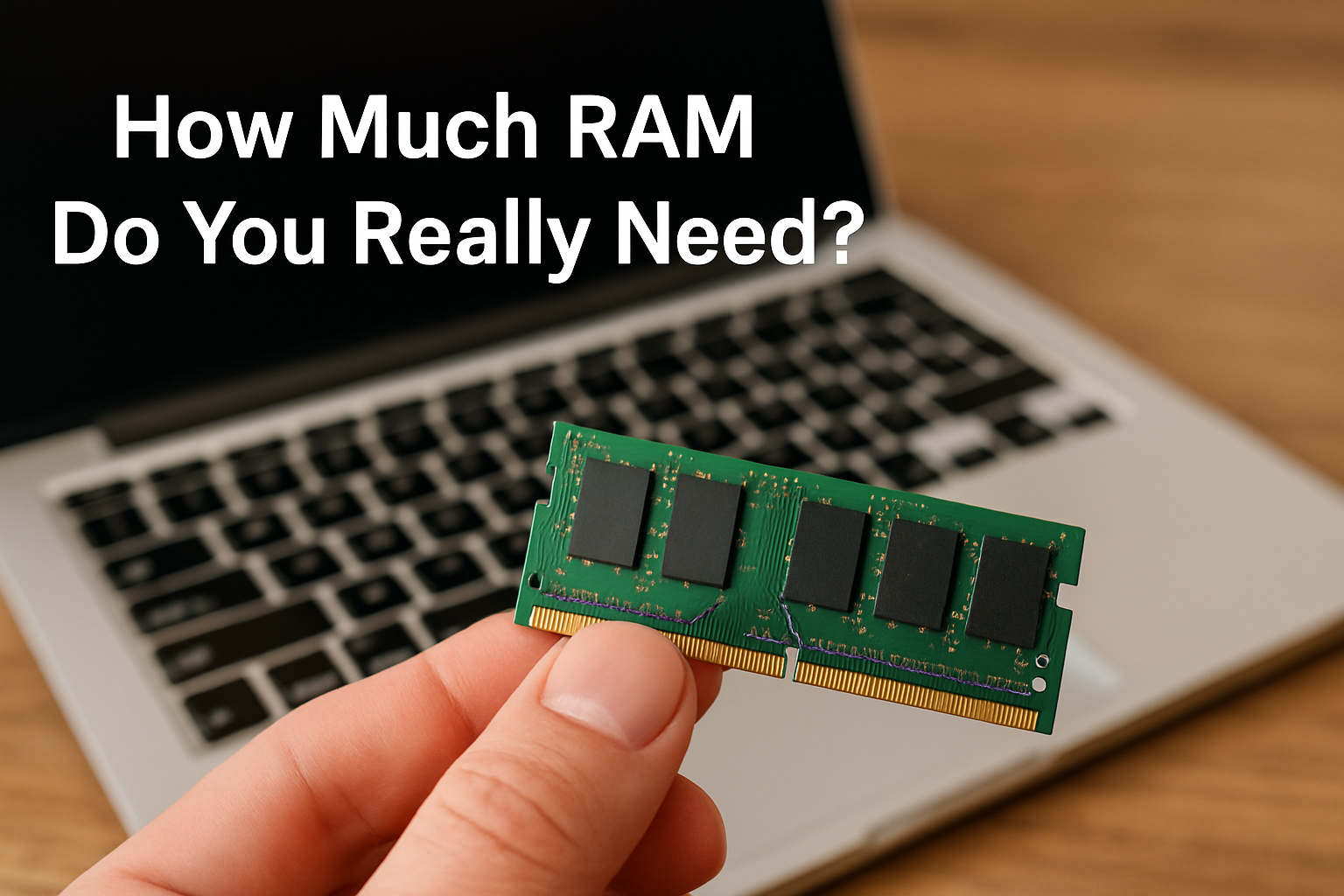
With custom builds, users can create configurations that cater specifically to their needs. This means selecting exact amounts of RAM, specific cooling solutions, and other features that may not be available in standard models. Each choice can add to the overall cost, reflecting the complexity and customization involved.
Expert Assembly and Support
Building a custom computer often requires a level of expertise that adds to the overall cost. Skilled technicians may charge more for their services, ensuring that each component is installed correctly and optimized for performance. Moreover, custom builders often provide ongoing support, which can further increase the initial investment.
Key Points:
- Custom computers are tailored to specific needs, often driving up costs.
- Specialized components and expert assembly contribute to the higher price.
Comparing Custom and Pre-Built Systems
When evaluating why custom computers cost more, it’s essential to compare them with pre-built systems. Pre-built computers are typically manufactured in bulk, allowing for economies of scale that reduce prices. In contrast, custom builds involve unique parts and configurations, leading to higher costs. Additionally, pre-built systems often use generic components, which can limit performance but keep prices lower. Custom systems prioritize performance and personalization, making them a worthwhile investment for users seeking specific capabilities.
Economies of Scale
Manufacturers of pre-built computers benefit from economies of scale, as they produce large quantities of similar systems. This mass production reduces costs for components and assembly, allowing them to offer lower prices to consumers, unlike custom builds that are unique and built on demand.
Generic vs. Premium Components
Pre-built computers often utilize generic components that are cost-effective but may not deliver the best performance. In contrast, custom computers allow users to select premium components tailored for specific tasks, which justifies the higher price point due to enhanced performance and reliability.
Long-Term Value
While custom computers may have a higher upfront cost, they can provide long-term value through durability and performance. Users can upgrade individual components over time, extending the lifespan of the system. In comparison, pre-built systems may become obsolete more quickly, necessitating a full replacement.
Key Points:
- Pre-built systems benefit from economies of scale, reducing prices.
- Custom builds use premium components, offering better performance for a higher cost.
Understanding the Components of Custom Computers
Custom computers often carry a higher price tag due to the meticulous selection of components. Each component, from the CPU to the graphics card, is chosen based on specific performance requirements. This customization ensures that the end product meets the user’s unique needs, whether for gaming, graphic design, or professional work. Unlike pre-built systems, which use standardized parts, custom builds may include premium components that enhance performance or longevity. Additionally, sourcing high-quality components may come at a premium price, reflecting the overall cost of the custom system.
Quality of Components
The quality of components plays a significant role in the overall cost of custom computers. Higher-end CPUs and GPUs are engineered for superior performance and durability, which can lead to a marked increase in price. Users investing in custom builds often prioritize these high-quality components for better reliability and efficiency, especially in demanding applications.
Compatibility and Integration
Custom computers require careful compatibility considerations among various components. Ensuring that the motherboard, CPU, RAM, and other hardware work seamlessly together can be complex. This level of integration often necessitates research and expertise, which can contribute to the cost of building a custom system.
Customization and Personalization
One of the biggest advantages of custom computers is the ability to tailor every aspect according to personal preferences. This includes aesthetics, performance specifications, and even cooling solutions. While this level of personalization enhances user satisfaction, it can also drive up costs, especially if unique or specialized components are chosen.
Key Points:
- High-quality components significantly affect pricing
- Compatibility issues can increase complexity and costs
💡 Choose components based on current and future needs
💡 Consider the total cost of ownership, not just the upfront price
Labor and Expertise in Custom Builds
Another factor contributing to the higher cost of custom computers is the labor and expertise involved in their assembly. Building a custom computer requires a significant amount of time and knowledge to ensure optimal performance and reliability. This process often involves troubleshooting, installation, and testing, which are critical for achieving the desired results. While assembly may seem straightforward, the nuanced knowledge required to avoid potential pitfalls adds value to the service, justifying the increased cost.
Assembly Skills and Experience
The skills required for assembling a custom computer are not universally possessed. Experienced builders can efficiently integrate components, reducing the likelihood of errors that could lead to system failure. This expertise often comes at a premium rate, especially if the assembly is performed by professionals.
Time Investment
Building a custom computer can take several hours, especially for those who are meticulous about ensuring everything is perfect. This time investment is a consideration that affects the final price. Users are often paying for the assurance that their computer is built correctly and optimized for their specific needs.
Post-Build Support and Warranty
Custom builds often come with better post-build support and warranty services. Many builders offer assistance with troubleshooting and maintenance, which adds value. This ongoing support can justify the higher price, as it provides peace of mind for users who may not have the technical know-how.
Key Points:
- Expert assembly protects against potential errors
- Time invested in custom builds impacts overall costs
💡 Invest in quality assembly services for peace of mind
💡 Ensure post-build support is included with your custom build
EXPERT TIPS Pro Advice
Plan your build carefully before purchasing
Taking time to plan helps avoid costly mistakes and ensures compatibility among components, ultimately saving money in the long run.
Research the market for component prices
Understanding market trends can help you find the best deals on components, allowing you to build a custom computer without overspending.
Consider future upgrades when choosing parts
Selecting components with upgrade potential can save you money over time, as you won’t need to replace the entire system for better performance.
Get involved in online communities
Engaging with forums and communities can provide insights and advice, helping you make informed decisions about your custom build.
Don’t skimp on cooling solutions
Investing in quality cooling solutions can enhance performance and longevity, preventing overheating issues that could lead to costly repairs.
Frequently Asked Questions
Conclusion
Custom computers often cost more due to personalized components, quality materials, and skilled assembly. While higher prices can be attributed to customization and superior performance, these machines may offer long-term value through upgradability and tailored functionalities. Understanding these factors helps consumers make informed decisions.
🎯 Key Takeaways:
- Custom computers provide personalized performance tailored to user needs.
- Higher-quality components contribute to increased costs.
- Long-term cost-effectiveness can be achieved through durability.
- Warranty coverage may be more complex for custom builds.
Expert Advice: Consider your specific needs and budget when deciding between custom and pre-built computers. Investing in a custom build can yield superior performance, but weigh the benefits against your requirements and financial situation.
Explore your options and research components to find the best fit for your custom computer project.



Leave a Reply