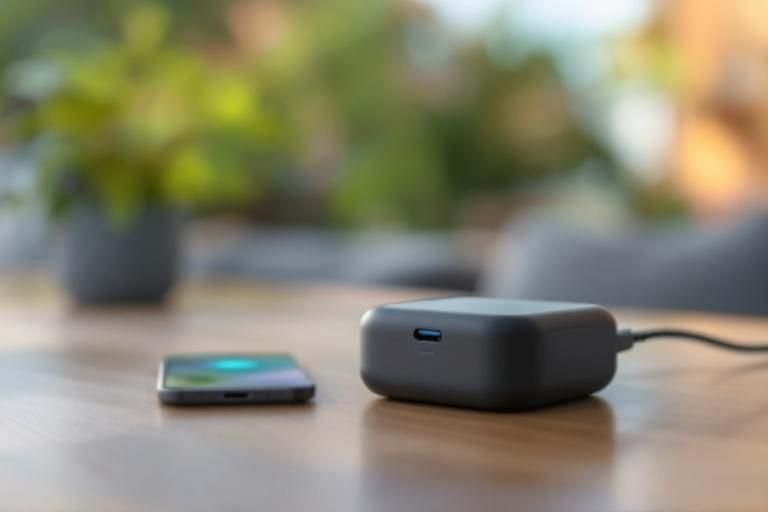
Have you ever wondered how USB C charging can streamline your device charging experience? With its growing popularity in smartphones, laptops, and other gadgets, understanding what USB C charging is and how it works is essential. As an expert in technology and charging standards, I will guide you through the core principles of USB C charging, including its benefits, compatibility with various devices, and key features that set it apart from previous USB versions. By the end of this article, you will have a clear understanding of USB C charging and how it can enhance your tech usage.
Understanding USB-C Charging
USB-C charging is a modern standard for connecting and powering devices. Unlike previous USB types, USB-C is reversible, meaning it can be plugged in either way, making it user-friendly. This standard supports various protocols, enabling not only power delivery but also data transfer at high speeds. USB-C can deliver up to 100 watts of power, allowing it to charge a wide range of devices from smartphones to laptops efficiently. This versatility has led to its adoption across multiple device categories, simplifying the charging experience for consumers.
Key Features of USB-C
USB-C connectors are designed to be compact, durable, and versatile. They support higher power levels, enabling fast charging capabilities. The connector’s design accommodates a wide array of devices, eliminating the need for multiple cable types. Additionally, USB-C supports data transfer rates of up to 10 Gbps, making it suitable for transferring large files quickly.
Compatibility and Adoption
USB-C has been widely adopted across various devices, including smartphones, tablets, laptops, and peripherals. This universal compatibility simplifies device management, as users can use the same charger for multiple devices. However, it’s important to note that not all USB-C cables support the same power and data transfer rates, so checking specifications is crucial.
Key Points:
- USB-C is reversible and user-friendly
- Supports high power delivery and fast data transfer
How USB-C Charging Works
USB-C charging operates through a combination of power delivery protocols and smart communication between devices. When a USB-C cable is connected, the devices negotiate the optimal power level required for charging. This negotiation ensures that devices receive the appropriate amount of power, which can help prevent damage and improve charging efficiency. Furthermore, USB-C can simultaneously transmit data while charging, enhancing its usability in various scenarios.
Power Delivery Protocols
USB Power Delivery (USB PD) is a key feature of USB-C, allowing for dynamic power negotiation. This protocol enables devices to communicate their power needs, allowing chargers to deliver varying wattages based on necessity. As a result, larger devices like laptops can receive more power, while smaller devices charge safely without overloading the system.
Data Transfer and Charging Simultaneously
One of the advantages of USB-C is its ability to handle power and data transfer concurrently. This feature is particularly useful for peripherals such as external hard drives or docking stations, where users can charge their device while transferring files. This dual functionality streamlines workflows and reduces the need for multiple connections.
Key Points:
- USB-C uses power delivery protocols for efficient charging
- Simultaneous data transfer and charging enhance usability
Understanding USB-C Charging Technology
USB-C, or Universal Serial Bus Type-C, is a connector standard that has revolutionized the way we charge devices and transfer data. Unlike its predecessors, USB-C is reversible, meaning the connector can be plugged in either way. This versatility has led to its widespread adoption across various devices, including smartphones, laptops, and tablets. USB-C supports higher power delivery (up to 100 watts) and faster data transfer rates (up to 40 Gbps), making it a preferred choice for modern technology. Its design allows for future-proofing as newer technologies emerge, and it can also be used for video output, making it an essential interface for many users.
Key Features of USB-C Charging
USB-C charging is characterized by several key features, including its compact design, high power capacity, and compatibility with multiple protocols. The compact shape allows for slimmer devices, while the high power capacity enables faster charging for larger electronics. Additionally, USB-C is capable of supporting various protocols, such as USB 3.1, Thunderbolt 3, and DisplayPort, making it versatile for both charging and data transfer.
How USB-C Compares to Previous USB Standards
Compared to previous USB standards, USB-C offers significant advancements. USB-A and USB-B connectors are often bulky and can only be inserted one way, while USB-C’s design is user-friendly. In terms of performance, USB-C supports higher data transfer rates and power delivery, making it superior for modern applications. This evolution not only simplifies connections but also enhances device functionality.
Key Points:
- USB-C is reversible and versatile, making it user-friendly.
- It supports high power delivery and fast data transfer rates.
💡 Choose USB-C cables that support Power Delivery (PD) for faster charging.
💡 Check compatibility with your devices to ensure optimal performance.
Practical Applications of USB-C Charging
USB-C charging has found its way into numerous practical applications, enhancing user experience and device performance. Its use in charging smartphones, laptops, and other portable devices provides faster, efficient charging solutions. Additionally, USB-C facilitates data transfer and video output, allowing users to connect their devices to displays or peripherals seamlessly. This multifunctionality streamlines the user experience, reducing the need for multiple cables and adapters.
Using USB-C for Fast Charging
Fast charging with USB-C is made possible through Power Delivery technology, allowing devices to negotiate the power level they need. To take advantage of this feature, ensure that both the charger and the device support Power Delivery. Using the right cable is also essential, as not all USB-C cables are created equal; some are designed for data transfer only and may not support high wattage charging.
Connecting Devices with USB-C
USB-C serves as a universal connection point for various devices, including monitors, docks, and external storage. Its ability to support DisplayPort and HDMI protocols enables users to connect their laptops to external displays effortlessly. This compatibility reduces clutter and enhances the functionality of workspaces, making USB-C an invaluable tool for professionals and casual users alike.
Key Points:
- USB-C allows for fast charging through Power Delivery.
- It enables seamless connections with various devices and peripherals.
💡 Utilize multi-port chargers to charge multiple devices efficiently.
💡 Invest in quality cables to ensure safety and performance.
EXPERT TIPS Pro Advice
Understand the specifications
Familiarize yourself with the specifications of USB-C, such as power delivery and data transfer rates, to maximize its potential in your devices.
Look for cable certifications
Select USB-C cables that are certified for safety and performance to avoid damage to your devices and ensure reliable charging.
Regularly check for firmware updates
Keep your devices updated to ensure compatibility and performance with the latest USB-C technologies and standards.
Frequently Asked Questions
Conclusion
USB-C charging is a modern, versatile standard that enhances the charging and data transfer experience. Its universal design, faster speeds, and ability to power multiple devices make it a preferred choice. Understanding its features and benefits can help users make informed decisions about their tech.
🎯 Key Takeaways:
- USB-C offers faster charging and data transfer.
- Reversible design eliminates connector frustrations.
- Many devices now support USB-C charging.
- Using certified chargers ensures safety.
- USB-C can charge multiple devices simultaneously.
Expert Advice: Stay informed about USB-C developments as more devices adopt this standard. Regularly check compatibility and specifications to maximize your charging experience and make the most of your technology.
Explore your current devices and consider upgrading to USB-C for a more efficient charging solution.



Leave a Reply