
Is your Android phone lagging, causing frustration and delays in your daily tasks? You’re not alone; many users experience performance issues that can significantly hinder the functionality of their devices. Fortunately, understanding how to fix lag on Android phone is easier than you might think. With over 15 years of experience in mobile technology, I’ll guide you through proven strategies to enhance your device’s speed and responsiveness. In this article, you’ll discover the root causes of lag, essential optimization techniques, and common pitfalls to avoid. Say goodbye to sluggish performance and hello to a smoother Android experience!
Understanding Lag on Android Phones
Lag on Android phones can be frustrating and affects user experience. It generally refers to a delay in response time when interacting with apps or the user interface. Lag can stem from various factors, including hardware limitations, software issues, and background processes. Recognizing the causes of lag is crucial for effective troubleshooting. In this section, we will explore common causes and signs of lag to help you identify the problem accurately.
Common Causes of Lag
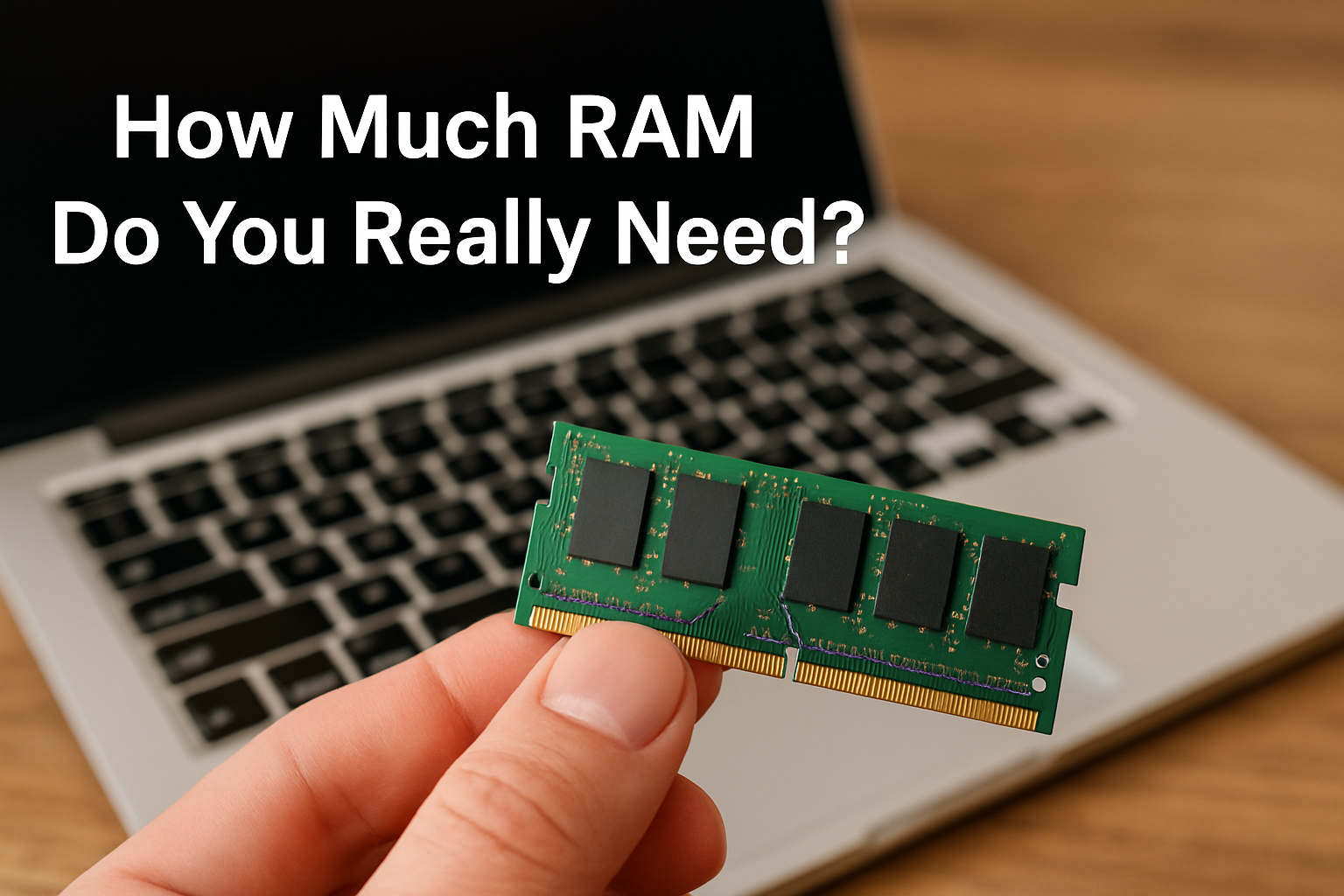
Several factors contribute to lag on Android devices. One primary cause is insufficient RAM, especially when multiple applications are running simultaneously. Additionally, outdated software can lead to performance issues as newer apps require more resources. Background processes, such as automatic updates or syncing, can also consume system resources, exacerbating lag.
Signs of Lag
Identifying lag is essential for addressing the issue. Common signs include delayed touch response, slow app launches, stuttering animations, and frequent app crashes. If your phone takes longer than usual to perform simple tasks or if apps freeze, these are clear indicators of lag that need attention.
Key Points:
- Lag can arise from hardware limitations and software issues.
- Recognizing lag signs helps in diagnosing the problem.
Initial Steps to Diagnose Lag
Before implementing fixes, it’s vital to diagnose the source of lag on your Android phone. Start by checking system settings and performance metrics. Common diagnostics involve reviewing storage space, monitoring running applications, and assessing battery health. These initial steps can provide insights into potential culprits behind the lag.
Check Storage Space
Insufficient storage can significantly slow down your device. To check your available space, navigate to the settings menu and select ‘Storage.’ If you find that your storage is nearly full, consider deleting unnecessary files or transferring them to cloud services to free up space.
Monitor Running Applications
Excessive background applications can strain system resources. Use the settings menu to view active apps. Close those that are not in use, especially resource-intensive applications, to enhance performance. This can alleviate lag and improve overall responsiveness.
Key Points:
- Diagnosing lag starts with checking storage and running apps.
- Freeing up storage can improve device performance.

Understanding the Causes of Lag on Android Phones
Lag on Android phones can stem from various factors, including hardware limitations, software glitches, and background applications. Knowing the root causes is essential for effective troubleshooting. Common reasons include insufficient RAM, outdated software, and excessive cache accumulation. Identifying these factors allows users to target specific areas for improvement, ultimately enhancing the device’s performance.
Hardware Limitations
Older Android devices may struggle with modern applications due to limited RAM or processing power. When multiple apps run simultaneously, the device can slow down significantly. Consider evaluating your device’s specifications and comparing them against the requirements of your frequently used applications to understand if hardware is the bottleneck.
Software Issues
Software updates can enhance performance by fixing bugs and improving system efficiency. Running an outdated version of Android may lead to compatibility issues with apps, causing lag. Regularly check for system updates in your settings to ensure your device benefits from the latest enhancements and security patches.
Background Applications
Many apps run in the background, consuming resources and slowing down your device. To combat this, identify and close unnecessary apps. You can also limit background data usage for specific applications in the settings to free up resources and reduce lag.
💡 Regularly restart your device to clear temporary files and refresh system performance.
💡 Monitor and limit the number of apps running at once to prevent resource hogging.
💡 Keep your operating system updated to take advantage of performance improvements.
Practical Steps to Reduce Lag on Android Phones
Addressing lag on Android phones requires practical steps that can be easily implemented. Start by clearing app caches, which can accumulate over time and slow down performance. Additionally, consider uninstalling apps that are rarely used, as they can take up valuable storage space. Lastly, adjusting device settings can further optimize performance. These steps can significantly enhance your device’s speed and responsiveness.
Clearing Cache and Data
Clearing the cache of individual apps can improve speed without deleting personal data. Go to Settings, select Apps, choose the app, and tap on Clear Cache. For a more thorough cleanup, you can also clear data, but this may remove user-specific settings and data, so proceed with caution.
Uninstalling Unused Apps
Regularly review your installed applications and uninstall those you no longer use. This frees up storage and reduces background processes. Go to Settings, select Apps, and remove apps that are unnecessary. Keeping only essential applications helps maintain system performance.
Adjusting Device Settings
You can enhance performance by adjusting settings like animations. Navigate to Developer Options and reduce or turn off window animations, transition animations, and animator duration scale. This adjustment can make your device feel snappier as it reduces visual effects that consume processing power.
💡 Periodically review app usage and declutter your device to maintain optimal performance.
💡 Consider using ‘Lite’ versions of popular apps designed for better performance on lower-end devices.
💡 Utilize performance modes if available in your settings to boost speed during demanding tasks.
EXPERT TIPS Pro Advice
Optimize Storage Regularly
Regularly optimizing storage by deleting unnecessary files and apps keeps your device running smoothly. It frees up space for critical updates and reduces the chances of lag.
Limit Widgets and Live Wallpapers
Widgets and live wallpapers can consume significant resources. Limiting their use can improve speed by reducing the load on the device’s processor.
Use a Static Wallpaper
Switching to a static wallpaper instead of live ones can reduce system load, as live wallpapers continuously use resources to animate.
Regularly Clear Browser Cache
Web browsers can accumulate large amounts of cache and data. Clearing this periodically ensures quicker access and less lag when browsing.
Disable Unused Connectivity Features
Turning off unnecessary connectivity features like Bluetooth and NFC when not in use can save battery and improve overall performance.
Frequently Asked Questions
Conclusion
In summary, addressing lag on your Android phone involves identifying the root cause, managing storage, and optimizing settings. Regular maintenance, like clearing cache and uninstalling unnecessary apps, can lead to significant performance improvements.
🎯 Key Takeaways:
- Identify the cause of lag to apply targeted solutions.
- Free up storage by deleting unused apps and files.
- Keep your software updated for better performance.
- Manage background apps to free up RAM.
- Regularly clear your cache for optimal speed.
Expert Advice: Stay proactive with your device maintenance to keep it running smoothly. Regularly assess your phone’s performance and make adjustments as needed to avoid future lag.
Take these steps today to enhance your Android phone’s performance and enjoy a smoother user experience.



Leave a Reply