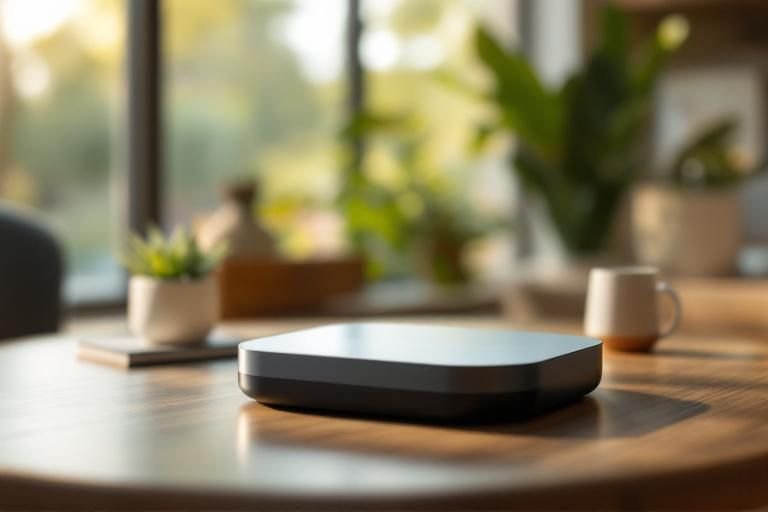
Have you ever wondered how smart devices in your home communicate seamlessly? At the heart of smart home technology lies the answer: a smart hub. A smart hub acts as the central point of control for various smart devices, enabling them to work together efficiently. With the rise of IoT (Internet of Things), understanding what a smart hub is becomes essential for anyone looking to enhance their home automation experience. In this article, we will delve into the definition of a smart hub, its key benefits, and how it can transform your living space into a fully connected and automated environment. Get ready to discover the future of home connectivity.
Understanding the Concept of a Smart Hub
A smart hub is a central device that connects various smart home devices, enabling them to communicate and function together. It acts as a bridge between different protocols and technologies, ensuring seamless integration. Smart hubs can manage devices such as lights, thermostats, security cameras, and more through a single interface, typically accessible via a smartphone app or a web portal. This centralization streamlines home automation processes, allowing users to control multiple devices from one location, enhancing convenience and efficiency in daily routines.
Functionality of Smart Hubs
Smart hubs facilitate communication between devices that may not typically interact. For example, a smart hub can connect Zigbee, Z-Wave, and Wi-Fi devices, allowing users to create complex automation scenarios. This functionality is essential for users who own devices from various manufacturers, enabling them to maximize their smart home ecosystem without compatibility issues.
Types of Smart Hubs
There are several types of smart hubs, including cloud-based and local hubs. Cloud-based hubs rely on internet connectivity and external servers for processing data and communication, while local hubs operate independently within the home network. Each type has its advantages, such as ease of access for cloud hubs versus enhanced security and faster response times for local hubs.
Key Points:
- Smart hubs centralize control of smart devices.
- They enhance compatibility across different technologies.
Benefits of Using a Smart Hub
Utilizing a smart hub offers numerous advantages for managing smart home devices. One primary benefit is improved automation capabilities, allowing users to set schedules, triggers, and scenes. For instance, a user can program the hub to turn on lights and adjust the thermostat when they arrive home, enhancing energy efficiency and convenience. Additionally, smart hubs can provide remote access, enabling users to monitor and control their home devices from anywhere, enhancing security and peace of mind.
Enhanced Energy Management
Smart hubs contribute to better energy management by allowing users to monitor usage patterns and adjust settings accordingly. For instance, integrating smart thermostats with a hub can optimize heating and cooling schedules based on occupancy, potentially leading to significant cost savings over time. This proactive approach to energy management not only reduces bills but also has a positive environmental impact.
Improved Security Features
Many smart hubs include advanced security features that allow users to monitor their homes more effectively. They can integrate with security cameras, motion sensors, and alarms, creating a comprehensive security system. Users can receive real-time alerts and access live feeds through their hub, providing peace of mind when away from home.
Key Points:
- Smart hubs automate daily routines for convenience.
- They enhance energy efficiency and security in homes.
Understanding Smart Hubs
A smart hub is a centralized device that connects and manages various smart home devices and systems. It acts as the brain of a smart home, allowing users to control everything from lighting to security systems through a single interface. Smart hubs can facilitate communication between devices that might use different protocols, ensuring seamless interaction. This integration simplifies user experience and enhances automation, enabling smarter living environments.
Types of Smart Hubs
Smart hubs come in various types, including cloud-based and local hubs. Cloud-based hubs rely on internet connectivity to manage devices and often offer remote access features. Local hubs, on the other hand, operate without the need for internet, providing quicker response times and better security. Understanding the differences can help users choose the right hub for their needs.
Key Functions of a Smart Hub
Smart hubs perform several essential functions, including device discovery, automation, and scene settings. Device discovery allows the hub to identify and connect with compatible devices in the home. Automation involves creating rules for devices to interact based on triggers, such as time or sensor input. Scene settings let users customize settings for different scenarios, enhancing the convenience of managing their smart home.
Key Points:
- A smart hub centralizes control of smart devices.
- Different types of hubs serve various needs, including local and cloud-based options.
💡 Research compatibility before purchasing a smart hub to ensure it can connect to your existing smart devices.
💡 Consider a hub with automation capabilities to enhance the functionality and ease of use in your home.
💡 Look for hubs supporting multiple communication protocols for better device integration and flexibility.
Advanced Features of Smart Hubs
Modern smart hubs offer advanced features that enhance functionality and user experience. These include voice control integration, advanced security protocols, and support for IoT devices. Voice control integration allows users to manage devices hands-free, increasing convenience. Advanced security features ensure that data and device communication remain secure, a crucial aspect as homes become more connected. Support for Internet of Things (IoT) devices expands the range of devices that can be managed.
Voice Control Integration
Integrating voice control with a smart hub provides significant convenience. Users can issue commands through smart speakers or other voice interfaces, allowing for hands-free operation of various devices. This integration not only simplifies tasks but also enhances accessibility, making smart home technology more user-friendly for all ages.
Security Features in Smart Hubs
Security is a critical consideration when using a smart hub. Features such as encryption, secure user authentication, and regular firmware updates help protect against cyber threats. Choosing a hub with robust security measures ensures that personal data and device functionality remain safe from unauthorized access.
Key Points:
- Voice control enhances user convenience in managing devices.
- Strong security features are essential to protect connected devices and data.
💡 Utilize voice commands to streamline interactions with smart devices for greater efficiency.
💡 Regularly update your smart hub’s firmware to enhance security and add new features.
💡 Evaluate the security protocols of potential hubs to ensure your home network remains protected.
EXPERT TIPS Pro Advice
Evaluate your home’s layout before selecting a smart hub.
Understanding your home’s layout ensures that the hub can effectively communicate with all devices, maximizing coverage and performance.
Plan for future expansion when choosing a hub.
Select a hub that can accommodate additional devices as your smart home evolves, allowing for scalability without replacing existing equipment.
Check for community support and resources.
A hub with a strong user community offers valuable insights, troubleshooting tips, and shared experiences, enhancing your smart home journey.
Frequently Asked Questions
Conclusion
In summary, a smart hub is an essential component for managing a smart home ecosystem. It connects various devices, simplifies automation, and enhances security. Understanding its features and compatibility can help you make informed decisions for your smart home setup.
🎯 Key Takeaways:
- A smart hub centralizes control of smart devices.
- It operates through various wireless protocols.
- Smart hubs enhance home security with device integration.
- Compatibility is key when choosing a hub.
- Look for user-friendly interfaces and robust features.
Expert Advice: Evaluate your home’s needs and the devices you wish to control. A smart hub can streamline your experience, but ensure it fits within your existing ecosystem for maximum effectiveness.
Explore the possibilities of smart home automation and consider how a smart hub can enhance your daily life.



Leave a Reply