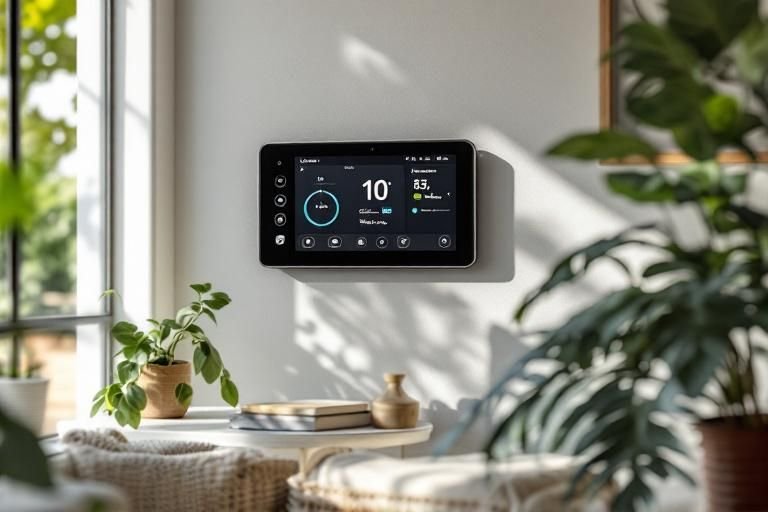
Are you tired of constantly managing your home manually? What is home automation, and how can it revolutionize your everyday life? With the rise of smart technology, home automation has become a game-changer for modern households. This innovative approach integrates various devices and systems in your home, allowing you to control everything from lighting to security with just a tap on your smartphone or voice command. In this article, we will explore the fundamentals of home automation, its numerous benefits, and practical applications. By the end, you will have a comprehensive understanding of how home automation can enhance your lifestyle, making your home smarter, safer, and more energy-efficient.
Understanding Home Automation
Home automation refers to the integration of technology into household systems to enhance comfort, efficiency, and security. By using smart devices and systems, homeowners can control various functions such as lighting, heating, and security remotely or automatically. This technology typically relies on a central hub that connects multiple devices, allowing for seamless communication and control. Home automation aims to simplify daily tasks, improve energy efficiency, and provide enhanced security measures for homeowners.
Key Components of Home Automation
The core components of home automation include smart devices, communication protocols, and a user interface. Smart devices encompass everything from smart lights and thermostats to security cameras and door locks. Communication protocols, such as Wi-Fi, Zigbee, and Z-Wave, enable these devices to communicate with each other. The user interface, often accessed via a smartphone app or voice assistant, allows homeowners to control and monitor their automated systems easily.
Benefits of Home Automation
Home automation offers numerous benefits, including increased convenience, energy efficiency, and enhanced security. By automating routine tasks, homeowners can save time and reduce manual efforts. Smart systems can optimize energy use by automatically adjusting heating and cooling based on occupancy, leading to lower utility bills. Additionally, home automation enhances security through features like remote monitoring and notifications, allowing homeowners to keep an eye on their property from anywhere.
Key Points:
- Home automation enhances comfort and security.
- Smart devices communicate through various protocols.
How Home Automation Works
Home automation operates through a network of interconnected devices that communicate with one another. The central hub plays a crucial role in managing these devices, allowing users to control them from a single interface. Automation can be achieved through schedules, triggers, or remote commands, enabling a high degree of customization. For example, a homeowner can set lights to turn on at sunset or adjust the thermostat when no one is home, creating a responsive living environment.
Types of Home Automation Systems
There are various types of home automation systems, each catering to different needs and preferences. Some systems are focused on specific areas, such as lighting or security, while others offer comprehensive solutions that integrate multiple functions. DIY systems allow homeowners to customize their setup, whereas professionally installed systems provide expert guidance and support. It’s essential to assess your needs to choose the right type of system for your home.
Getting Started with Home Automation
To begin automating your home, start by identifying the areas where automation can bring the most value. Consider essential systems like lighting, heating, and security. Research compatible devices that meet your preferences and ensure they can communicate with each other. Once you have selected your devices, follow the manufacturer’s instructions for installation and configuration. Gradually expand your system as you become more comfortable with the technology.
Key Points:
- Home automation systems can be customized to individual needs.
- Start small and expand your system over time.
Understanding Home Automation Systems
Home automation refers to the integration of technology into household systems to enhance control, convenience, and efficiency. This technology allows homeowners to remotely manage various devices, such as lighting, security, and climate control, through smartphones or voice commands. By connecting devices via the Internet of Things (IoT), users can create a seamless, automated environment tailored to their specific needs. This not only improves comfort but also enhances energy efficiency and security, making homes smarter and more responsive.
Key Components of Home Automation
A typical home automation system includes devices like smart thermostats, lighting controls, security cameras, and voice assistants. These components communicate via a central hub or the cloud, allowing for coordinated control. Understanding these elements is crucial for designing a system that meets your household’s unique requirements.
Benefits of Home Automation
Home automation offers numerous benefits, including increased energy efficiency, enhanced security, and improved convenience. By automating tasks like adjusting the thermostat or turning off lights, homeowners can save on utility bills and reduce their carbon footprint while increasing peace of mind.
Key Points:
- Home automation enhances comfort and efficiency.
- Key components include smart devices and centralized control systems.
💡 Focus on compatibility between devices to ensure seamless integration.
💡 Prioritize energy-saving features to maximize cost efficiency.
💡 Consider scalability as your needs and technology evolve.
Implementing Home Automation
Implementing a home automation system requires careful planning and consideration of your specific needs. Begin by evaluating which areas of your home would benefit most from automation, such as lighting, security, or climate control. Once you identify key areas, research compatible devices and systems that can work together. A phased approach allows for gradual implementation, making it easier to manage costs and complexities while adapting to your evolving needs.
Assessing Your Needs
Begin by identifying which aspects of your home you want to automate. Consider factors like security, energy usage, and daily routines. Engaging with family members can help pinpoint priorities, ensuring that the automation you implement will be beneficial and user-friendly.
Choosing the Right Technology
Selecting the right technology is vital for a successful home automation setup. Research various protocols (like Zigbee or Z-Wave) and systems that allow for interoperability among devices. Ensure that the chosen technology aligns with your current infrastructure and future expansion plans.
Key Points:
- Assess needs to tailor your home automation.
- Choosing the right technology is crucial for system integration.
💡 Conduct a thorough needs assessment to avoid unnecessary expenses.
💡 Invest in a reliable central hub for better device coordination.
💡 Stay updated on emerging technologies for future-proofing your system.
EXPERT TIPS Pro Advice
Start small and expand gradually.
This allows you to manage costs and complexities while ensuring each component works well before adding more.
Utilize automation routines.
Creating routines can streamline operations, such as setting lights to turn on at sunset, enhancing convenience without manual intervention.
Regularly update your devices.
Keeping software up to date is essential for security and performance, preventing vulnerabilities in your home automation system.
Consider user-friendliness.
Select devices that are intuitive and easy to use for all family members, ensuring everyone can benefit from your automation efforts.
Monitor energy usage.
Regularly review energy reports provided by smart devices to optimize settings for cost savings and efficiency.
Frequently Asked Questions
Conclusion
Home automation transforms how we interact with our living spaces by integrating smart technology for enhanced convenience, security, and energy efficiency. Understanding the types of systems available and their benefits can help you decide how to implement automation in your home.
🎯 Key Takeaways:
- Home automation enhances convenience and security.
- Devices can be controlled remotely via apps or voice commands.
- Existing homes can be adapted with smart devices.
- Security requires proper setup and regular maintenance.
- Investing in automation can lead to long-term savings.
Expert Advice: Evaluate your lifestyle needs and explore various home automation options to find the best fit. Start small and gradually expand your system as you become more comfortable with the technology.
Consider researching smart devices that align with your needs and take the first step toward a more automated home.





Leave a Reply