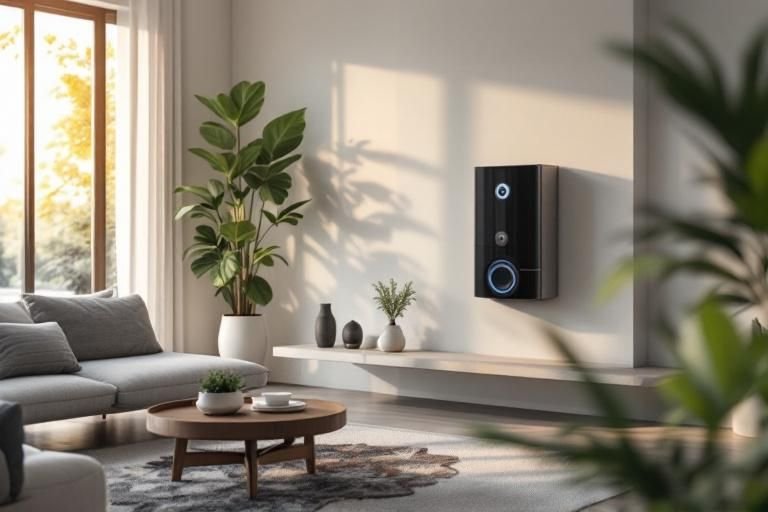
Are you curious about what a smart home system is and how it can transform your living space? With the rise of technology, smart homes have become increasingly popular, integrating advanced devices that enhance convenience, security, and energy efficiency. In this article, we will delve into the essence of smart home systems, exploring their features and how they work together to create a seamless living experience. Leveraging over 15 years of expertise in home automation and technology, we will provide you with insights into the benefits and potential of smart home systems. By the end, you’ll have a clear understanding of how these innovations can simplify your daily life and improve your home environment.
Understanding Smart Home Systems
A smart home system refers to a network of devices and appliances that can be controlled remotely through a central hub or smartphone application. These systems enhance convenience, security, and energy efficiency for homeowners. By integrating various technologies, a smart home allows users to automate daily tasks and monitor their home environment from anywhere. Smart home systems can include lighting, heating, security cameras, and more, all designed to work together seamlessly to improve the overall living experience.
Key Components of Smart Home Systems
Smart home systems typically consist of devices such as smart lights, smart thermostats, and security cameras. These components communicate through protocols like Wi-Fi, Zigbee, or Z-Wave. A central hub often manages these devices, allowing for unified control. Understanding these components helps users select the right devices for their needs and ensures compatibility within the system.
Benefits of Smart Home Systems
The primary benefits of smart home systems include enhanced security, energy efficiency, and convenience. For example, smart security cameras provide real-time monitoring, while smart thermostats can learn user habits to optimize heating and cooling. These systems also enable remote access, allowing users to manage their homes from anywhere, ensuring peace of mind and cost savings.
Key Points:
- Smart home systems enhance convenience and security.
- Understanding components is key to effective integration.
💡 Consider compatibility between devices before purchasing.
💡 Assess your primary needs to choose the right components.
How Smart Home Systems Work
Smart home systems operate through a combination of hardware and software technologies. Devices are connected to a home network, allowing them to communicate with each other and with the user’s smartphone or computer. Automation and control are typically achieved via a central hub or app, where users can set schedules, create routines, and receive alerts. This interconnectedness forms the backbone of a smart home, enabling seamless interaction between various devices.
Communication Protocols
Smart home devices use various communication protocols to interact. Common protocols include Wi-Fi, which offers high data transfer rates; Zigbee, known for low power consumption; and Z-Wave, which is designed for home automation. Understanding these protocols can help in selecting devices that will work best together, ensuring a reliable and efficient smart home system.
Automation and Control Features
Automation is a key feature of smart home systems, allowing devices to perform tasks without manual intervention. Users can program routines, such as turning lights on and off at specific times or adjusting the thermostat based on occupancy. Control can be executed via smartphone apps, voice commands, or through a central console, making home management more intuitive and responsive.
Key Points:
- Smart home systems use various communication protocols for device interaction.
- Automation simplifies home management and enhances user experience.
💡 Familiarize yourself with protocols to ensure device compatibility.
💡 Utilize automation features to maximize convenience.
Understanding Smart Home Systems
A smart home system integrates various devices and technologies to enhance home automation and control. These systems allow homeowners to manage appliances, lighting, security, and climate from a central hub or through mobile apps. By connecting to the Internet of Things (IoT), smart home devices can communicate with each other, making it possible to create a cohesive environment that improves convenience and energy efficiency.
Core Components of a Smart Home System
Key components of a smart home system include smart hubs, sensors, smart appliances, and security devices. A smart hub acts as the central controller that connects all devices, enabling seamless communication. Sensors can monitor conditions such as temperature, humidity, and motion, while smart appliances, such as thermostats and lighting systems, can be programmed for automation. Security devices, such as cameras and locks, enhance safety and provide real-time alerts.
Benefits of Implementing a Smart Home System
Implementing a smart home system offers numerous benefits. Improved energy efficiency is one of the most significant advantages, as smart thermostats and lighting can adjust based on occupancy. Enhanced security features, like remote monitoring and alerts, provide peace of mind. Additionally, convenience is greatly increased through automation, allowing users to control devices with voice commands or mobile apps, ultimately simplifying daily routines.
Key Points:
- Smart home systems enhance convenience and energy efficiency.
- Key components include smart hubs, sensors, and security devices.
💡 Consider your lifestyle and choose devices that enhance your daily routines.
💡 Start small by automating one area of your home before expanding.
💡 Regularly update device firmware to maintain security and functionality.
Advanced Features of Smart Home Systems
Advanced smart home systems offer sophisticated features that enhance user experience and connectivity. These systems can leverage artificial intelligence (AI) for predictive analytics, enabling them to learn from user behavior and optimize performance. Voice control and integration with virtual assistants like smart speakers add another layer of convenience, allowing users to operate devices hands-free.
Integration with AI and Machine Learning
AI and machine learning play a crucial role in modern smart home systems. These technologies analyze user patterns to automate tasks effectively, such as adjusting heating or lighting based on time of day or occupancy. This not only improves user experience but also contributes to energy savings by ensuring systems operate only when necessary.
Interoperability Among Devices
Interoperability is vital for a seamless smart home experience. A successful smart home system should support multiple device brands and communication protocols, such as Zigbee, Z-Wave, or Wi-Fi. This ensures that devices can work together harmoniously, allowing for comprehensive automation scenarios, such as triggering security cameras when doors are unlocked or lights dimming when a movie starts.
Key Points:
- AI and machine learning enhance automation and user experience.
- Device interoperability is crucial for a cohesive smart home environment.
💡 Explore interoperability to ensure diverse device compatibility.
💡 Utilize AI features to maximize energy efficiency and convenience.
💡 Regularly assess your smart home needs and upgrade your system accordingly.
EXPERT TIPS Pro Advice
Evaluate your home’s architecture before installation.
Understanding your home’s layout can help in positioning devices for optimal connectivity and performance, ensuring that smart home features work effectively.
Prioritize security features.
With increasing connectivity comes greater vulnerability; invest in security protocols and consider regular audits of your system to protect personal data.
Set up automation routines based on your schedule.
Creating routines that align with your daily activities can enhance convenience, like scheduling lights to turn on at sunset or adjusting the thermostat before you arrive home.
Keep your smart home system scalable.
Select devices that can easily integrate with future technologies, allowing for expansion as your needs evolve without requiring a complete system overhaul.
Stay informed about emerging technologies.
Smart home technology is rapidly evolving, so staying updated on trends can help you make informed decisions about upgrades and integrations.
Frequently Asked Questions
Conclusion
Smart home systems are transforming how we manage our living spaces by enhancing convenience, security, and energy efficiency. By connecting various devices, homeowners can easily control their environment, improve comfort, and save on energy costs. Understanding how these systems work is essential for making informed decisions.
🎯 Key Takeaways:
- Smart home systems connect devices for remote control.
- They enhance convenience, security, and energy efficiency.
- DIY installation is possible for many systems.
- Common devices include smart thermostats, lights, and locks.
- Security can be improved with strong passwords and updates.
Expert Advice: Evaluate your needs and lifestyle before investing in a smart home system. Prioritize devices that offer the most value and integration for your specific requirements to maximize benefits.
Explore the various smart home options available and consider how they can enhance your daily life.








Leave a Reply