
Is your computer refusing to power up? You’re not alone. Many users face the frustrating problem of their computer not turning on, often leading to anxiety about data loss or costly repairs. Understanding why this happens can save you time and stress. In this comprehensive guide, we’ll explore common reasons behind computer power failures, from simple issues like power supply problems to more complex hardware failures. With over 15 years of experience in troubleshooting technology issues, I’ll provide you with actionable steps to diagnose and potentially fix your computer’s power problems. Read on to learn how to get your device back in working order.
Common Reasons a Computer Fails to Power On
When a computer fails to turn on, it can be frustrating and confusing. Understanding the common reasons behind this issue can help in troubleshooting effectively. One of the primary reasons is power supply failure. A faulty power supply can prevent the computer from receiving the necessary electricity to boot. Additionally, issues with the motherboard or hardware components can also lead to power-on failures. Identifying these issues early on can save time and effort in repairs or replacements.
Power Supply Issues
The power supply unit (PSU) is crucial for delivering power to your computer’s components. If the PSU is malfunctioning, it may not provide adequate power, leading to a failure to turn on. Checking the power cable connections and testing the PSU with a multimeter can help determine if this is the issue.
Motherboard and Hardware Malfunctions
The motherboard serves as the backbone of the computer, connecting all components. A malfunctioning motherboard can cause the system to fail to boot. Additionally, other hardware issues, such as faulty RAM or disconnected components, can also lead to power-on problems. Visually inspecting connections and reseating components can be beneficial.
Key Points:
- Power supply issues are common culprits for non-booting computers.
- Motherboard or hardware malfunctions can also prevent a computer from turning on.
Initial Troubleshooting Steps to Diagnose Power Issues
When faced with a non-booting computer, following systematic troubleshooting steps can help identify the underlying problem. Start by checking the power source, ensuring that the outlet is functioning and that the power cable is securely connected. If the computer is a laptop, verify that the battery is charged or try booting with the power adapter alone. If these steps don’t work, consider performing a hard reset by disconnecting all peripherals and holding the power button for about 10-15 seconds.
Verifying Power Source and Connections
Before diving deeper into hardware issues, check the power source. Ensure that the outlet is live by testing it with another device. Additionally, inspect all power connections, including cables from the outlet to the computer, for any signs of damage or disconnection.
Performing a Hard Reset
A hard reset can sometimes resolve minor glitches. To perform a hard reset, power down the computer, disconnect it from all peripherals, and press and hold the power button for 10-15 seconds. This can help reset hardware connections and clear temporary settings that may be causing the issue.
Key Points:
- Always verify the power source before troubleshooting further.
- Performing a hard reset can resolve many minor power issues.
Common Hardware Issues
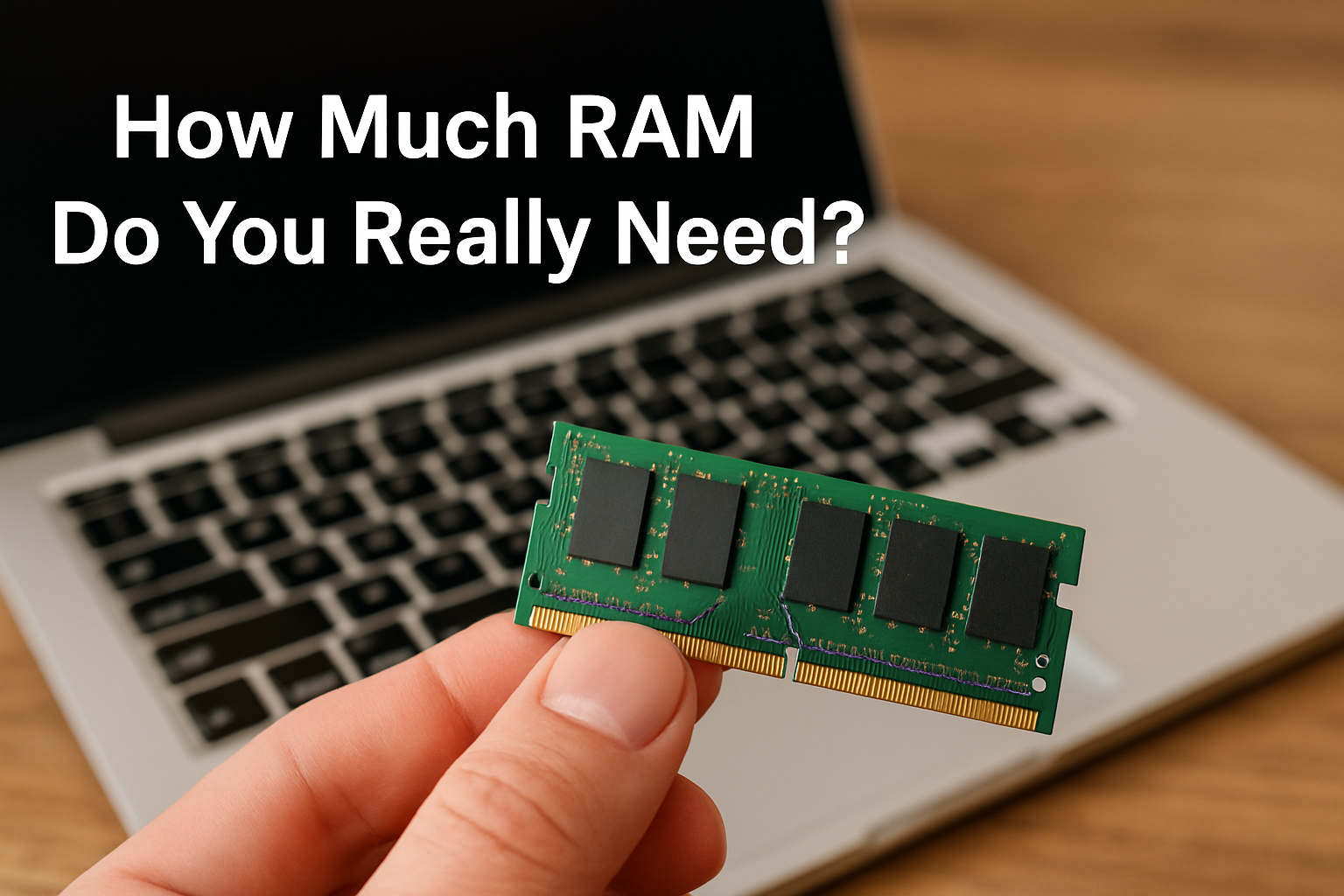
When a computer fails to power on, hardware issues are often the culprit. First, check the power supply unit (PSU), as a malfunctioning PSU can prevent the computer from receiving adequate power. Additionally, inspect the power cable and outlet for any visible damage or connectivity issues. If the PSU seems functional, the motherboard could be at fault, particularly if you hear beeping sounds or see diagnostic LEDs indicating a failure. Lastly, RAM issues can also prevent booting; reseating the RAM sticks may resolve the problem.
Checking the Power Supply
Start by ensuring that the power supply is working. Check if the power switch at the back is turned on and verify that the power cable is securely connected to both the PSU and the wall outlet. If the computer still doesn’t turn on, consider testing with a different power cable or outlet.
Inspecting Internal Components
Open the computer case to check internal connections. Ensure that all cables connecting the motherboard, RAM, and drives are properly seated. Look for any signs of physical damage or burnt components, which may indicate a short circuit or hardware failure.
Key Points:
- A faulty power supply is the most common reason for a computer not turning on.
- Reseating RAM and checking connections can resolve many hardware-related startup issues.
💡 Always unplug the computer before inspecting internal components to avoid electric shock.
💡 Use a flashlight to inspect the motherboard for any burnt or damaged areas.
💡 If beeping occurs during startup, refer to the motherboard manual for diagnostic codes.
Software and BIOS Issues
If hardware components check out, software or BIOS issues may be preventing your computer from turning on. A corrupted BIOS can lead to failure in booting. To address this, try resetting the BIOS by removing the CMOS battery for a few minutes. If the system powers on but fails to boot into the operating system, it may indicate a corrupted OS or boot sector. Booting from a recovery disk can help diagnose and repair these issues. Furthermore, ensuring that the hard drive is detected in the BIOS is critical for a successful startup.
Resetting the BIOS
Resetting the BIOS can resolve many startup problems. To do this, power off the computer, remove the CMOS battery from the motherboard for about five minutes, then replace it. This action restores default settings and can fix misconfigurations that prevent booting.
Using Recovery Options
If the computer powers on but does not boot into the OS, using recovery options can help. Boot from a USB drive or recovery disk and follow the prompts to repair the operating system. This may involve repairing the boot sector or restoring system files.
Key Points:
- Corrupted BIOS or OS can prevent the computer from booting, even if hardware is functional.
- Using recovery tools can help restore normal operation without needing to replace hardware.
💡 Regularly update your BIOS to ensure compatibility with new hardware and improvements.
💡 Create a recovery disk for your operating system to assist in troubleshooting future issues.
💡 Document any changes made in BIOS settings to easily revert if necessary.
EXPERT TIPS Pro Advice
Keep your system backed up regularly.
Regular backups can save your data in case of hardware or software failure, allowing for quicker recovery.
Monitor hardware temperatures.
Overheating components can cause unexpected shutdowns. Use monitoring tools to keep temperatures in check.
Familiarize yourself with diagnostic LEDs or beep codes.
Understanding these indicators can help you quickly identify hardware issues without extensive troubleshooting.
Consider professional help for persistent issues.
If basic troubleshooting fails, a professional technician can conduct more in-depth diagnostics and repairs.
Frequently Asked Questions
Conclusion
If your computer isn’t turning on, start troubleshooting by checking the power supply and connections. Hardware issues like faulty components can also be culprits. Performing resets and inspecting parts are crucial steps in resolving the issue effectively.
🎯 Key Takeaways:
- Always check power connections first.
- Perform a hard reset to troubleshoot.
- Inspect hardware for visible damage.
- Listen for sounds when powering on.
- A black screen may indicate display issues.
Expert Advice: Don’t hesitate to consult a professional if basic troubleshooting fails, as they can provide deeper insight into hardware problems and potential solutions.
Begin by inspecting your power sources and connections to identify the issue with your computer.



Leave a Reply