
Have you ever been in the middle of an important task when suddenly your computer freezes? This frustrating issue affects countless users and can stem from various causes. Understanding why your computer is freezing randomly is crucial for resolving these interruptions and enhancing your productivity. With over 15 years of experience in troubleshooting computer performance issues, I will guide you through the common reasons behind random freezes, empowering you with the knowledge to diagnose and fix the problem. In this article, you will learn about potential hardware and software issues, as well as preventive measures to keep your computer running smoothly.
Understanding Computer Freezing
Computer freezing can be frustrating and disruptive, often occurring unexpectedly. This phenomenon typically arises from various underlying issues, which may range from hardware malfunctions to software conflicts. When a computer freezes, it becomes unresponsive, preventing users from interacting with applications or the operating system. Identifying the root cause is essential for effective resolution. Regular maintenance and monitoring can help mitigate these occurrences.
Common Causes of Freezing
Several factors can cause a computer to freeze. Hardware issues such as insufficient RAM, failing hard drives, or overheating can trigger these freezes. Additionally, software conflicts, including incompatible applications or corrupted files, can lead to system instability. Understanding these causes is the first step in troubleshooting the problem effectively.
Symptoms to Identify
Recognizing symptoms associated with freezing can aid in diagnosis. Common signs include the cursor becoming unresponsive, applications refusing to open or close, and the entire screen stalling for several seconds. Observing when these symptoms occur—such as during specific tasks or after updates—can provide clues to the underlying issue.
Key Points:
- Computer freezing is often linked to hardware or software issues.
- Identifying symptoms can help diagnose the cause.
Troubleshooting Freezing Issues
When your computer freezes randomly, it’s crucial to troubleshoot effectively. Start with basic steps such as restarting the machine and checking for immediate improvements. If the issue persists, a systematic approach to diagnosing hardware and software is necessary. Utilizing built-in tools and safe mode can help isolate the problem and indicate whether it’s hardware-related or software-related.
Basic Troubleshooting Steps
Begin by restarting your computer to clear temporary files and reset processes. If freezing continues, check for updates to the operating system and drivers. Ensuring your system is up to date can resolve known bugs and improve performance, thereby potentially eliminating freezing issues.
Using Diagnostic Tools
Many computers come equipped with built-in diagnostic tools that can help assess hardware performance. Running these tools can reveal issues such as failing components or insufficient memory. Additionally, utilizing task managers to monitor resource usage can highlight any applications consuming excessive resources, leading to freezes.
Key Points:
- Restarting can often resolve temporary freezing issues.
- Diagnostic tools can help identify underlying hardware problems.
Understanding the Causes of Random Computer Freezes
Random computer freezes can be frustrating and disrupt productivity. The causes can range from hardware issues to software conflicts. Identifying these factors is crucial for effective troubleshooting. Common hardware-related causes include overheating, failing hard drives, or insufficient RAM. Software-related issues may stem from outdated drivers, malware, or resource-heavy applications running simultaneously. By understanding these potential causes, users can take targeted actions to resolve the freezing problem, ensuring smoother performance and longevity of their system.
Hardware Issues
Hardware problems are a leading cause of random freezes. Overheating can cause CPUs and GPUs to throttle down, leading to freezes. Additionally, a failing hard drive can result in read/write errors, causing the system to hang. Regularly checking hardware components and ensuring proper ventilation can help prevent these issues.
Software Conflicts
Software conflicts can arise from outdated applications or incompatible programs. Running multiple resource-intensive applications simultaneously can consume RAM and CPU, leading to freezes. Keeping software updated and managing running applications can mitigate these conflicts, improving system stability.
Malware and Viruses
Malware and viruses can severely affect system performance, causing random freezes. These malicious programs can consume system resources or corrupt files. Regularly scanning for malware and ensuring robust security protocols can help protect your computer from these threats and enhance its performance.
Key Points:
- Freezes can result from both hardware and software issues.
- Regular maintenance and updates are key to preventing freezes.
💡 Regularly check for hardware malfunctions to prevent overheating and ensure efficient operation.
💡 Limit the number of applications running simultaneously to reduce strain on system resources.
💡 Schedule regular malware scans to detect potential threats that could cause freezes.
Troubleshooting Steps for Random Freezing
When facing random computer freezes, implementing a systematic troubleshooting approach can help identify and resolve the issue. Start by checking for hardware issues, such as ensuring all components are properly seated and functioning. Next, inspect software settings, ensuring all drivers are up-to-date and that the operating system is patched with the latest updates. Additionally, consider performing a clean boot to eliminate startup program conflicts. Following these steps can provide clarity on the freezing issue and lead to effective solutions.
Performing Hardware Checks
Begin by checking physical connections and ensuring that all hardware components are securely connected. Run diagnostic tools to assess the health of your hard drive, RAM, and cooling systems. If temperatures are high, consider cleaning dust from vents and fans to improve airflow and cooling.
Updating Software and Drivers
Outdated drivers can lead to compatibility issues, causing systems to freeze. Regularly check for updates for your operating system and installed software. Utilizing built-in update utilities can simplify this process, ensuring that all components function harmoniously.
Using System Restore or Recovery Options
If the freezes started after recent changes, consider using System Restore to revert the system to a previous state. Access recovery options to troubleshoot and repair system files, which can resolve issues stemming from corrupted files or improper configurations.
Key Points:
- Systematic troubleshooting can help isolate the cause of freezes.
- Regular maintenance and updates can prevent issues from arising.
💡 Conduct regular hardware diagnostics to catch issues early before they lead to freezes.
💡 Always keep your operating system and drivers updated to avoid compatibility problems.
💡 Utilize System Restore to revert to a stable state if freezes correlate with recent changes.
EXPERT TIPS Pro Advice
Monitor System Temperatures
Keeping an eye on system temperatures helps prevent overheating, a common cause of freezes. Use built-in monitoring tools to track CPU and GPU temperatures and ensure they stay within safe limits.
Check Event Viewer Logs
Event Viewer logs can provide insights into system errors leading up to freezes. Reviewing these logs can help identify patterns or specific issues that need addressing.
Consider Upgrading Hardware
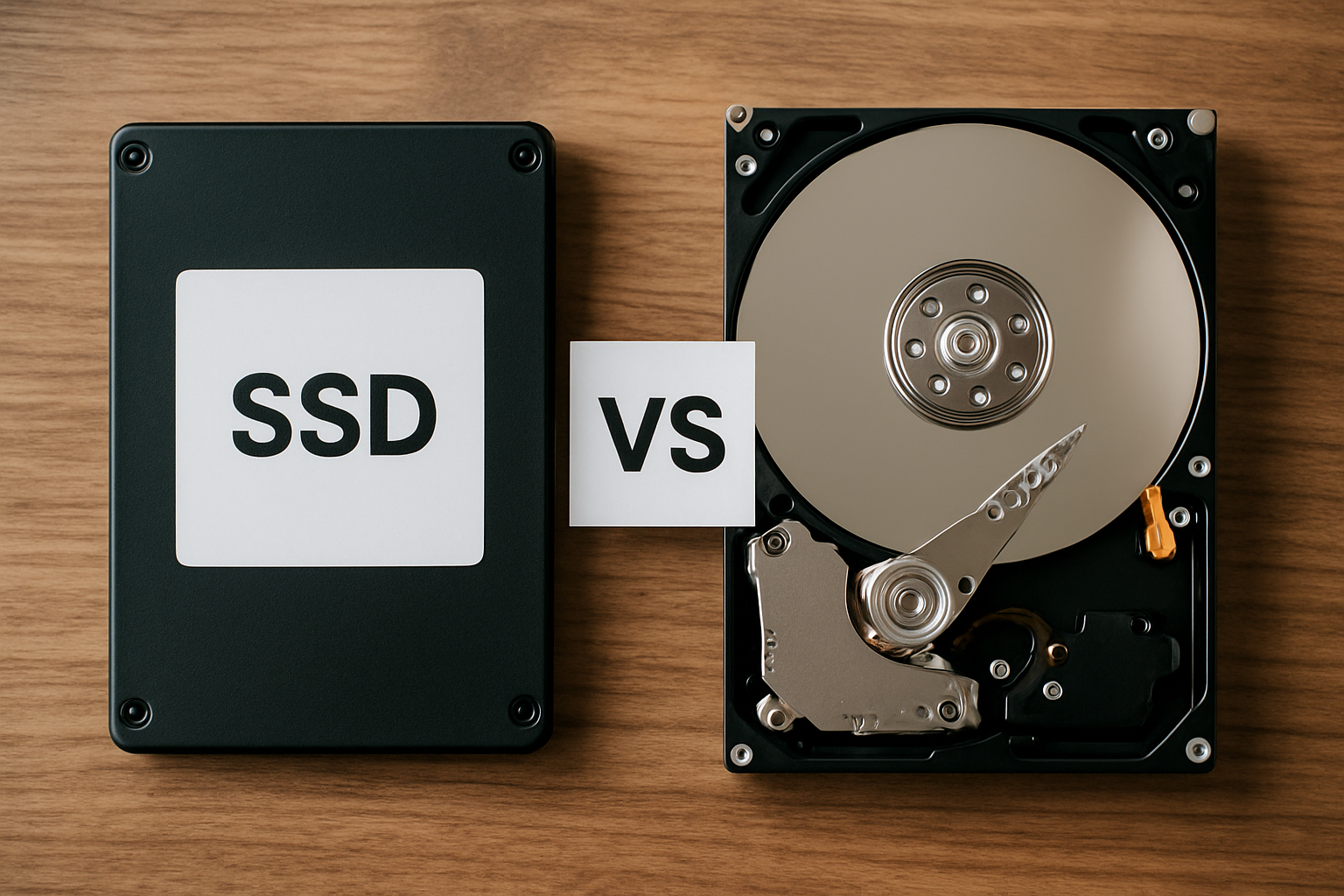
If freezes persist despite troubleshooting, upgrading hardware components like RAM or switching to an SSD can significantly improve performance and reduce freezing incidents.
Create a Backup Before Major Changes
Always back up important data before making significant changes to your system. This precaution ensures you can recover quickly if problems arise during troubleshooting.
Utilize Safe Mode for Diagnosis
Booting into Safe Mode can help diagnose whether freezing issues are caused by third-party software or drivers, allowing for targeted troubleshooting.
Frequently Asked Questions
Conclusion
Experiencing random computer freezes can be frustrating, but understanding the potential causes and solutions is crucial. Common factors include insufficient resources, overheating, and malware. Regular maintenance and updates can significantly reduce the likelihood of freezes, ensuring a smoother computing experience.
🎯 Key Takeaways:
- Random freezes can be caused by insufficient RAM or overheating.
- Troubleshooting should begin with restarts and software updates.
- Specific programs may require more resources than available.
- Overheating can be managed with proper ventilation and cleaning.
- Malware scans are essential for maintaining performance.
- Consult a professional if freezes persist despite troubleshooting.
Expert Advice: Stay vigilant about system performance and conduct regular maintenance checks. Keeping your software updated and monitoring resource usage will help prevent future freezes.
Assess your computer’s performance today and implement these troubleshooting steps to enhance your computing experience.







Leave a Reply