
Is your computer taking an eternity to boot up or run applications? If you’ve ever found yourself frustrated by a sluggish system, you’re not alone. According to recent studies, nearly 60% of computer users experience slow performance at some point. Understanding why is my computer running slow is crucial for restoring efficiency and productivity. With over 15 years of experience in troubleshooting computer issues, I’ve gathered key insights into the common culprits behind slow performance. In this article, we will explore the various reasons for your computer’s lagging behavior and provide actionable strategies to improve its speed. Get ready to revive your machine and enhance your digital experience with simple yet effective solutions.
Understanding Computer Performance
A computer’s speed can be affected by numerous factors, ranging from hardware limitations to software issues. Recognizing why your computer is running slow is the first step to troubleshooting the problem effectively. Performance can degrade due to insufficient RAM, outdated hardware, or background processes consuming resources. By understanding these factors, users can make informed decisions to enhance their computer’s performance.
Common Causes of Slow Performance
Common reasons for a sluggish computer include a lack of available RAM, a fragmented hard drive, and excessive background applications. When too many programs run simultaneously, they can consume system resources, leading to delays. Additionally, a hard drive that is nearly full or fragmented can slow down file access times, further hampering performance.
Impact of Software on Speed
Software plays a crucial role in computer performance. Operating systems and applications that require high processing power can slow down your computer, especially if they are not optimized. Malware and bloatware can also significantly impact speed by consuming valuable resources. Regular updates and performing system maintenance can help mitigate these issues.
Key Points:
- Identify common causes of slow performance
- Understand the impact of software on speed
Assessing Hardware Limitations
The hardware components of a computer greatly influence its overall performance. Factors such as the age of the machine, the specifications of the CPU, RAM, and hard drive type can dictate how well a computer runs. Understanding these limitations can help you determine if an upgrade is necessary or if optimization of existing components is sufficient.
Evaluating RAM and CPU
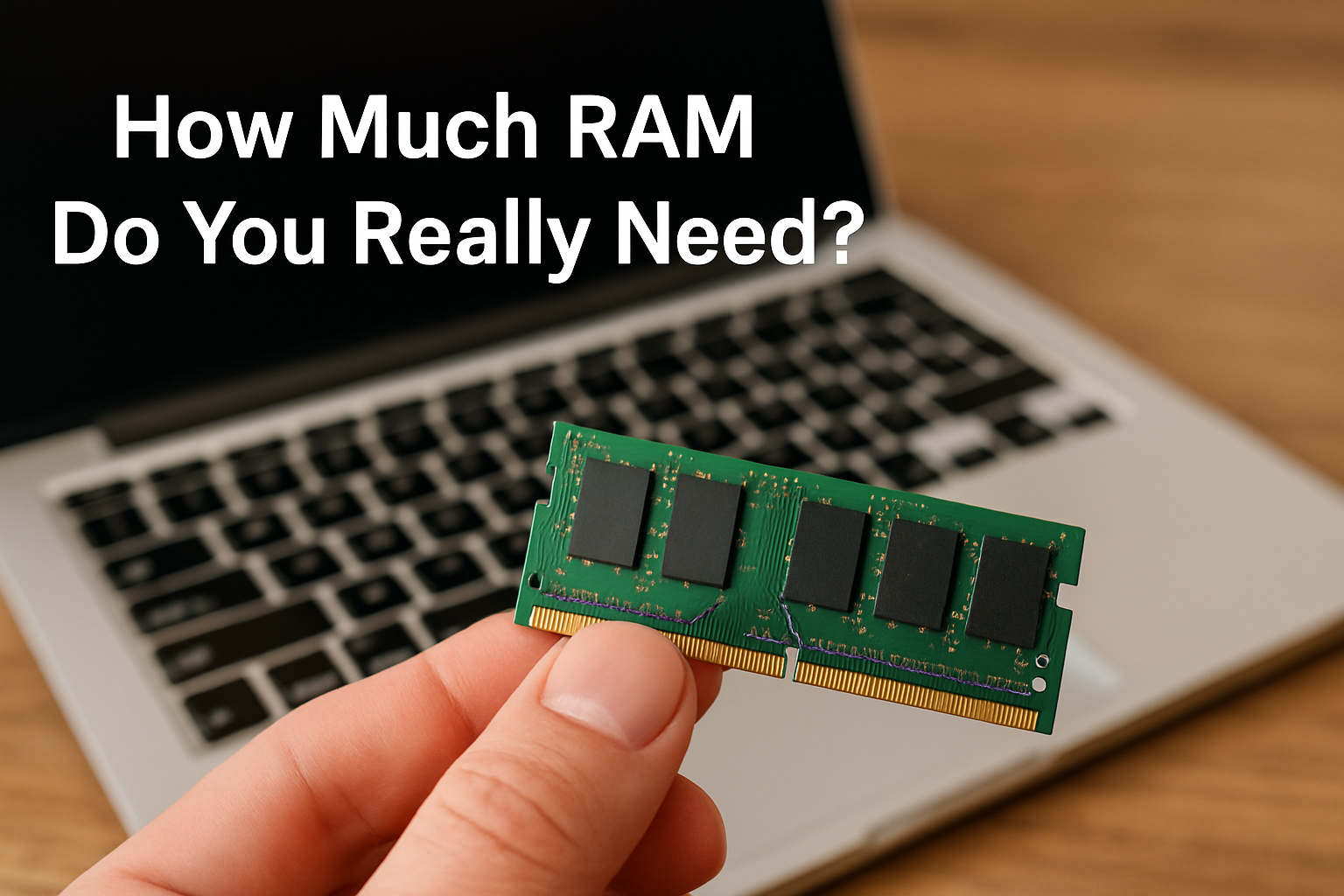
RAM (Random Access Memory) is critical for multitasking and running applications smoothly. If your computer has insufficient RAM, it may struggle to perform tasks efficiently. Additionally, the CPU (Central Processing Unit) speed and core count affect how quickly your computer can process tasks. Evaluating these components can provide insight into performance bottlenecks.
Hard Drive Type and Speed
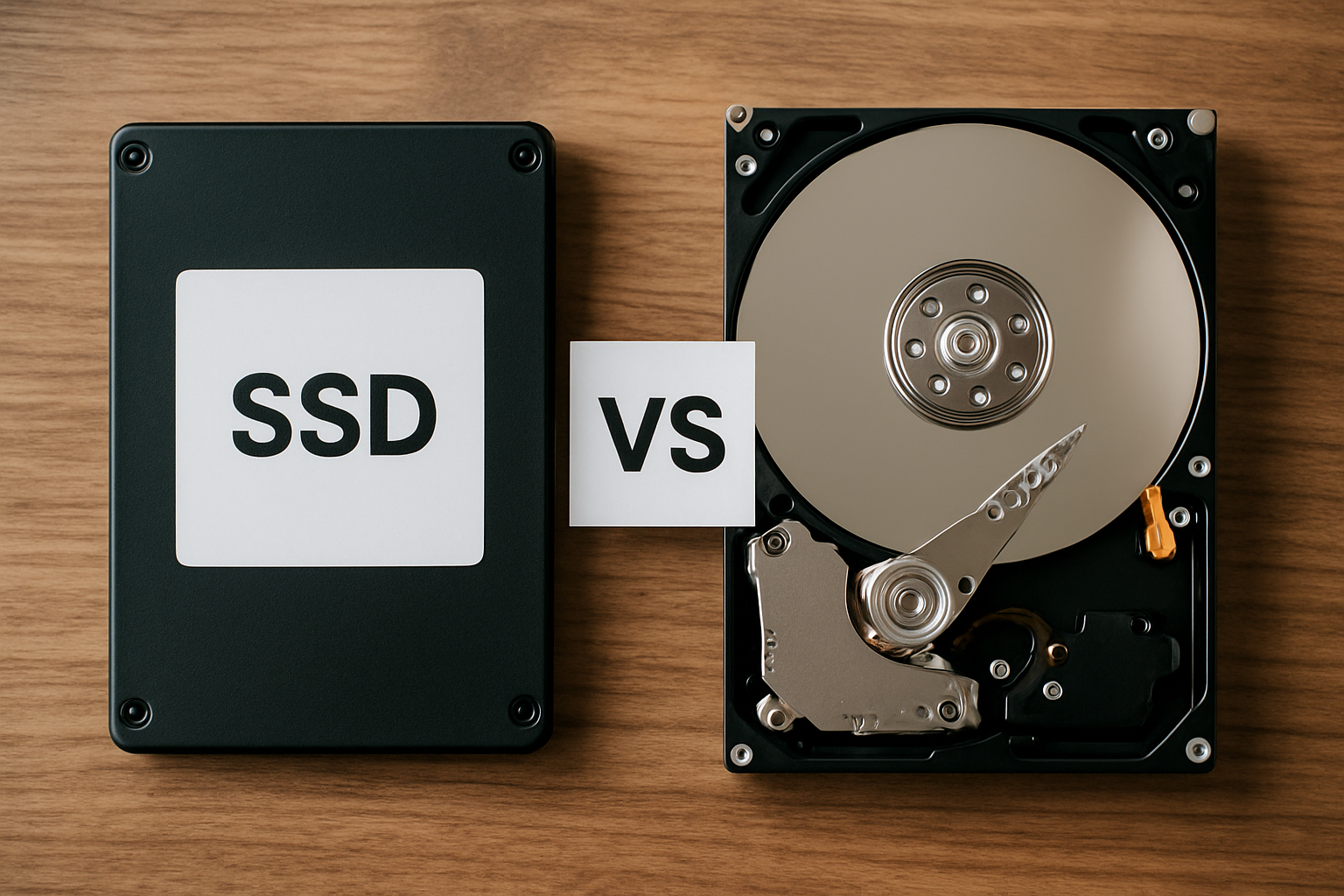
The type of hard drive used can significantly impact speed. Traditional spinning hard drives (HDDs) are slower compared to solid-state drives (SSDs). Upgrading from an HDD to an SSD can lead to substantial improvements in boot times and application loading speeds. Understanding the role of storage technology is crucial when assessing performance issues.
Key Points:
- Recognize the importance of hardware components
- Understand the benefits of upgrading to SSDs
Common Causes of Slow Computer Performance
Understanding the primary reasons behind a slow computer can help you pinpoint issues and resolve them effectively. Common causes include insufficient RAM, background applications, and malware. Each of these factors can significantly impact performance. Insufficient RAM often leads to system slowdowns, especially when running multiple applications. Background applications consume resources even when not actively in use, further straining your system. Malware can cause severe performance issues by consuming resources and disrupting normal operations. Identifying these causes is the first step toward enhancing your computer’s speed.
Insufficient RAM
RAM is crucial for your computer’s ability to handle multiple tasks simultaneously. If your machine frequently runs out of RAM, it may resort to using slower disk space, resulting in lag. Monitoring your RAM usage through the task manager can help identify if this is the issue.
Background Applications
Many programs run in the background, consuming CPU and memory resources. Over time, this can accumulate and significantly affect your computer’s performance. Regularly checking which applications are running can help you close unnecessary ones and free up resources.
Malware and Viruses
Malware can severely impact your computer’s performance by using resources for malicious activities. Running regular scans with trusted security tools can help identify and eliminate these threats, restoring your computer’s performance.
Key Points:
- Insufficient RAM can slow down your computer under heavy load.
- Background applications can consume resources without your knowledge.
💡 Regularly monitor RAM usage to identify bottlenecks.
💡 Limit background applications through startup settings.
💡 Run frequent malware scans to keep your system clean.
Advanced Troubleshooting Techniques
If basic checks do not resolve your computer’s sluggishness, advanced troubleshooting steps can provide deeper insights. Techniques such as checking for hardware issues, running performance diagnostics, and optimizing system settings can be highly effective. Hardware issues, like a failing hard drive, can lead to significant slowdowns, while performance diagnostics can help identify software conflicts. Optimizing system settings, such as adjusting visual effects, can also improve speed dramatically.
Checking for Hardware Issues
Hardware problems, such as overheating or a failing hard drive, can significantly impact performance. Regularly check your device’s temperature and run diagnostics tools to assess the health of your hard drive. If hardware issues are detected, they should be addressed immediately.
Running Performance Diagnostics
Most operating systems offer built-in diagnostic tools that can identify performance bottlenecks. Running these tools can help you uncover issues like disk fragmentation or software conflicts that may be slowing your computer down.
Optimizing System Settings
Adjusting system settings, such as disabling unnecessary visual effects and optimizing power settings, can lead to noticeable improvements. This can free up system resources and enhance overall responsiveness, especially on older machines.
Key Points:
- Hardware failures can often be the root cause of slow performance.
- Optimizing settings can yield immediate improvements in speed.
💡 Run hardware diagnostics to catch potential failures early.
💡 Use built-in performance tools to identify issues.
💡 Optimize visual effects settings for better performance on older hardware.
EXPERT TIPS Pro Advice
Keep your operating system updated.
Regular updates often include performance improvements and security patches, ensuring that your system runs efficiently and is protected against vulnerabilities.
Defragment your hard drive regularly.
Defragmenting helps organize fragmented data on your hard drive, leading to quicker access times and an overall boost in performance, especially for traditional HDDs.
Consider upgrading hardware components.
Upgrading components like RAM or switching to an SSD can provide significant boosts in speed and responsiveness, especially for older machines.
Uninstall unused programs.
Removing unnecessary software can free up disk space and reduce the load on your system, helping to improve performance.
Regularly back up your data.
Backing up data protects against losses due to hardware failure or malware, enabling you to restore your system to a better-performing state.
Frequently Asked Questions
Conclusion
In conclusion, a slow computer can stem from various factors such as inadequate hardware, software issues, and malware. By regularly maintaining your system, monitoring background processes, and considering hardware upgrades, you can enhance performance significantly and extend your computer’s lifespan.
🎯 Key Takeaways:
- Regular maintenance is crucial for optimal performance.
- Background processes can significantly impact speed.
- Upgrading hardware can provide a noticeable speed boost.
- Malware scans are essential for maintaining system health.
Expert Advice: Stay proactive with your computer’s care by scheduling regular maintenance and being aware of performance changes. This vigilance will help you address potential issues before they lead to significant slowdowns.
Take a moment to evaluate your computer’s performance and implement one maintenance task today to improve its speed!




Leave a Reply